Ready to Transform Your Body and Boost Your Health?
In a world saturated with fleeting diet fads, intermittent fasting (IF) stands out as a powerful, evidence-based approach to not only shedding stubborn fat but also profoundly improving your overall body composition and metabolic health. It's not just another restrictive diet; it's a strategic eating pattern that taps into your body's natural healing and fat-burning mechanisms.
For millions grappling with obesity and poor body composition, intermittent fasting offers a refreshing and sustainable path forward. By strategically cycling between periods of eating and fasting, you can unlock a cascade of benefits, from enhanced fat oxidation and improved insulin sensitivity to cellular repair and increased energy. This article will guide you through the science, practical methods, and synergistic strategies to harness IF for a leaner, healthier you.
Understanding Intermittent Fasting: More Than Just Skipping Meals
Intermittent fasting (IF) is not a diet in the traditional sense, but rather an eating pattern that cycles between periods of eating and voluntary fasting. It doesn't restrict *what* you eat, but *when* you eat. This distinction is crucial because it allows for flexibility and sustainability, making it a powerful tool for long-term fat loss and improving body composition.
The core principle behind IF is to give your body a break from constant digestion. When you eat, your body processes food, primarily relying on glucose for energy, and typically stores excess energy as fat. During a fasting period, especially after your body has used up its readily available glucose stores, it shifts to burning stored fat for energy – a metabolic state known as ketosis. This metabolic switch is fundamental to IF's effectiveness for weight management and body recomposition.
Historically, humans have practiced forms of fasting for centuries, whether for spiritual reasons or simply due to scarcity of food. Our bodies are inherently equipped to handle periods without food, and in fact, thrive on the metabolic adaptations that occur during fasting. Modern lifestyles, however, often involve frequent eating, leading to a constant influx of calories and elevated insulin levels, which can contribute to insulin resistance, weight gain, and ultimately, obesity and poor body composition.
There are several popular methods of intermittent fasting, each with its own schedule and approach. The most common include the 16/8 method, where you fast for 16 hours and eat all your meals within an 8-hour window; the 5:2 method, which involves eating normally for five days and restricting calories significantly on two non-consecutive days; and Eat-Stop-Eat, which incorporates one or two 24-hour fasts per week. Choosing the right method often depends on individual preferences, lifestyle, and health goals, highlighting IF's adaptability.
Beyond fat loss, IF has garnered attention for its potential to improve various markers of health, including blood sugar control, inflammation, and even brain health. By promoting cellular repair processes like autophagy, where cells clean out damaged components, IF offers a holistic approach to wellness that extends beyond mere caloric restriction. This makes it an attractive strategy for anyone looking to optimize their health and achieve a more balanced body composition.
💡 Key Takeaway
Intermittent fasting is a flexible eating pattern, not a diet, that strategically cycles between eating and fasting. This approach encourages the body to switch from burning glucose to burning stored fat, offering a sustainable path to fat loss, improved metabolic health, and enhanced cellular repair, especially beneficial for those targeting obesity and poor body composition.
The Science Behind Intermittent Fasting for Fat Loss and Body Recomposition
The effectiveness of intermittent fasting for fat loss and body composition isn't just anecdotal; it's backed by robust scientific mechanisms that influence metabolism, hormones, and cellular function.
One of the primary drivers of IF's success is its impact on insulin sensitivity. Insulin, a hormone released when you eat, is crucial for regulating blood sugar. However, consistently high insulin levels, often seen in individuals with frequent eating patterns or those with obesity, can lead to insulin resistance. This makes it harder for the body to burn fat and easier to store it. By extending fasting periods, IF naturally lowers insulin levels, improving insulin sensitivity and allowing your body to more readily access and burn stored fat for energy.
Furthermore, intermittent fasting has been shown to increase levels of human growth hormone (HGH). HGH plays a vital role in fat loss and muscle preservation. Higher HGH levels can enhance fat burning and help maintain lean muscle mass during weight loss, which is critical for improving body composition. This is particularly important because losing muscle along with fat can negatively impact metabolism and long-term weight management. IF helps ensure that the weight you lose is primarily fat, not precious muscle.
Another powerful mechanism is autophagy, a cellular "self-cleaning" process. During fasting, your cells initiate autophagy, breaking down and recycling old, damaged, or dysfunctional components. This cellular renewal process is essential for maintaining cellular health, combating aging, and preventing disease. For individuals dealing with obesity and related metabolic issues, enhanced autophagy can contribute to improved cellular function and overall metabolic efficiency, supporting the journey towards a healthier body composition.
The metabolic switch from glucose to fat utilization (ketosis) during fasting periods is also key. When glucose stores are depleted, your body turns to fat as its primary fuel source. This not only leads to direct fat burning but also produces ketone bodies, which can provide a stable energy source for the brain and muscles, often leading to increased mental clarity and sustained energy without the 'crashes' associated with constant glucose fluctuations.
Finally, intermittent fasting can influence hunger hormones like ghrelin (the "hunger hormone") and leptin (the "satiety hormone"). Over time, many people report a reduction in cravings and a greater sense of control over their appetite, making it easier to adhere to healthy eating patterns and avoid overeating during their feeding windows. This hormonal regulation contributes significantly to sustainable fat loss and the maintenance of a healthy body composition, moving beyond the constant battle against hunger that often derails traditional diets.
Core Benefits of Intermittent Fasting for a Healthier You
Beyond just weight loss, intermittent fasting offers a wide array of health benefits that contribute to overall well-being and a superior body composition.
Significant Fat Loss & Weight Management
By promoting the metabolic switch to fat burning and enhancing hormonal profiles (like lower insulin and higher HGH), IF effectively targets stored body fat. This leads to sustainable weight loss, particularly around the midsection, which is often associated with metabolic risk factors. It helps reduce overall body fat percentage, which is a key component of improving body composition.
Improved Metabolic Health & Insulin Sensitivity
Fasting periods give your pancreas a break, leading to lower and more stable insulin levels. This improved insulin sensitivity is crucial for preventing and managing type 2 diabetes, reducing the risk of metabolic syndrome, and making your body more efficient at utilizing nutrients. Enhanced metabolic flexibility means your body can easily switch between burning carbs and fat.
Enhanced Cellular Repair & Autophagy
Autophagy, the process where your cells clean out damaged components and regenerate newer, healthier cells, is significantly boosted during fasting. This cellular renewal is vital for anti-aging, disease prevention, and maintaining tissue health. It contributes to overall cellular efficiency and can positively impact various bodily systems.
Reduced Inflammation & Oxidative Stress
Chronic inflammation and oxidative stress are underlying factors in many chronic diseases, including obesity. Intermittent fasting has been shown to reduce markers of inflammation and oxidative stress in the body. This protective effect can lead to better overall health, reduced pain, and improved recovery from exercise.
Boosted Brain Health & Cognitive Function
Fasting can stimulate the production of brain-derived neurotrophic factor (BDNF), a protein that promotes the growth of new brain cells and protects existing ones. Many individuals report improved mental clarity, focus, and reduced brain fog during fasting periods, suggesting benefits for cognitive function and neurological health.
Simplicity, Discipline & Sustainability
Unlike complex diets with endless rules, IF simplifies eating by focusing on timing. This can reduce decision fatigue and make healthy eating more manageable in the long run. It also fosters a greater sense of discipline and awareness around hunger cues, making it a sustainable lifestyle change rather than a temporary fix for fat loss and body composition goals.
Practical Approaches to Intermittent Fasting: Finding Your Rhythm
Embarking on an intermittent fasting journey can feel daunting, but with various methods available, you can find an approach that seamlessly integrates into your lifestyle. The key is consistency and listening to your body.
The 16/8 Method is perhaps the most popular and easiest to adopt. It involves fasting for 16 hours each day and confining your eating to an 8-hour window. For example, you might skip breakfast, have your first meal at noon, and finish your last meal by 8 PM. This method is highly flexible, allowing you to choose an eating window that suits your daily schedule, making it a great starting point for beginners aiming for fat loss and improved body composition.
Another common approach is the 5:2 Method, also known as the "Fast Diet." With this method, you eat normally for five days of the week and then consume only 500-600 calories on two non-consecutive days. This approach can be effective for those who prefer longer eating periods but want to incorporate the benefits of periodic calorie restriction. It requires careful planning on fast days to ensure adequate nutrition within the calorie limit.
The Eat-Stop-Eat Method involves one or two 24-hour fasts per week. For instance, you might finish dinner on Monday, then not eat again until dinner on Tuesday. This method is more intense and generally recommended for those who are already comfortable with shorter fasts. It can be a powerful tool for accelerating fat loss and metabolic adaptations, but requires careful monitoring and often benefits from medical supervision, especially for individuals with significant obesity or other health conditions.
For beginners, starting gradually is paramount. Begin with shorter fasting periods, perhaps 12 hours, and slowly extend as your body adapts. Hydration is critical during fasting windows; drink plenty of water, black coffee, and unsweetened tea. Focus on nutrient-dense, whole foods during your eating windows to ensure you're getting all essential vitamins, minerals, and macronutrients. Prioritizing protein is especially important for preserving muscle mass while losing fat, which directly contributes to a better body composition.
Remember, intermittent fasting is not a license to overeat or consume unhealthy foods during your eating window. The quality of your food choices remains paramount for achieving sustainable fat loss and improving body composition. Combining IF with a balanced, whole-food diet and regular physical activity will yield the best results. For more tailored strategies to prevent and manage conditions like obesity and poor body composition, consider exploring resources on prevention tips that complement fasting principles.
Common Intermittent Fasting Mistakes to Avoid
While intermittent fasting offers incredible benefits, certain pitfalls can hinder your progress or even lead to negative experiences. Being aware of these common mistakes can help you navigate your journey more effectively.
Overeating During Eating Windows
One of the most common mistakes is compensating for fasting by overeating or bingeing on unhealthy foods during the eating period. While IF is not about strict calorie counting, consuming excessive calories or nutrient-poor foods will negate the fat loss benefits. Focus on balanced, whole foods to nourish your body.
Insufficient Nutrient Intake
Fasting periods can be intense, so it's vital to ensure you're getting adequate protein, healthy fats, fiber, vitamins, and minerals during your eating window. Neglecting nutrient density can lead to deficiencies, low energy, and muscle loss, which is counterproductive to improving body composition.
Poor Sleep & Stress Management
Lack of sleep and high stress levels can disrupt hormones like cortisol and ghrelin, making fasting more challenging and hindering fat loss. Prioritize 7-9 hours of quality sleep and incorporate stress-reducing practices like meditation or light exercise to support your IF journey.
Ignoring Hunger & Energy Cues
While some hunger is normal, severe hunger, dizziness, or extreme fatigue indicate that you might be pushing too hard or that IF isn't suitable for you at that moment. Listen to your body; it's okay to adjust your fasting window or break your fast if needed. Sustainable progress is more important than rigid adherence.
Starting Too Aggressively
Jumping straight into extended fasts like 24-hour or OMAD (One Meal A Day) without prior adaptation can be overwhelming. Start gradually with shorter windows, like 12/12 or 14/10, and slowly extend as your body adjusts. This gentle progression helps minimize side effects and improves adherence.
Lack of Hydration & Electrolytes
During fasting, you may lose more water and electrolytes. Dehydration can lead to headaches, fatigue, and muscle cramps. Ensure you're drinking plenty of plain water and consider adding a pinch of sea salt or an electrolyte supplement (non-caloric) during longer fasts to maintain balance.
Optimizing Body Composition: Beyond Just Fasting
While intermittent fasting is a powerful tool for fat loss, achieving optimal body composition—a healthy ratio of lean muscle to fat—requires a multifaceted approach. Integrating strategic nutrition, consistent exercise, and targeted supplementation can significantly amplify your results.
Protein intake is paramount for body recomposition. Adequate protein not only supports muscle repair and growth, especially when combined with strength training, but also promotes satiety, helping to manage appetite during your eating windows. Aim for high-quality protein sources like lean meats, poultry, fish, eggs, and plant-based options like legumes and tofu. This focus on protein helps preserve valuable muscle mass, which is metabolically active and crucial for a healthy metabolism.
Strength training is non-negotiable for improving body composition. While cardio is excellent for cardiovascular health and calorie expenditure, resistance training is what builds and maintains muscle. More muscle mass means a higher resting metabolic rate, meaning your body burns more calories even at rest. Incorporate a consistent strength training routine 2-4 times per week, focusing on compound movements that work multiple muscle groups.
Beyond macros and exercise, specific micronutrients and compounds can play a supportive role. These include ingredients that enhance metabolism, improve insulin sensitivity, reduce inflammation, and support cellular health. For instance, certain botanicals and minerals are known to aid glucose metabolism and fat oxidation, which are critical processes for those aiming to overcome obesity and poor body composition.
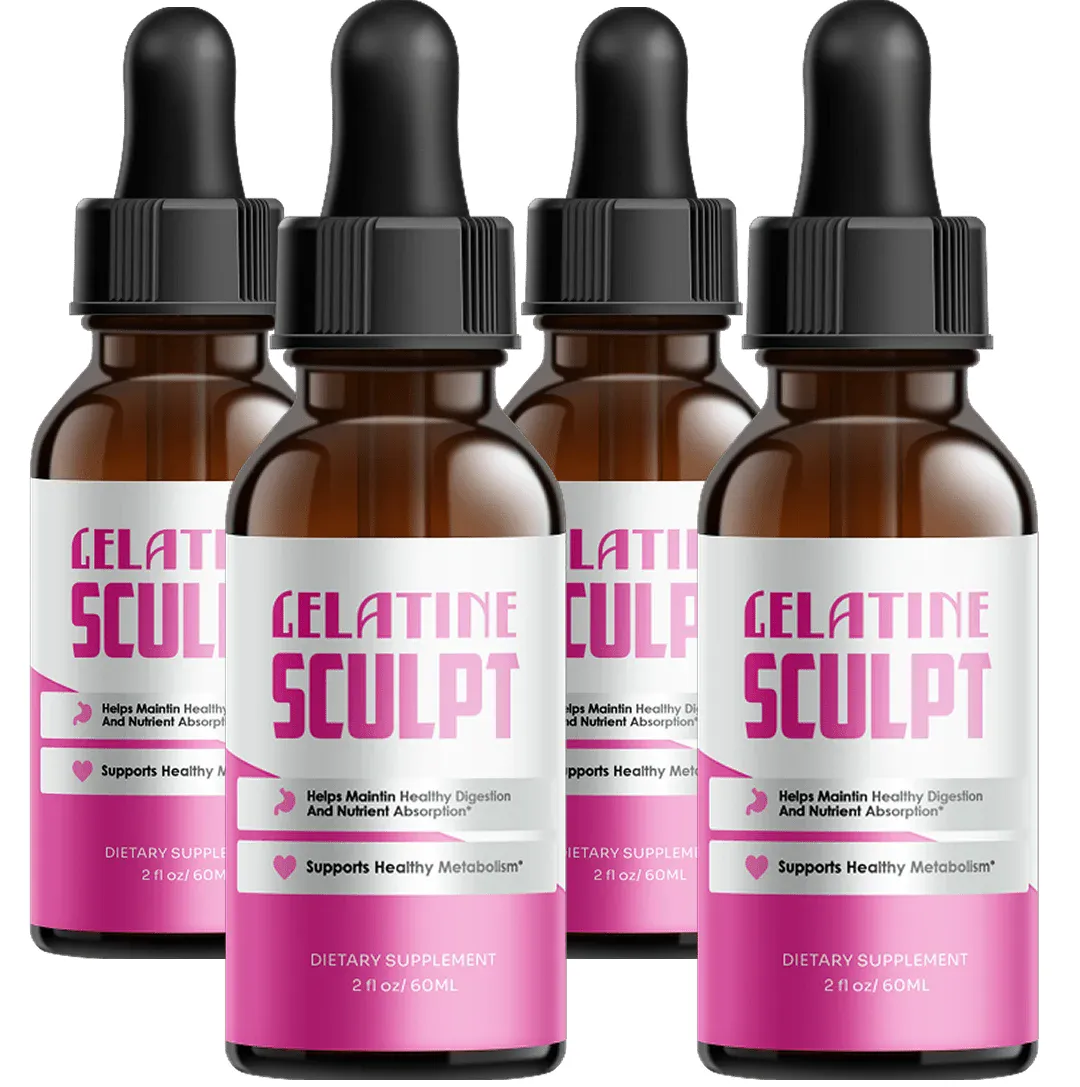
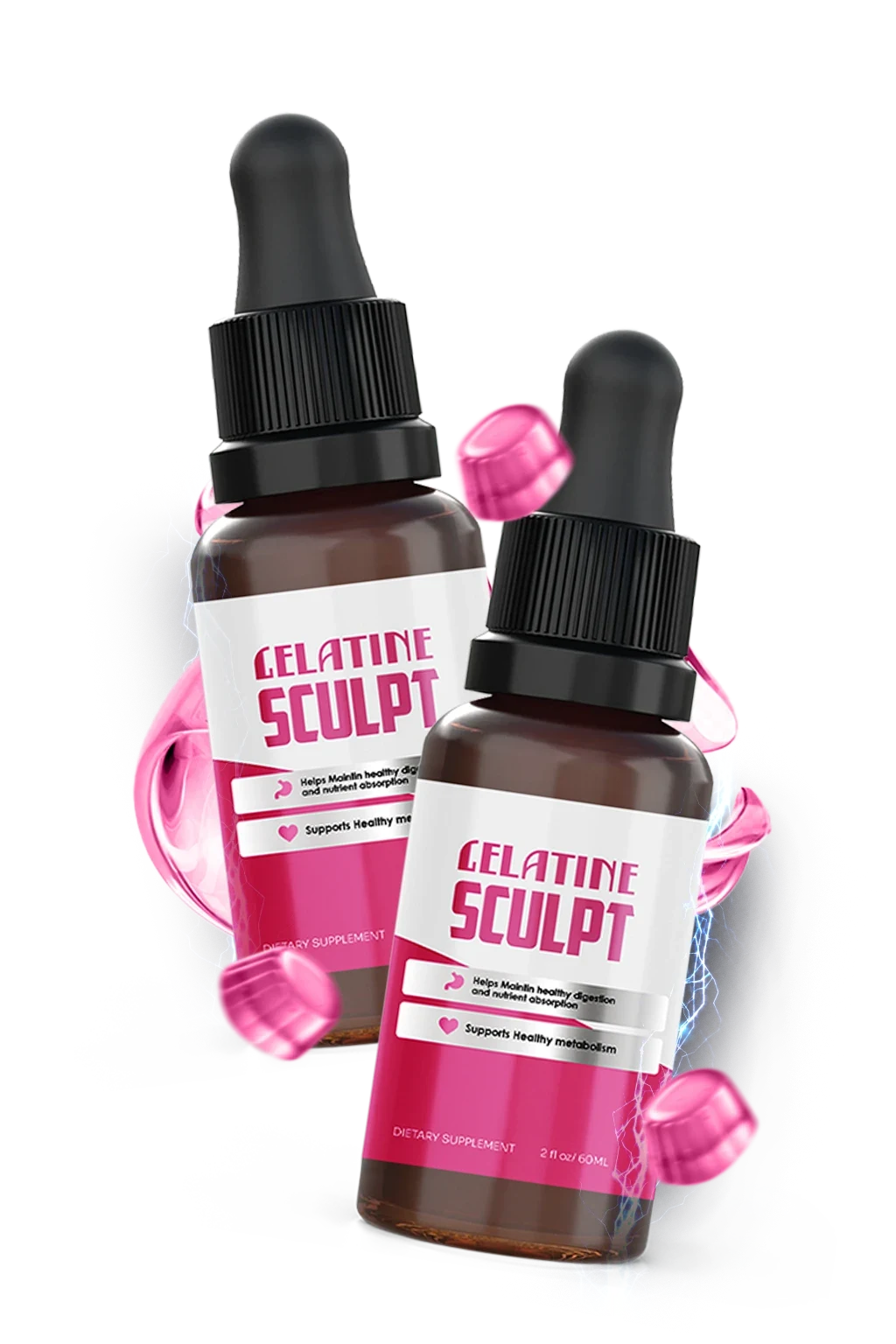
This is where targeted supplements like Gelatine Sculpt can offer a synergistic advantage. Formulated with key ingredients, it is designed to complement your intermittent fasting efforts and accelerate your body composition goals. It's not a magic pill, but a supportive tool that provides your body with beneficial compounds to optimize its natural processes. Let's explore some of the powerful ingredients found in Gelatine Sculpt and how they contribute to your success.
Key Ingredients in Gelatine Sculpt: Supporting Your Journey
Gelatine Sculpt is crafted with a blend of natural ingredients, each selected for its scientifically-backed role in supporting metabolic health, fat loss, and body composition, making it an ideal companion to your intermittent fasting regimen.

Hydrolyzed Collagen
Role: Supports lean muscle mass, joint health, and satiety. Collagen is the most abundant protein in the body, crucial for connective tissues. In the context of fat loss and body composition, it aids in muscle preservation and can help you feel fuller, which is beneficial during fasting. It also supports skin elasticity, which can be a concern with significant weight loss.
500mg - 2000mg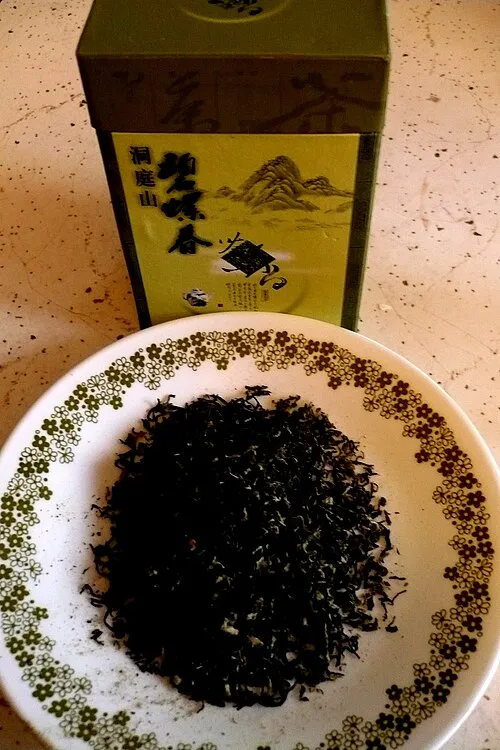
Green Tea Extract (EGCG)
Role: Boosts metabolism and fat oxidation. Rich in catechins, particularly epigallocatechin gallate (EGCG), green tea extract is a potent thermogenic. It helps increase energy expenditure and fat burning, especially belly fat. Its antioxidant properties also contribute to overall metabolic health and protection against oxidative stress, supporting a healthier body composition.
250mg - 500mg
Berberine HCl
Role: Improves insulin sensitivity and regulates blood sugar. Berberine is a powerful alkaloid known for its ability to activate AMPK, a metabolic master switch. This helps improve glucose uptake into cells, reduce glucose production in the liver, and enhance insulin sensitivity, making your body more efficient at using energy and storing less fat, particularly beneficial for those with poor body composition.
500mg - 1500mg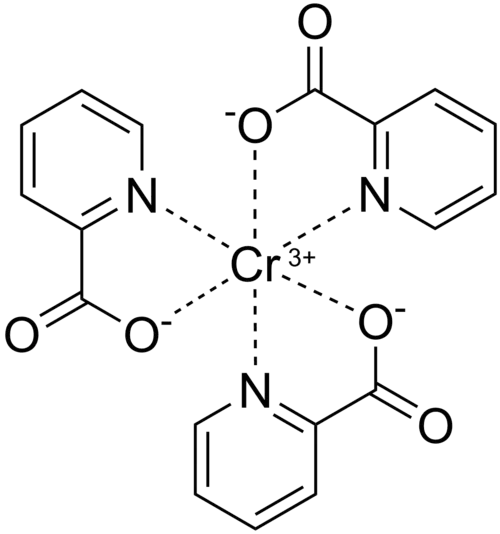
Chromium Picolinate
Role: Enhances insulin action and reduces sugar cravings. Chromium is an essential trace mineral that plays a key role in carbohydrate and fat metabolism. It helps insulin work more effectively, leading to better blood sugar control and reduced cravings for sugary foods. This can be particularly helpful during intermittent fasting to manage hunger and stick to healthy eating patterns.
200mcg - 1000mcg
Maca Root
Role: Supports energy, mood, and hormonal balance. While not directly a fat burner, Maca Root is an adaptogen that helps the body cope with stress and can boost energy levels and endurance. Maintaining balanced hormones and good energy is crucial for consistent adherence to an IF regimen and supporting overall well-being during a fat loss journey.
500mg - 1500mg
Turmeric (Curcumin)
Role: Powerful anti-inflammatory and antioxidant. Chronic inflammation can hinder fat loss and contribute to metabolic dysfunction. Curcumin, the active compound in turmeric, is renowned for its anti-inflammatory properties. By reducing systemic inflammation, it supports metabolic health and can create a more favorable environment for fat loss and improving body composition.
500mg - 1000mg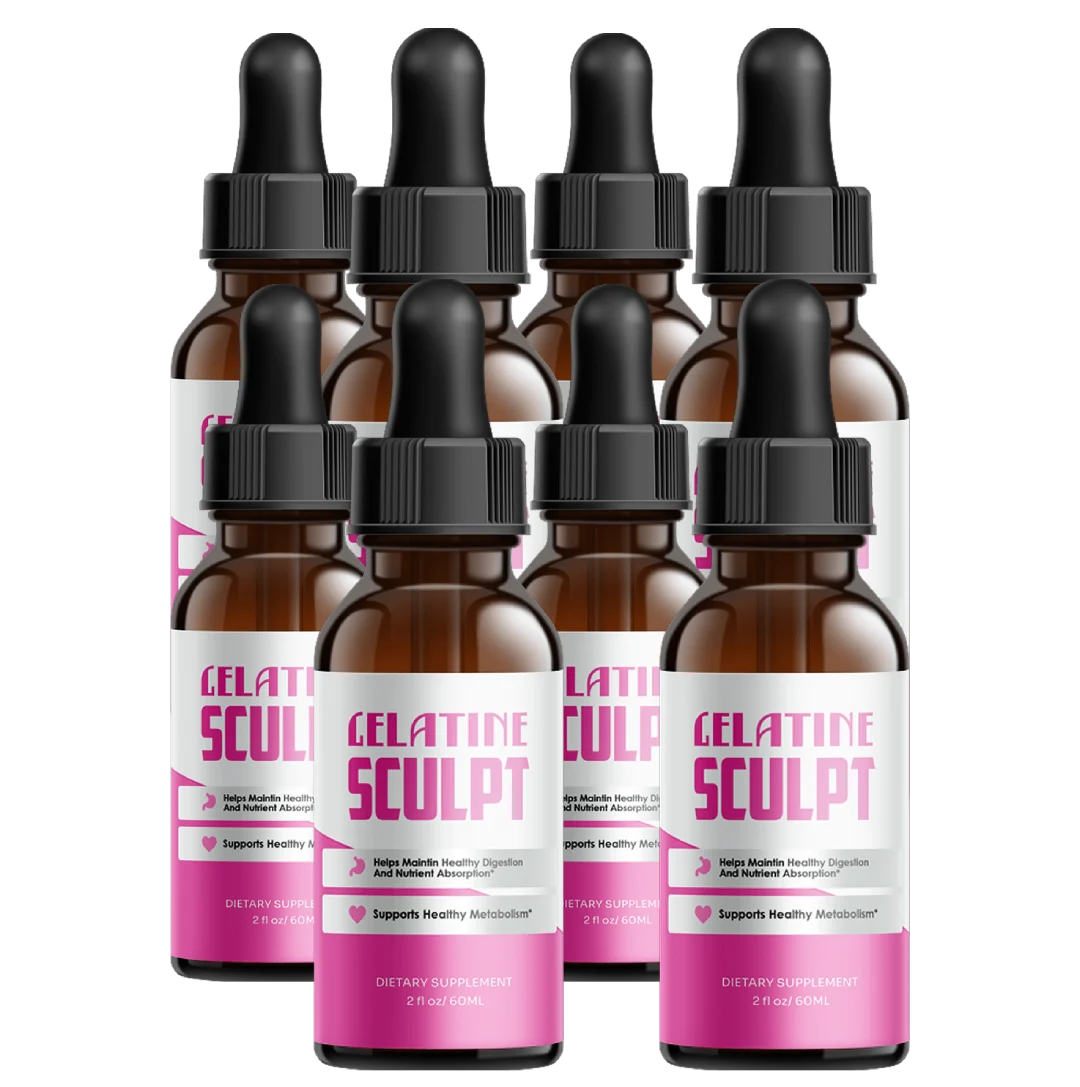
Accelerate Your Fat Loss & Body Composition Goals with Gelatine Sculpt
You've learned the science and benefits of intermittent fasting for transforming your body. Now, imagine enhancing those efforts with a natural supplement designed to support your metabolism, reduce cravings, and optimize your body composition.
- ✓ Supports Metabolic Health & Fat Burning
- ✓ Enhances Insulin Sensitivity & Blood Sugar Control
- ✓ Helps Reduce Cravings & Boost Satiety
- ✓ Preserves Lean Muscle Mass During Fasting
- ✓ Formulated with Clinically Studied Natural Ingredients



Real Results from Gelatine Sculpt Users
"I've been doing 16/8 intermittent fasting for months, but Gelatine Sculpt truly took my results to the next level. My cravings are almost non-existent, and I've finally started seeing definition in my abs. It's an essential part of my routine now!"
"As someone battling obesity, I was skeptical. But combining IF with Gelatine Sculpt has been a game changer. I feel more energetic, my blood sugar levels are more stable, and I'm steadily losing fat without feeling deprived. Highly recommend!"
"Gelatine Sculpt helped me break through a plateau. The collagen definitely makes a difference in my skin and joints, and I've noticed a significant improvement in my body composition – more muscle tone and less stubborn fat. Fantastic product!"
Integrating Gelatine Sculpt into Your Fasting Routine
Incorporating Gelatine Sculpt into your intermittent fasting regimen is straightforward and designed to maximize the synergistic benefits of both approaches. The key is understanding the optimal timing and how it complements your fasting goals.
For most intermittent fasting protocols, such as the 16/8 method, it is generally recommended to take Gelatine Sculpt during your eating window. This ensures that your body is in a fed state when processing the nutrients, preventing any potential interruption of your fast. Taking two capsules with your first meal or splitting them between your first and last meals of the day can be an effective strategy. This timing allows the active ingredients to support metabolic processes, nutrient absorption, and satiety throughout your eating period and into your subsequent fast.
For example, if you follow a 16/8 schedule with an eating window from 1 PM to 9 PM, you could take one capsule with your lunch at 1 PM and another with your dinner around 7 PM. This ensures a steady supply of ingredients like Berberine and Chromium Picolinate to aid in blood sugar management and insulin sensitivity, which are crucial for effective fat loss and improving body composition. The Hydrolyzed Collagen will support muscle maintenance and joint health as you pursue your fitness goals.
Gelatine Sculpt is designed to be a supportive aid, not a replacement for a balanced diet during your eating window. Continue to prioritize whole, unprocessed foods, lean proteins, healthy fats, and plenty of fiber. The supplement works best when combined with a holistic approach to nutrition and lifestyle. For those interested in the scientific validation behind the ingredients and their efficacy, you can find more detailed information on Gelatine Sculpt's clinical evidence and research.
Remember to stay well-hydrated throughout your fasting and eating windows. While Gelatine Sculpt is formulated to be gentle, always listen to your body and consult with a healthcare professional if you have any concerns or are taking other medications. Consistent use, combined with your fasting efforts and healthy lifestyle choices, will pave the way for sustainable fat loss and significant improvements in your body composition.
Who Can Benefit from Intermittent Fasting & Important Considerations
Intermittent fasting, especially when combined with supportive supplements like Gelatine Sculpt, holds immense potential for a wide range of individuals, but it's crucial to understand who benefits most and when caution is advised.
Individuals with Obesity and Poor Body Composition: This group stands to gain significantly. IF's ability to enhance fat burning, improve insulin sensitivity, and regulate hunger hormones can be a powerful strategy for reducing excess body fat and increasing lean muscle mass. It offers a structured approach to eating that can help break cycles of overeating and metabolic dysfunction often associated with obesity.
Those Struggling with Weight Loss Plateaus: If you've hit a wall in your weight loss journey, IF can provide a metabolic shock that helps to kickstart progress again. The shift in metabolic pathways can help overcome adaptive thermogenesis, a common reason for plateaus.
People Seeking Metabolic Health Improvements: Beyond fat loss, IF can improve markers like blood sugar levels, insulin response, cholesterol, and inflammation. These benefits are valuable for anyone looking to optimize their long-term health and reduce the risk of chronic diseases.
Individuals Looking for a Sustainable Eating Pattern: Many find IF easier to adhere to than traditional calorie-restricted diets because it focuses on timing rather than constant food restrictions. This simplicity can lead to greater long-term success and consistency.
However, intermittent fasting is not for everyone. Certain individuals should exercise extreme caution or avoid IF altogether. This includes:
- Pregnant or Breastfeeding Women: Nutritional needs are elevated during these periods, and fasting could pose risks to both mother and baby.
- Individuals with a History of Eating Disorders: IF can potentially trigger or exacerbate disordered eating patterns.
- People with Type 1 Diabetes or Those on Insulin/Certain Medications: Fasting can significantly impact blood sugar levels and medication efficacy, requiring strict medical supervision.
- Children and Adolescents: Their growing bodies have different nutritional requirements that may not be met with fasting.
- Individuals with Underlying Medical Conditions: If you have chronic illnesses, kidney disease, liver disease, or take multiple medications, always consult your doctor before starting IF.
Before embarking on any new dietary regimen, especially one as impactful as intermittent fasting, it is always recommended to consult with a healthcare professional. Your doctor or a registered dietitian can provide personalized advice based on your health status, medical history, and specific goals. Understanding the causes of obesity and poor body composition can also help tailor your approach for maximum effectiveness and safety. With proper guidance, intermittent fasting can be a transformative tool for achieving lasting fat loss and optimal body composition.
Frequently Asked Questions
What exactly is intermittent fasting, and how does it differ from traditional diets?
+Intermittent fasting (IF) is an eating pattern that cycles between periods of eating and voluntary fasting. Unlike traditional diets that focus on *what* to eat, IF primarily dictates *when* to eat. It's not about calorie restriction in the conventional sense, but rather about extending periods where your body isn't digesting food, which can trigger various metabolic benefits. Common methods include the 16/8 method (fasting for 16 hours, eating within an 8-hour window) or the 5:2 method (eating normally for five days and significantly restricting calories on two non-consecutive days). This approach shifts your body's energy source from glucose to stored fat, promoting fat loss and improved metabolic flexibility.
Is intermittent fasting safe for everyone, especially those with obesity or poor body composition?
+While intermittent fasting can be highly beneficial for many individuals, particularly those struggling with obesity and poor body composition, it is not suitable for everyone. Pregnant or breastfeeding women, individuals with a history of eating disorders, those with certain medical conditions like diabetes (especially if on insulin or specific medications), or people with chronic illnesses should exercise extreme caution or avoid IF altogether. It's crucial to consult with a healthcare professional, such as your physician or a registered dietitian, before starting any intermittent fasting regimen, particularly if you have underlying health concerns or are taking medications. They can help determine if IF is appropriate for your specific health profile and guide you on a safe and effective approach.
How long does it typically take to see results from intermittent fasting for fat loss and body composition?
+The timeline for seeing results from intermittent fasting can vary significantly among individuals, depending on factors such as starting body weight, adherence to the fasting schedule, dietary choices during eating windows, activity levels, and overall metabolic health. Some individuals may notice initial changes in energy levels and reduced bloating within a few days to a week. Tangible fat loss and improvements in body composition, such as reduced waist circumference and increased muscle definition (when combined with strength training), typically become evident within 4-12 weeks of consistent practice. For optimal, sustainable results, patience and a holistic approach that includes nutrient-dense eating and regular physical activity are key.
Can I drink anything during my fasting window without breaking the fast?
+During your fasting window, the goal is to avoid consuming anything that would significantly raise your insulin levels or provide calories, which would break the fast. Generally, plain water, black coffee, and unsweetened tea are acceptable. These beverages contain negligible calories and do not typically interfere with the metabolic benefits of fasting, such as autophagy or fat burning. Avoid adding milk, cream, sugar, artificial sweeteners, or any caloric beverages like juice or soda. Some people also allow small amounts of apple cider vinegar or lemon water, as these have minimal caloric impact. The key is to keep it simple and non-caloric to maximize the benefits of the fasting state.
How does Gelatine Sculpt specifically support intermittent fasting and body composition goals?
+Gelatine Sculpt is formulated with a blend of natural ingredients designed to complement intermittent fasting by supporting metabolic health, fat burning, and muscle preservation. Ingredients like Hydrolyzed Collagen can help maintain muscle mass, which is crucial for body composition, and support satiety. Green Tea Extract and Berberine are known for their roles in boosting metabolism and improving insulin sensitivity, making your fasting periods more effective. Chromium Picolinate helps regulate blood sugar, reducing cravings that can sabotage fasting efforts. By providing targeted nutritional support, Gelatine Sculpt can help optimize your body's response to fasting, enhance fat loss, preserve lean muscle, and improve overall body composition, making your journey smoother and more efficient.
What is the recommended dosage for Gelatine Sculpt, and when should I take it during an intermittent fasting schedule?
+The recommended dosage for Gelatine Sculpt is typically two capsules per day. For individuals practicing intermittent fasting, the optimal timing for taking Gelatine Sculpt is usually during your eating window. This ensures that the ingredients are absorbed and utilized when your body is in a fed state, allowing them to support nutrient partitioning, metabolic function, and muscle recovery effectively. Taking it with a meal can also help prevent any potential digestive discomfort. Always refer to the specific instructions on the Gelatine Sculpt product label for the most accurate and up-to-date dosage and usage recommendations, and if you have any questions, consult with a healthcare professional.
Related Articles