Feeling frustrated by persistent weight gain or a lack of muscle tone, despite your best efforts?
You're not alone. In today's world, understanding the nuances of our bodies, especially concerning weight and composition, has become more critical than ever. It's a journey often complicated by conflicting information and quick-fix promises that rarely deliver sustainable results.
This comprehensive guide delves into the multifaceted causes of obesity and poor body composition, offering clarity and actionable insights. We'll explore everything from the hidden impacts of your gut microbiome to the powerful influence of hormones, helping you understand that achieving a healthier body is about more than just calories in versus calories out. Discover how a holistic approach, including targeted nutritional support and lifestyle adjustments, can pave the way for real, lasting change.
Understanding Obesity and Poor Body Composition
Before we dive into the causes, it's crucial to distinguish between obesity and poor body composition. While often used interchangeably, they represent distinct aspects of physical health with significant implications.
Obesity is a medical condition characterized by excessive body fat accumulation to the extent that it may have an adverse effect on health. It is typically diagnosed using the Body Mass Index (BMI), a measure calculated from a person's weight and height. A BMI of 30 or higher is generally classified as obese. However, BMI has limitations as it doesn't differentiate between fat and muscle mass, meaning a very muscular individual could have a high BMI without being overfat.
Poor body composition, on the other hand, refers to an unhealthy ratio of fat mass to lean muscle mass. An individual can have a "normal" BMI yet still have a high percentage of body fat and low muscle mass, a condition often termed "skinny fat." This scenario, while not always meeting the clinical definition of obesity, still carries significant health risks, including metabolic dysfunction, reduced strength, and an increased risk of chronic diseases. It underscores that optimal health isn't just about the number on the scale but the quality of what makes up that weight.
Both obesity and poor body composition are global health challenges, contributing to a host of chronic diseases such as type 2 diabetes, heart disease, certain cancers, and musculoskeletal problems. Understanding their root causes is the first step toward effective prevention and management strategies.
💡 Key Takeaway
Obesity is defined by excessive body fat, often indicated by BMI. Poor body composition signifies an unhealthy fat-to-muscle ratio, regardless of overall weight. Both are critical health concerns requiring a nuanced understanding of their underlying causes.
The Multifaceted Causes of Obesity and Weight Gain
The rise in obesity rates isn't attributable to a single factor but rather a complex interplay of genetic, environmental, lifestyle, and physiological elements. Let's explore these causes in detail.
Genetic Predisposition
While often overstated, genetics do play a role. Our genes can influence how our bodies store fat, regulate appetite, and expend energy. Certain genetic variations can increase an individual's susceptibility to weight gain, making them more prone to obesity in environments that promote it. However, genetics are rarely the sole determinant; they often load the gun, but lifestyle pulls the trigger.
Dietary Habits and Modern Food Environment
The ubiquity of highly processed, calorie-dense, and nutrient-poor foods is a major driver. These foods are often high in refined sugars, unhealthy fats, and artificial ingredients, which can disrupt satiety signals, lead to overconsumption, and promote inflammation. Portion sizes have also dramatically increased, contributing to an overall surplus of calories. The availability and affordability of such foods make healthy eating a challenge for many.
Sedentary Lifestyles
Technological advancements and modern work environments have significantly reduced physical activity levels. Many jobs are desk-bound, and leisure time is often spent in front of screens. A lack of regular exercise means fewer calories are burned, and muscle mass (which boosts metabolism) is not adequately maintained or built. This imbalance between caloric intake and expenditure is a fundamental contributor to weight gain.
Hormonal Imbalances
Hormones play a critical role in regulating appetite, metabolism, and fat storage. Imbalances in hormones like insulin, leptin, ghrelin, cortisol, and thyroid hormones can profoundly impact weight. For instance, insulin resistance can lead to increased fat storage, while chronic stress elevates cortisol, promoting abdominal fat accumulation. Women often experience hormonal shifts during menopause that can lead to weight gain.
Sleep Deprivation
Insufficient or poor-quality sleep disrupts the delicate balance of appetite-regulating hormones. Lack of sleep can increase ghrelin (the hunger hormone) and decrease leptin (the satiety hormone), leading to increased hunger and cravings for high-calorie foods. It also impairs glucose metabolism and insulin sensitivity, further contributing to weight gain and metabolic dysfunction.
Chronic Stress
Beyond hormonal effects, chronic stress can lead to emotional eating as a coping mechanism. The body's "fight or flight" response, when constantly activated, can interfere with normal digestive processes and nutrient absorption, contributing to a cycle of poor eating habits and fat storage. Moreover, stress often leads to less motivation for exercise and healthy meal preparation.
Gut Microbiome Imbalance
Emerging research highlights the significant role of the gut microbiota in weight management. An imbalanced gut (dysbiosis) can affect how the body extracts energy from food, influences appetite-regulating hormones, and contributes to systemic inflammation, all of which can promote weight gain and make fat loss more challenging. A diverse and healthy gut microbiome is increasingly recognized as crucial for metabolic health.
Medications and Medical Conditions
Certain medications, such as some antidepressants, corticosteroids, and medications for diabetes or hypertension, can cause weight gain as a side effect. Additionally, underlying medical conditions like hypothyroidism, Polycystic Ovary Syndrome (PCOS), and Cushing's syndrome can directly contribute to obesity or make weight loss extremely difficult. It's important to consult with a healthcare provider to rule out these factors.
Environmental Toxins (Obesogens)
A growing area of research focuses on "obesogens"—chemical compounds found in plastics, pesticides, and other common products that can disrupt hormonal systems and promote fat storage, even at low doses. While their full impact is still being studied, reducing exposure to these endocrine-disrupting chemicals is a consideration for overall health and weight management.
Beyond the Scale: The Impact of Poor Body Composition
Even if your BMI is within a "normal" range, an unfavorable fat-to-muscle ratio can pose significant health risks. This phenomenon, often termed "normal weight obesity" or "skinny fat," highlights that health is not merely about weight, but about what that weight is made of.
A high body fat percentage, especially visceral fat (fat stored around organs), combined with low muscle mass, is associated with a range of health issues. Muscle tissue is metabolically active, burning more calories at rest than fat tissue. Therefore, having less muscle can lead to a slower metabolism, making weight management more difficult over time. Furthermore, low muscle mass can contribute to reduced strength, mobility issues, and an increased risk of falls, particularly as we age.
The health consequences of poor body composition mirror many of those associated with obesity, including an increased risk of insulin resistance, type 2 diabetes, cardiovascular disease, hypertension, and chronic inflammation. It emphasizes the importance of focusing on body recomposition—reducing fat while building muscle—rather than solely chasing a lower number on the scale. For strategies on improving body composition, you might find our article on collagen supplements for weight loss particularly insightful, as collagen supports lean mass.
💡 Key Takeaway
Poor body composition (high fat, low muscle) carries similar health risks to obesity, even at a normal weight. It underscores the need to prioritize muscle building and fat reduction for true metabolic health, not just weight loss.
The Vicious Cycle: How Causes Interconnect
Metabolic Slowdown
A sedentary lifestyle leads to reduced muscle mass. Less muscle means a slower metabolism, making it easier to store excess calories as fat. This fat accumulation can exacerbate insulin resistance, further hindering the body's ability to burn fat efficiently.
Inflammation and Gut Health
Diets high in processed foods can disrupt the gut microbiome, leading to systemic inflammation. This inflammation can impair hormonal signaling (like leptin resistance), making you feel less full and promoting continued overeating and fat storage.
Stress, Sleep, and Cravings
Chronic stress and poor sleep elevate cortisol, which increases cravings for comfort foods and promotes abdominal fat. This combination makes it harder to adhere to a healthy diet and exercise routine, perpetuating the cycle of weight gain.
Hormonal Dysregulation
Excess body fat itself can act as an endocrine organ, producing hormones that further disrupt metabolic balance. This can lead to a vicious cycle where obesity contributes to hormonal issues, which in turn make weight loss even more challenging.
Strategies for Improving Body Composition and Combating Obesity
Understanding the causes is the first step; the next is implementing effective strategies. A holistic approach that addresses multiple factors simultaneously is often the most successful.
1. Nutritional Optimization: Fueling Your Body Right
Focus on a diet rich in whole, unprocessed foods. Prioritize lean proteins, healthy fats, and complex carbohydrates from fruits, vegetables, and whole grains. Adequate protein intake is crucial for preserving and building muscle mass, especially during weight loss. Limiting added sugars, refined grains, and unhealthy trans fats is paramount. Incorporating fiber-rich foods also supports gut health and satiety. For more insights into natural approaches, consider exploring natural weight management relief remedies.
2. Regular Physical Activity: Move Your Body, Build Your Health
Combine cardiovascular exercise with strength training. Cardio helps burn calories and improve cardiovascular health, while strength training is essential for building and maintaining muscle mass, which boosts metabolism and improves body composition. Aim for at least 150 minutes of moderate-intensity cardio and two to three strength training sessions per week.
3. Prioritize Sleep: The Unsung Hero of Weight Management
Aim for 7-9 hours of quality sleep per night. Establish a consistent sleep schedule, create a relaxing bedtime routine, and optimize your sleep environment (dark, quiet, cool). Good sleep hygiene can significantly impact hormone balance, appetite regulation, and energy levels for exercise.
4. Stress Management: Calming the Inner Storm
Incorporate stress-reducing practices into your daily routine. This could include meditation, yoga, deep breathing exercises, spending time in nature, or engaging in hobbies you enjoy. Effectively managing stress can help lower cortisol levels and reduce emotional eating tendencies.
5. Gut Health Support: Nurturing Your Inner Ecosystem
Consume fermented foods (yogurt, kefir, sauerkraut) and plenty of fiber-rich plant foods to support a diverse gut microbiome. Consider a high-quality probiotic supplement if recommended by a healthcare professional. A healthy gut contributes to better nutrient absorption and metabolic function.
6. Hydration: Simple Yet Powerful
Drink plenty of water throughout the day. Water is essential for all bodily functions, including metabolism. Sometimes, thirst is mistaken for hunger, leading to unnecessary calorie intake. Staying well-hydrated can also aid in satiety.
7. Consider Targeted Nutritional Support: Bridging the Gaps
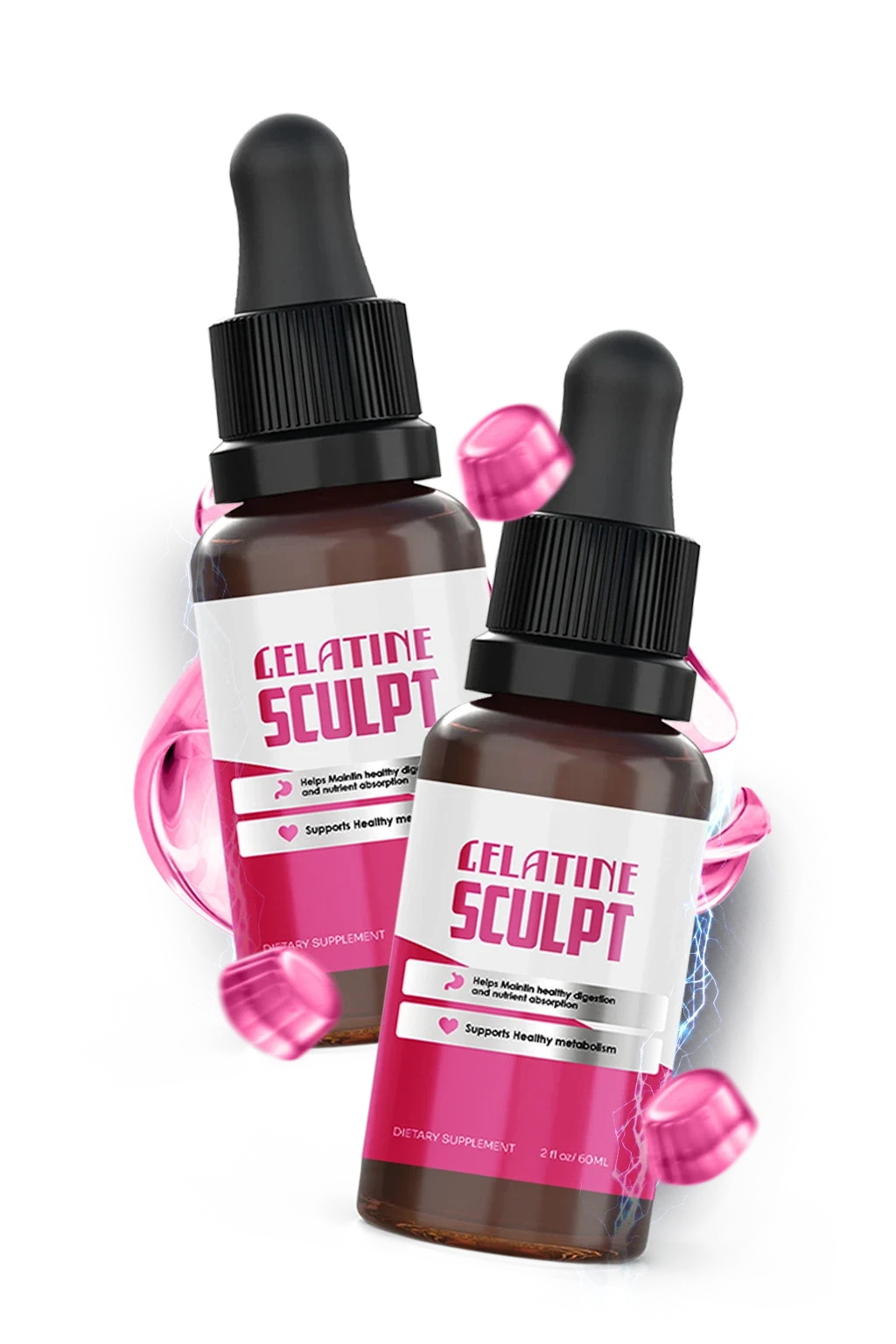
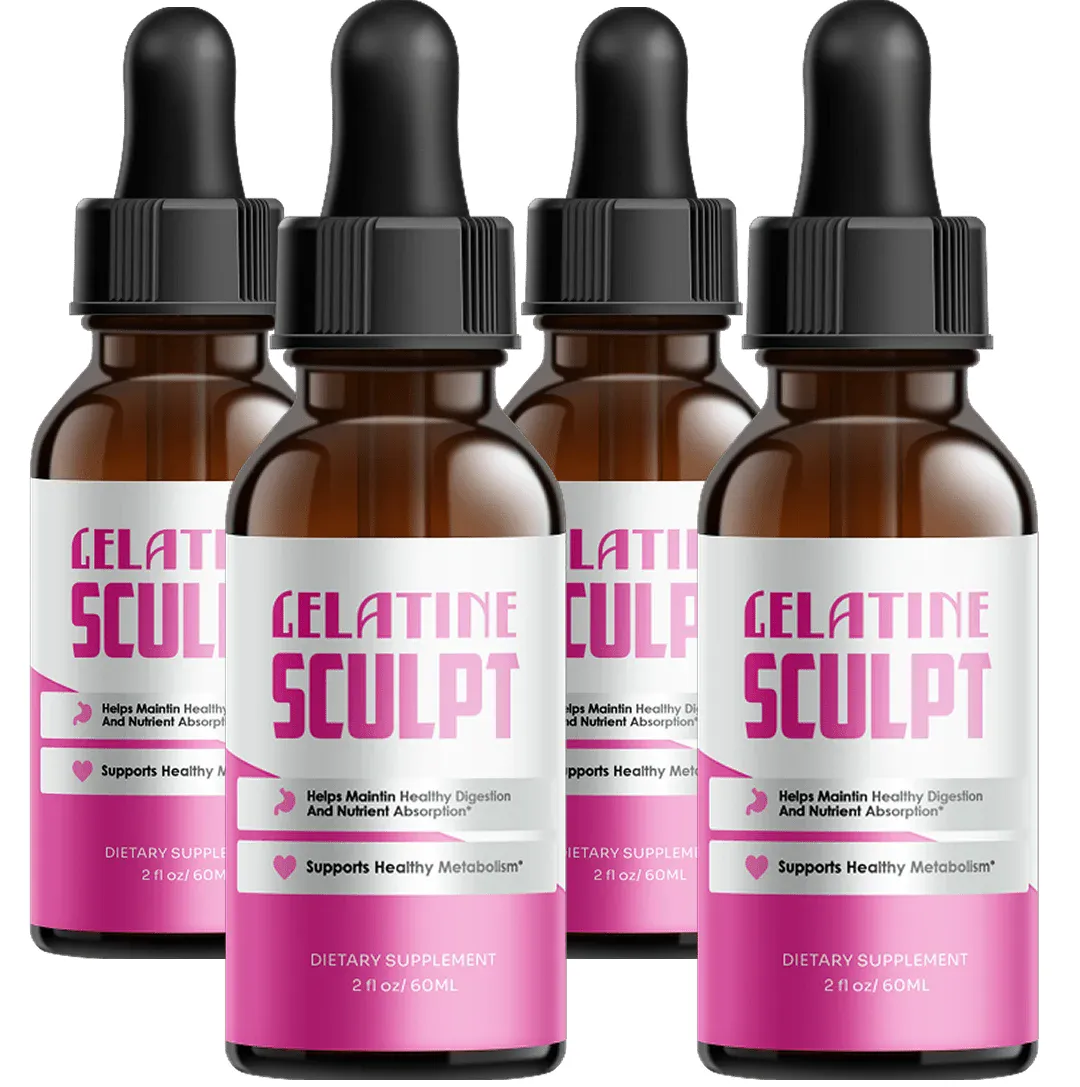
While a healthy diet and lifestyle are foundational, certain supplements can offer additional support, especially when specific nutritional gaps exist or when the body needs an extra boost in metabolic function. Ingredients like hydrolyzed collagen, chromium picolinate, and berberine have been studied for their roles in supporting metabolism, lean muscle mass, and healthy blood sugar levels, all vital for improving body composition and managing weight. Gelatine Sculpt is formulated with such ingredients to provide comprehensive support.
Key Ingredients in Gelatine Sculpt for Body Composition Support
Gelatine Sculpt is designed to complement your efforts in achieving a healthier body composition by providing targeted nutritional support. Here are some of its key ingredients and their roles:

Hydrolyzed Collagen
Role: Collagen is the most abundant protein in the body, crucial for connective tissues, skin, and joints. As a protein source, it supports satiety and lean muscle mass. Maintaining muscle is vital for a healthy metabolism and body composition, especially during weight management. It also supports skin elasticity and joint health, which can be beneficial during periods of significant body change.
Typically 5-15g per serving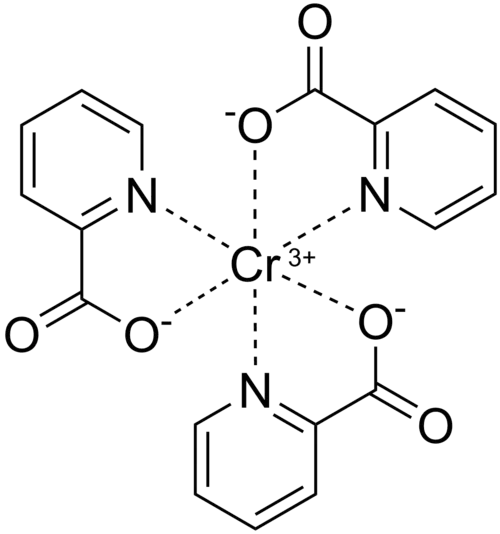
Chromium Picolinate
Role: This essential trace mineral plays a key role in carbohydrate and lipid metabolism. It enhances the action of insulin, which is crucial for regulating blood sugar levels. Improved insulin sensitivity can help reduce sugar cravings, manage blood glucose, and potentially reduce fat storage, contributing to better body composition and weight management.
Typically 200-1000mcg per day
Berberine
Role: A powerful plant extract, berberine has been researched for its ability to activate AMPK, an enzyme that regulates metabolism and energy balance. It can help lower blood sugar, improve insulin sensitivity, and may assist in reducing fat accumulation, particularly visceral fat. Berberine also supports gut health, which, as discussed, is vital for metabolic well-being.
Typically 500-1500mg per day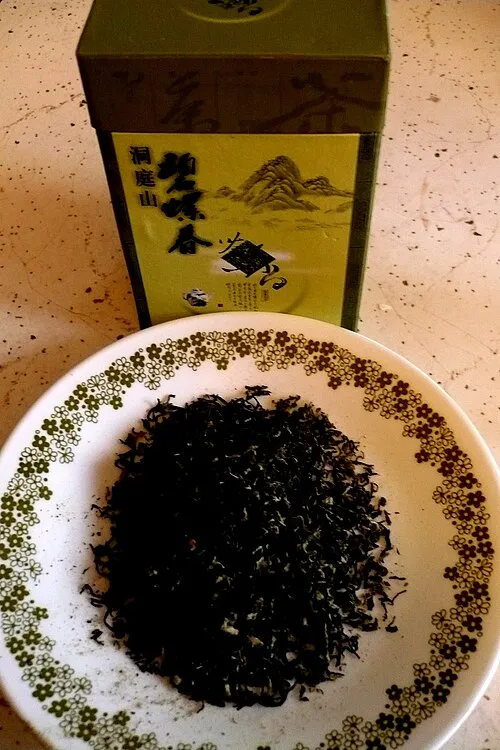
Green Tea Extract
Role: Rich in antioxidants, particularly EGCG (epigallocatechin gallate), green tea extract is known for its thermogenic properties. It can boost metabolism and enhance fat oxidation, helping the body burn more calories and fat. It also provides a gentle energy lift without the jitters associated with excessive caffeine, supporting consistent activity levels.
Typically 250-500mg (standardized EGCG)
Maca Root
Role: An adaptogenic herb, Maca root is valued for its potential to support energy levels, stamina, and hormonal balance. While not directly a weight loss ingredient, its adaptogenic properties can help the body cope with stress, which indirectly supports weight management by reducing stress-induced eating and promoting overall well-being and consistent energy for exercise.
Typically 1500-3000mg per day
Turmeric
Role: The active compound in turmeric, curcumin, is a potent anti-inflammatory and antioxidant. Chronic inflammation is often linked to obesity and metabolic dysfunction. By helping to reduce inflammation, turmeric can support overall metabolic health and potentially improve the body's ability to manage weight and improve body composition.
Typically 500-1500mg (standardized curcumin)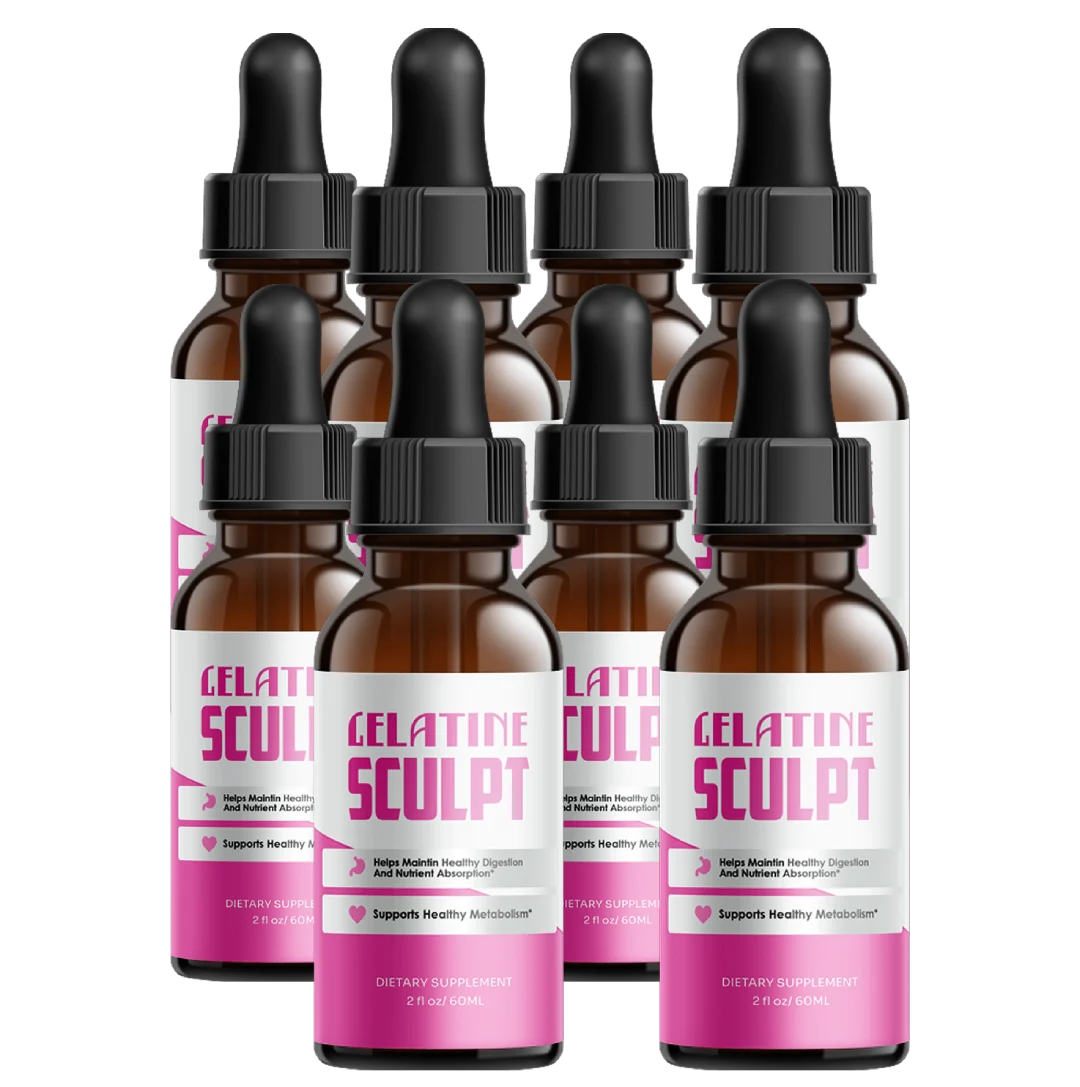
Ready to Support Your Journey Towards a Healthier Body Composition?
Gelatine Sculpt offers a unique, all-natural blend of ingredients specifically chosen to address key factors influencing obesity and poor body composition. It's designed to work synergistically with your healthy lifestyle choices.
- ✓ Supports healthy metabolism and fat burning
- ✓ Helps maintain and build lean muscle mass
- ✓ Promotes healthy blood sugar levels
- ✓ Contributes to improved energy and vitality
- ✓ Formulated with clinically studied natural ingredients


Hear From Our Satisfied Customers
"I've struggled with my body composition for years, feeling 'skinny fat' even at a normal weight. Gelatine Sculpt, combined with my new workout routine, has made a noticeable difference. I feel firmer and more energetic. Highly recommend!"
"As a busy professional, finding time for consistent healthy habits is tough. Gelatine Sculpt has been a game-changer in supporting my metabolism and curbing those afternoon cravings. I'm finally seeing progress in my body composition!"
"I was skeptical at first, but the blend of ingredients in Gelatine Sculpt really resonated with me. My energy levels are up, and I feel like my body is finally responding to my efforts. It's a fantastic addition to my wellness routine."
Frequently Asked Questions
What is the primary difference between obesity and poor body composition?
+Obesity specifically refers to having an excessive amount of body fat, often measured by BMI, which can lead to health problems. Poor body composition, however, describes an unhealthy ratio of fat to lean muscle mass, even in individuals who may not be classified as obese by BMI. It emphasizes the quality of weight, not just the quantity.
Can genetics truly cause obesity, or is it mostly lifestyle?
+Genetics play a significant role, influencing appetite regulation, metabolism, fat storage, and even how your body responds to exercise. While genetics don't guarantee obesity, they can predispose individuals, making them more susceptible to weight gain when combined with certain environmental and lifestyle factors. Lifestyle choices like diet and activity level interact with genetic predispositions.
How does chronic stress contribute to weight gain and poor body composition?
+Chronic stress triggers the release of cortisol, a hormone that promotes fat storage, particularly in the abdominal area. It can also increase cravings for high-calorie, comfort foods and disrupt sleep patterns, both of which contribute to weight gain and make it harder to build and maintain lean muscle mass. Managing stress is crucial for metabolic health.
Is it possible to improve body composition without significant weight loss?
+Absolutely. Body recomposition focuses on simultaneously losing fat and gaining muscle, which can lead to a healthier body composition even if the number on the scale doesn't change dramatically. This is often achieved through a combination of strength training, adequate protein intake, and a moderate calorie deficit or maintenance. The goal is to shift the fat-to-muscle ratio.
What role does gut health play in obesity and body composition?
+The gut microbiome significantly influences metabolism, nutrient absorption, and inflammation. An imbalance of gut bacteria (dysbiosis) can contribute to increased calorie extraction from food, altered appetite hormones, and systemic inflammation, all of which can promote weight gain and hinder efforts to improve body composition. Supporting a diverse, healthy gut microbiome is an emerging strategy.
How can Gelatine Sculpt support a healthy body composition?
+Gelatine Sculpt provides a blend of natural ingredients, including hydrolyzed collagen, chromium picolinate, and berberine, which are designed to support metabolism, lean muscle mass, and healthy blood sugar levels. By addressing these foundational aspects, it aims to help optimize the body's natural fat-burning processes and improve the fat-to-muscle ratio, making it a valuable tool alongside a balanced diet and regular exercise.
Related Articles