Are you ready to take control of your health and transform your body composition?
In an era where processed foods and sedentary lifestyles are increasingly common, maintaining a healthy weight and optimal body composition has become a significant challenge for many. The implications of obesity extend far beyond aesthetics, impacting every aspect of physical and mental well-being, from increased risk of chronic diseases to reduced mobility and quality of life.
Understanding the root causes and implementing effective prevention strategies are crucial steps toward a vibrant, healthier future. This guide, penned by Dr. Melissa Hughes, a leading Nutritional Health Researcher, delves into actionable advice and insights, helping you navigate your journey to prevent obesity and achieve a leaner, more resilient body composition.
Understanding the Landscape: Obesity and Poor Body Composition
Before diving into prevention, it's essential to grasp what we're up against. Obesity and poor body composition are intertwined but distinct challenges that threaten public health worldwide.
Obesity is typically defined by an excessive accumulation of body fat, often measured by a Body Mass Index (BMI) of 30 or higher. It's a complex, multifactorial disease influenced by genetics, environment, metabolism, and behavior. Its consequences are severe, including a higher risk of type 2 diabetes, heart disease, stroke, certain cancers, sleep apnea, and osteoarthritis. The economic burden and impact on quality of life are immense.
On the other hand, poor body composition refers to an unhealthy ratio of fat to lean muscle mass. This can occur even in individuals with a "normal" BMI, a phenomenon sometimes called "skinny fat." While they may not appear overweight, their bodies carry too much visceral fat (fat around organs) and not enough muscle. This imbalance still carries significant health risks, as muscle is metabolically active and crucial for strength, mobility, and overall health. A higher percentage of body fat, regardless of BMI, is associated with insulin resistance, inflammation, and metabolic syndrome.
The goal isn't just weight loss; it's about achieving a healthier body composition – reducing fat and building or preserving muscle. This holistic approach is key to long-term health and vitality.
💡 Key Takeaway
Obesity and poor body composition represent an unhealthy excess of body fat, with poor body composition extending the risk even to those not clinically obese. Both require a focus on reducing fat mass and increasing lean muscle for optimal health and disease prevention.
The Foundational Pillars of Obesity Prevention
Preventing obesity and improving body composition isn't about quick fixes; it's about building sustainable habits across several key areas of your life. These pillars form the bedrock of a healthy, resilient body.
Prioritizing Nutrient-Dense Nutrition
Your diet is perhaps the most critical factor in managing weight and body composition. Focusing on whole, unprocessed foods provides your body with the essential vitamins, minerals, fiber, and macronutrients it needs without excess calories or harmful additives. Emphasize lean proteins, healthy fats, complex carbohydrates, and a rainbow of fruits and vegetables to fuel your body efficiently and promote satiety.
Embracing Regular Physical Activity
Consistent movement is non-negotiable for metabolic health and muscle maintenance. A combination of cardiovascular exercise (for heart health and calorie burn) and strength training (for building and preserving muscle mass) is ideal. Aim for at least 150 minutes of moderate-intensity aerobic activity and two or more days of muscle-strengthening activities per week. Remember, even small increases in daily movement can make a big difference.
Optimizing Sleep Quality and Quantity
Often underestimated, adequate sleep is a powerful tool in weight management. Poor sleep disrupts hormones that regulate appetite (ghrelin and leptin), leading to increased hunger and cravings for unhealthy foods. Aim for 7-9 hours of quality sleep per night to support hormonal balance, metabolic function, and recovery, making it easier to make healthy choices throughout the day.
Effective Stress Management Techniques
Chronic stress can wreak havoc on your body, leading to increased cortisol levels. Elevated cortisol is linked to increased appetite, fat storage (especially around the abdomen), and metabolic dysfunction. Incorporating stress-reducing practices like meditation, yoga, deep breathing exercises, spending time in nature, or engaging in hobbies can significantly mitigate these negative effects and support your weight management efforts.
Prioritizing Hydration
Water is essential for nearly every bodily function, including metabolism, nutrient transport, and detoxification. Staying adequately hydrated can also help manage appetite, as thirst is often mistaken for hunger. Drinking enough water throughout the day, especially before meals, can contribute to feelings of fullness and reduce overall calorie intake. Make water your primary beverage choice.
Deep Dive into Nutritional Strategies for Body Composition
Beyond simply "eating healthy," specific nutritional strategies can significantly impact your body's ability to prevent fat accumulation and optimize muscle mass.
The Power of Protein: Protein is paramount for body composition. It's the building block of muscle, and adequate intake helps preserve lean mass during weight loss, boosts satiety, and has a higher thermic effect than fats or carbohydrates, meaning your body burns more calories digesting it. Aim for a protein source at every meal, such as lean meats, poultry, fish, eggs, dairy, legumes, and plant-based protein powders. Incorporating high-quality protein can also help curb cravings and reduce overall caloric intake, a critical factor in how gelatin works for appetite control.
Fiber for Fullness and Gut Health: Dietary fiber, found in fruits, vegetables, whole grains, and legumes, is a true superstar. It adds bulk to your diet without adding many calories, promoting feelings of fullness and aiding digestion. Soluble fiber, in particular, can help regulate blood sugar levels and feed beneficial gut bacteria, which play a role in metabolic health and weight management. A healthy gut microbiome is increasingly recognized as a key player in preventing obesity.
Smart Carbohydrate Choices: Not all carbohydrates are created equal. Focus on complex carbohydrates like whole grains (oats, quinoa, brown rice), sweet potatoes, and starchy vegetables. These provide sustained energy, fiber, and essential nutrients, unlike refined carbohydrates (white bread, sugary cereals, pastries) that cause rapid blood sugar spikes and crashes, often leading to increased hunger and fat storage.
Embracing Healthy Fats: Don't fear fats! Healthy fats, found in avocados, nuts, seeds, olive oil, and fatty fish, are crucial for hormone production, nutrient absorption, and satiety. They also contribute to the deliciousness of your meals, making healthy eating more enjoyable and sustainable. Moderation is key, as fats are calorie-dense, but they are vital for overall health and body composition.
Mindful Eating Practices: Beyond what you eat, how you eat matters. Practicing mindful eating involves paying attention to your hunger and fullness cues, eating slowly, savoring your food, and minimizing distractions. This practice can help you recognize when you're truly satisfied, preventing overeating and fostering a healthier relationship with food. It's about listening to your body's signals rather than eating out of habit or emotion.
Integrating Movement and Exercise for a Leaner Physique
Physical activity is indispensable for burning calories, building muscle, improving metabolic health, and enhancing mental well-being. It's a powerful antidote to a sedentary lifestyle.
Cardiovascular Training: Regular aerobic exercise, such as brisk walking, jogging, cycling, swimming, or dancing, elevates your heart rate and burns calories, contributing to fat loss. It also improves cardiovascular health, boosts endurance, and can reduce stress. Aim for variety to keep things interesting and challenge different muscle groups.
Strength Training for Muscle Mass: This is arguably the most crucial component for improving body composition. Building muscle increases your basal metabolic rate (BMR), meaning you burn more calories at rest. Muscle also improves insulin sensitivity, bone density, and functional strength. Incorporate resistance exercises using weights, resistance bands, or your own body weight. Don't be afraid to lift heavy – it's key to sculpting a strong, lean body. This is where supplements that support muscle and connective tissue, like those containing collagen, can be particularly beneficial. If you're comparing options, understanding the differences between gelatine sculpt vs collagen supplements can help you make an informed choice.
Non-Exercise Activity Thermogenesis (NEAT): Don't underestimate the power of everyday movement. NEAT includes all the calories you burn from activities that aren't formal exercise – walking, standing, fidgeting, taking the stairs, cleaning, gardening. Increasing your NEAT throughout the day can significantly boost your total daily energy expenditure. Consider a standing desk, taking frequent breaks to walk, or parking further away from your destination.
Flexibility and Balance: While not directly burning a significant amount of calories, activities like yoga, Pilates, and stretching improve flexibility, balance, and posture. These are crucial for preventing injuries, enhancing exercise performance, and maintaining mobility as you age, allowing you to sustain your active lifestyle long-term.
Beyond Diet and Exercise: Lifestyle Factors for Prevention
A truly holistic approach to obesity prevention extends beyond just food and fitness, incorporating aspects of daily living that profoundly influence your metabolic health.
Prioritizing Quality Sleep
Chronic sleep deprivation messes with your hormones, specifically increasing ghrelin (the hunger hormone) and decreasing leptin (the satiety hormone). This imbalance leads to increased cravings for high-calorie foods and reduced energy for physical activity. Aim for 7-9 hours of uninterrupted sleep each night to keep your hormones in check and your willpower strong. Establish a consistent sleep schedule and create a relaxing bedtime routine.
Managing Chronic Stress Effectively
Stress is more than just a feeling; it's a physiological response that can lead to weight gain. When stressed, your body releases cortisol, which can increase appetite, particularly for sugary and fatty foods, and promote fat storage in the abdominal area. Finding healthy ways to manage stress—be it through meditation, spending time in nature, pursuing hobbies, or connecting with loved ones—is vital for preventing stress-induced weight gain.
Mindful Eating and Portion Control
Eating mindfully means paying attention to your body's hunger and fullness cues, savoring your food, and eating without distraction. This practice can prevent overeating and help you develop a healthier relationship with food. Complement this with conscious portion control, using smaller plates, measuring servings, and understanding appropriate serving sizes for various foods. These simple habits can make a significant difference in calorie intake.
Building a Supportive Environment
Your environment plays a huge role in your health choices. Surround yourself with people who support your healthy habits, keep healthy food readily available, and minimize tempting unhealthy options at home and work. Make your home a sanctuary for wellness, where healthy choices are the easy choices. This includes having a dedicated space for exercise and relaxation.
Supportive Supplements: Enhancing Your Prevention Strategy
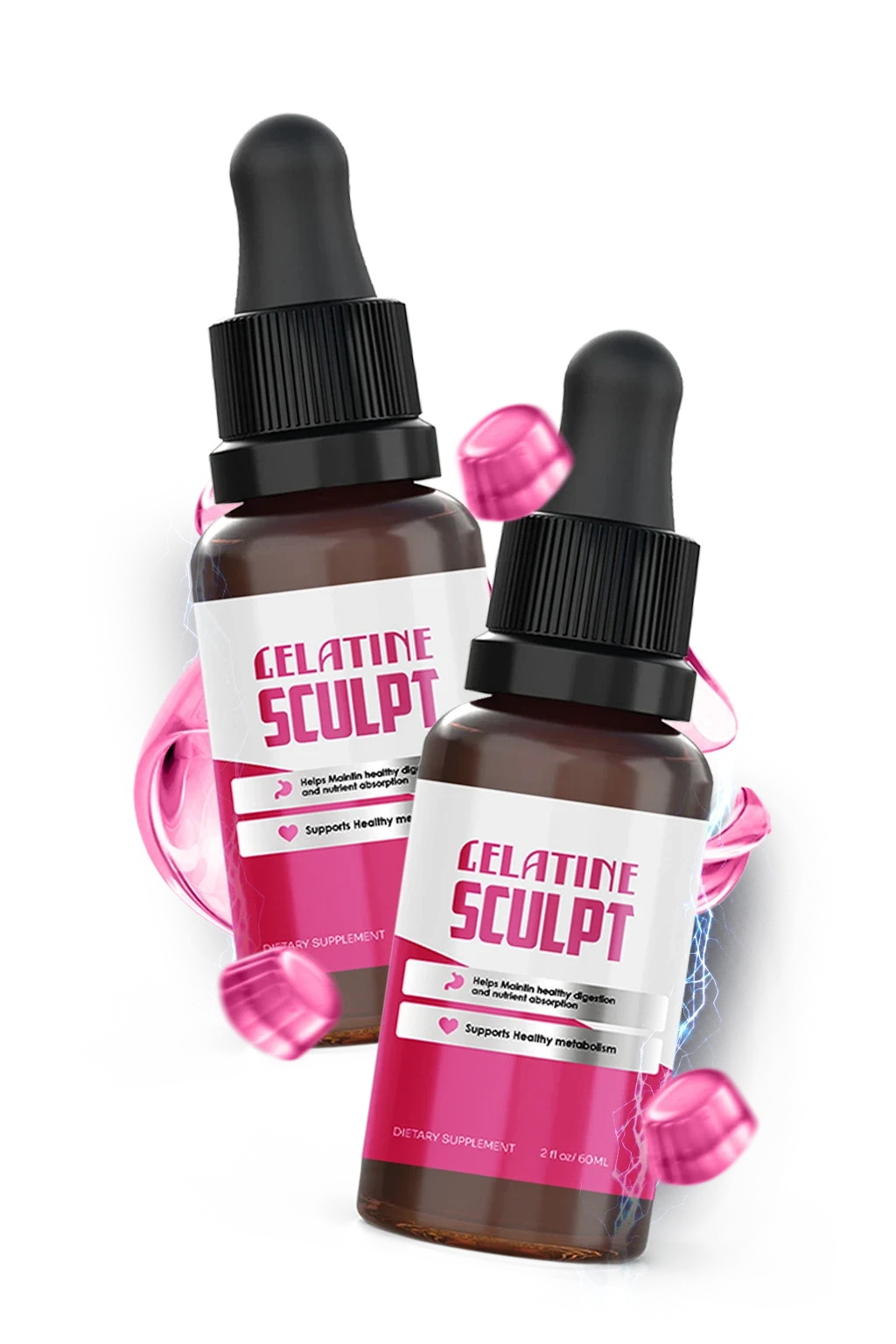
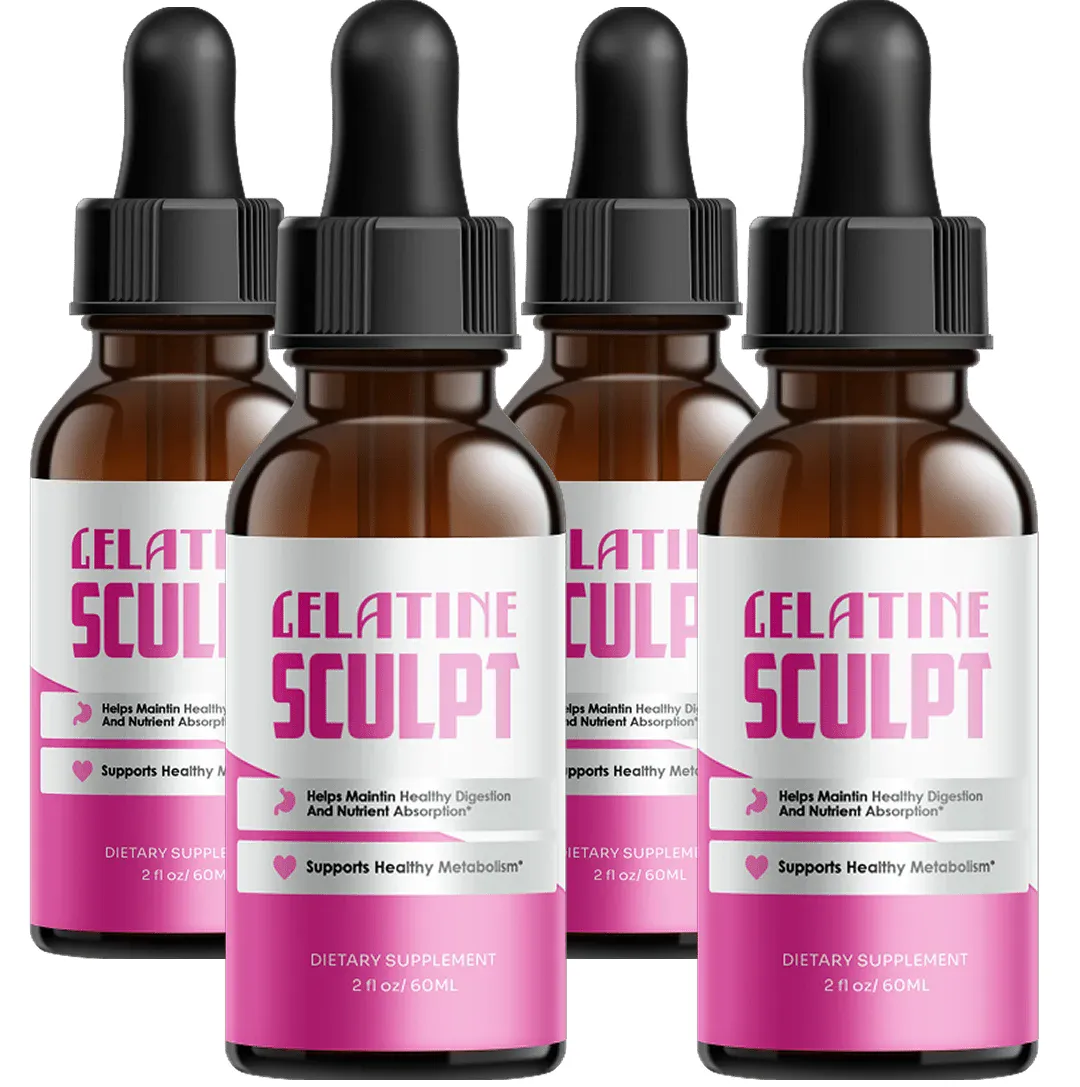
While no supplement can replace a healthy diet and active lifestyle, certain natural ingredients can provide valuable support in your journey to prevent obesity and optimize body composition. Gelatine Sculpt offers a blend of such ingredients, designed to work synergistically with your efforts.

Hydrolyzed Collagen Peptides
Role: Collagen, a primary component of Gelatine Sculpt, is a protein crucial for connective tissues. In the context of body composition, it supports lean muscle mass, joint health, and skin elasticity. Its high protein content also contributes to satiety, helping to reduce overall calorie intake and curb cravings, which is vital for weight management and preventing overeating.
Typical Dose: 10-20g daily
Berberine HCl
Role: Berberine is a powerful plant alkaloid known for its ability to activate AMPK, an enzyme that regulates metabolism. It can help improve insulin sensitivity, reduce blood sugar levels, and support healthy fat metabolism. By improving how your body processes glucose and fat, berberine contributes significantly to preventing fat accumulation and supporting a healthier body composition.
Typical Dose: 500-1500mg daily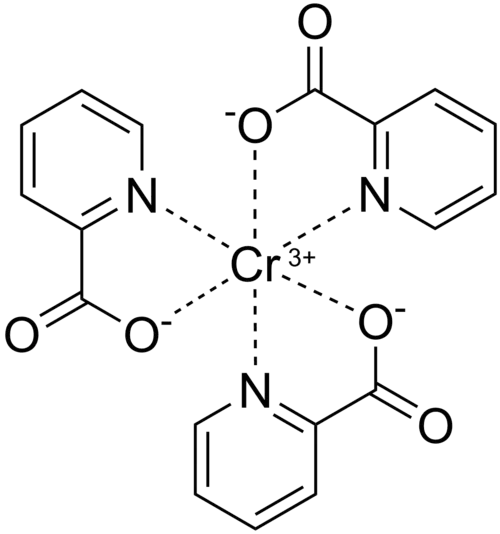
Chromium Picolinate
Role: Chromium is an essential trace mineral that plays a role in carbohydrate and lipid metabolism. Specifically, chromium picolinate is recognized for its ability to enhance the action of insulin, which is critical for regulating blood sugar and energy use. By helping to stabilize blood glucose, it can reduce sugar cravings and support the body's ability to utilize glucose efficiently, rather than storing it as fat.
Typical Dose: 200-1000mcg daily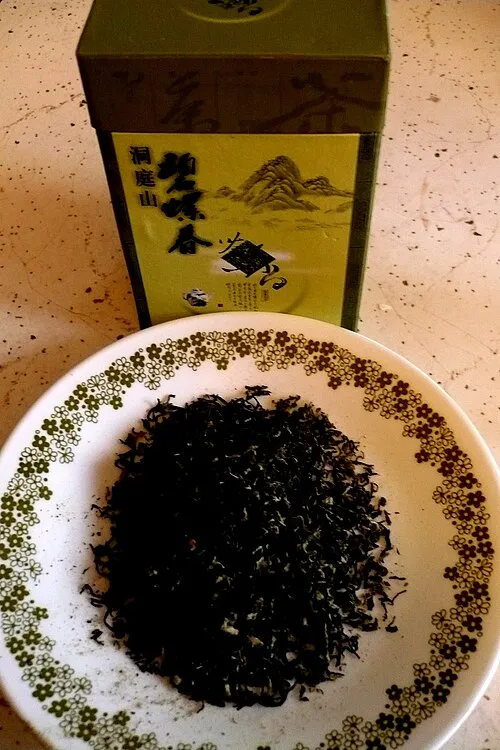
Green Tea Extract (EGCG)
Role: Rich in antioxidants, particularly epigallocatechin gallate (EGCG), green tea extract is well-regarded for its thermogenic properties. It can boost metabolism and increase fat oxidation, helping the body burn more calories and fat. EGCG also provides antioxidant support, protecting cells from oxidative stress, and may contribute to improved energy levels, supporting a more active lifestyle.
Typical Dose: 250-500mg daily
Turmeric Root Extract (Curcumin)
Role: Turmeric, with its active compound curcumin, is a potent anti-inflammatory agent. Chronic inflammation is often linked to obesity and metabolic dysfunction. By helping to reduce systemic inflammation, curcumin can support overall metabolic health and potentially aid in weight management. It also offers antioxidant benefits and promotes general well-being, which is foundational for sustained health efforts.
Typical Dose: 500-1500mg dailyThese ingredients, when combined with a disciplined lifestyle, can provide a significant advantage in your fight against obesity and in optimizing your body composition. Gelatine Sculpt is formulated with these powerful, natural compounds to offer comprehensive support. For more information, you can visit the Gelatine Sculpt official website.
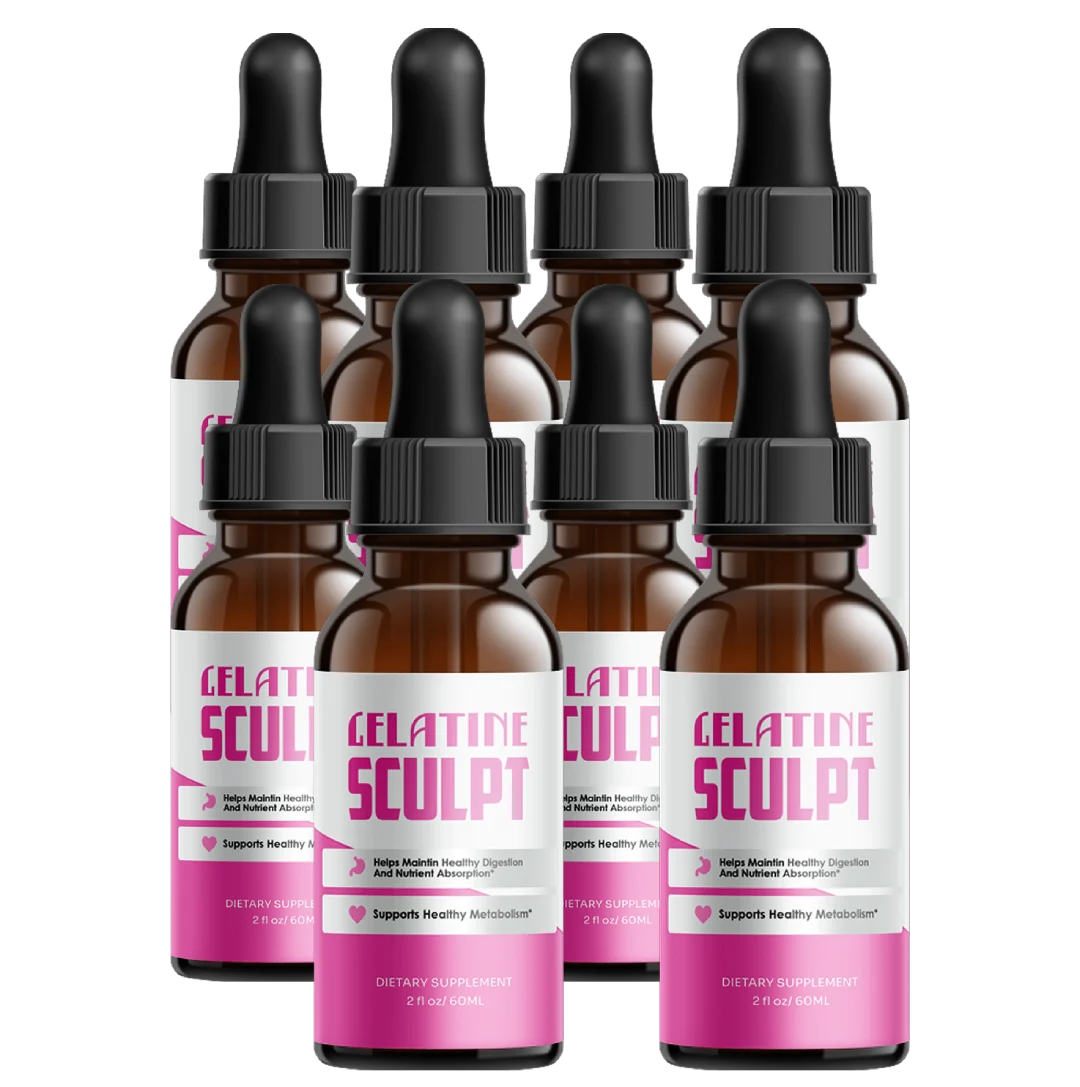
Unlock Your Potential with Gelatine Sculpt
Gelatine Sculpt is more than just a supplement; it's a natural ally in your quest for a healthier body composition and effective obesity prevention. Crafted with a potent blend of clinically-backed ingredients, it's designed to support your body's natural metabolic processes and help you achieve your wellness goals.
- ✓ Supports Healthy Metabolism & Fat Burning
- ✓ Promotes Satiety & Reduces Cravings
- ✓ Enhances Lean Muscle Mass & Joint Health
- ✓ Boosts Energy Levels Naturally
- ✓ Formulated with 100% Natural, Science-Backed Ingredients



Real People, Real Results: Testimonials
"I've struggled with my weight for years, but Gelatine Sculpt has been a game-changer. I feel fuller, have fewer cravings, and my energy levels are consistently higher. It's made sticking to my diet so much easier, and I'm finally seeing real progress in my body composition!"
"As someone focused on fitness, I was looking for something to support my lean muscle goals and recovery. Gelatine Sculpt's collagen content is fantastic for my joints, and I've noticed a definite improvement in my overall metabolic health. It's an excellent addition to my routine."
"I was skeptical at first, but the natural ingredients in Gelatine Sculpt really work. My digestion feels better, I'm less bloated, and I don't get those afternoon energy crashes anymore. It's helped me be more consistent with my healthy eating, leading to a noticeable difference in how I look and feel."
Frequently Asked Questions
What is the difference between obesity and poor body composition?
+Obesity is defined by an excessive accumulation of body fat, typically indicated by a Body Mass Index (BMI) of 30 or higher. Poor body composition, however, refers to an unhealthy ratio of fat to lean muscle mass, even if an individual's BMI is within a "normal" range. Someone can have a healthy weight but still have too much body fat and not enough muscle, which carries similar health risks to obesity. It's about the quality, not just the quantity, of weight.
How crucial is diet in preventing obesity?
+Diet plays a paramount role in preventing obesity. What you eat directly influences your caloric intake, satiety, metabolic rate, and even gut health – all critical factors in weight management. A diet rich in whole, unprocessed foods, lean proteins, healthy fats, and fiber helps regulate blood sugar, reduces cravings, and provides sustained energy, making it easier to maintain a healthy weight and optimal body composition. Conversely, diets high in refined sugars, unhealthy fats, and processed foods contribute significantly to weight gain and metabolic dysfunction.
Can exercise alone prevent obesity?
+While exercise is incredibly important for overall health, muscle development, and calorie expenditure, it is often not sufficient on its own to prevent obesity, especially without dietary changes. Research consistently shows that a combination of regular physical activity and a balanced, calorie-controlled diet is the most effective strategy for weight management and obesity prevention. Exercise enhances metabolic health and builds lean mass, but without addressing caloric intake, its impact on weight loss or prevention can be limited.
How does sleep impact weight and body composition?
+Sleep is a critical, yet often overlooked, component of weight management and body composition. Insufficient sleep disrupts hormones that regulate appetite, specifically increasing ghrelin (hunger hormone) and decreasing leptin (satiety hormone). This imbalance can lead to increased cravings for high-calorie foods, higher caloric intake, and reduced energy for physical activity. Chronic sleep deprivation is strongly linked to an increased risk of obesity and difficulty in maintaining a healthy body composition.
Are supplements like Gelatine Sculpt truly effective for prevention?
+Supplements like Gelatine Sculpt can be a valuable *supportive* tool in a comprehensive obesity prevention strategy, but they are not standalone solutions. Gelatine Sculpt, with its blend of natural ingredients like collagen, chromium picolinate, and berberine, is designed to support satiety, healthy metabolism, and gut health. By aiding in these areas, it can make it easier to adhere to a healthy diet and lifestyle, thereby contributing to the prevention of obesity and the improvement of body composition. Always use supplements as part of a holistic approach that includes diet, exercise, and good lifestyle habits.
What are the long-term benefits of maintaining a healthy body composition?
+Maintaining a healthy body composition offers a myriad of long-term benefits that extend beyond physical appearance. These include a significantly reduced risk of chronic diseases such as type 2 diabetes, heart disease, certain cancers, and joint problems. It also leads to improved energy levels, better mobility, enhanced mood, cognitive function, and a higher quality of life. A healthy body composition supports robust metabolic health, stronger bones, and a more resilient immune system, contributing to overall longevity and well-being.
Related Articles