Are You Truly Healthy, Or Just "Normal" by BMI Standards?
For decades, the Body Mass Index (BMI) has been the go-to metric for assessing an individual's weight status. It's simple, quick, and widely used, often dictating how we perceive our health and that of others. However, as our understanding of human physiology evolves, a critical question arises: is BMI truly the most accurate or comprehensive indicator of overall health?
Many individuals find themselves in a conundrum: their BMI suggests they are within a 'healthy' range, yet they struggle with low energy, stubborn fat, or underlying metabolic concerns. This disconnect highlights a crucial flaw in relying solely on BMI. Instead, a more nuanced metric, body fat percentage, is emerging as the superior indicator for assessing true health and predicting disease risk. It tells a much richer story about what's happening inside your body.
Understanding BMI: A Historical Perspective and Its Limitations
The Body Mass Index (BMI) has been a staple in health assessments for nearly two centuries, but its simplicity is also its greatest weakness when it comes to individual health evaluation.
Developed in the 1830s by Adolphe Quetelet, a Belgian mathematician, the BMI was originally called the Quetelet Index. It was created as a statistical tool to gauge obesity levels across populations, not as a diagnostic measure for individual health. The formula is straightforward: weight in kilograms divided by the square of height in meters (kg/m²). This calculation places individuals into categories: underweight, normal weight, overweight, and obese. While convenient for large-scale epidemiological studies, its application to diverse individuals often leads to misleading conclusions about health status.
One of the primary limitations of BMI is its inability to differentiate between fat mass and lean muscle mass. Muscle is denser and heavier than fat, meaning an individual with significant muscle development – such as an athlete or a regular weightlifter – might have a high BMI and be categorized as "overweight" or "obese," despite having a very low body fat percentage and excellent cardiovascular health. Conversely, a person with a "normal" BMI might have a relatively low muscle mass and a high percentage of body fat, a condition often referred to as "skinny fat" or Thin Outside, Fat Inside (TOFI). These individuals can be at significant risk for metabolic disorders, even if their scale weight and BMI seem acceptable.
Furthermore, BMI doesn't account for body shape, bone density, age, sex, or ethnic differences in body composition. For example, older adults naturally lose muscle mass and gain fat, even if their weight remains stable, which BMI would not reflect. Similarly, different ethnic groups have varying healthy body fat ranges and predispositions to certain fat distribution patterns. Relying solely on BMI can therefore lead to misdiagnosis of health risks or unnecessary anxiety about one's weight.
💡 Key Takeaway
While BMI offers a quick, general screening tool for body weight categories, its utility as a sole indicator of individual health is limited. It doesn't differentiate between muscle and fat mass, meaning a very muscular person might be classified as 'overweight' or 'obese,' while a person with low muscle mass but high body fat (often called 'skinny fat') could fall into a 'healthy' BMI range. For a more accurate picture of health risk, it should be considered alongside body fat percentage, waist circumference, and overall lifestyle factors.
Why Body Fat Percentage is the Superior Metric for Health
Beyond the simple measure of weight for height, body fat percentage offers a far more insightful glimpse into your overall health and future disease risk.
Direct Measure of Fat
Unlike BMI, body fat percentage directly quantifies the proportion of your body that is composed of fat. This is crucial because it's excess body fat, particularly visceral fat around organs, that is strongly linked to chronic diseases like type 2 diabetes, heart disease, certain cancers, and metabolic syndrome. Knowing your body fat percentage gives you a clearer picture of this specific risk factor.
Reflects Metabolic Health
High body fat percentage, even in individuals with a normal BMI, is a strong indicator of poor metabolic health. Fat cells, especially visceral fat, are metabolically active and can release inflammatory compounds and hormones that disrupt insulin sensitivity and increase blood pressure. Understanding your body fat percentage helps you assess your true metabolic risk, allowing for targeted interventions.
Accounts for Muscle Mass
Body fat percentage inherently considers the balance between fat and lean mass. A healthy body composition isn't just about having less fat; it's also about having adequate muscle. Muscle mass is vital for metabolism, strength, mobility, and overall longevity. A good body fat percentage indicates a healthy balance, whereas BMI can't distinguish between a muscular build and excess fat.
Guides Personalized Interventions
Knowing your body fat percentage allows for more personalized and effective health and fitness strategies. If your fat percentage is high, the focus can be on fat loss and muscle preservation. If your muscle mass is low, the emphasis can shift to strength training. This targeted approach is more effective than generic weight loss advice based on BMI alone, leading to better, more sustainable health outcomes.
Methods for Measuring Body Fat Percentage
While BMI is a simple calculation, determining body fat percentage requires more sophisticated methods, each with its own level of accuracy and accessibility.
The gold standard for body composition analysis is often considered to be Dual-energy X-ray Absorptiometry (DEXA). This method uses low-dose X-rays to measure bone mineral density, lean mass, and fat mass with high precision. It provides a detailed regional breakdown of fat distribution, which can be particularly useful for identifying dangerous visceral fat. However, DEXA scans are typically more expensive and require access to specialized equipment.
Another popular method is Bioelectrical Impedance Analysis (BIA). This technique involves sending a small, harmless electrical current through the body. Since fat, muscle, and water conduct electricity at different rates, the device can estimate body composition. BIA is convenient and often found in smart scales or handheld devices, making it accessible for home use. However, its accuracy can be influenced by hydration levels, recent exercise, and food intake. For more insights into how diet affects body composition, you might want to read our article on "Diet Foods for Better Body Composition and Fat Loss."
Skinfold calipers are a traditional and cost-effective method where a trained professional measures the thickness of skinfolds at specific body sites (e.g., triceps, abdomen, thigh) using calipers. These measurements are then entered into a formula to estimate body fat percentage. While operator-dependent, it can provide a good estimate when performed consistently by a skilled individual. Other advanced methods include hydrostatic weighing (underwater weighing) and air displacement plethysmography (Bod Pod), both of which measure body volume to calculate density and thus body fat.
No single method is perfect, but understanding these options allows individuals to choose the most appropriate tool for their needs. For many, tracking trends over time with a consistent method is more valuable than a single, absolute number, especially when combined with other health markers and professional guidance.
The Health Implications of Poor Body Composition
Increased Chronic Disease Risk
A high body fat percentage, particularly central obesity (fat around the waist), is directly linked to an elevated risk of developing serious chronic conditions. This includes type 2 diabetes, heart disease, hypertension (high blood pressure), and certain types of cancer. This risk is present even for individuals with a 'normal' BMI but high body fat.
Metabolic Dysfunction
Excess fat, especially visceral fat, is metabolically active, releasing inflammatory cytokines and hormones that interfere with insulin signaling. This can lead to insulin resistance, a precursor to type 2 diabetes, and contribute to dyslipidemia (unhealthy cholesterol levels), further worsening cardiovascular health. Understanding the role of hormones in this process is critical; learn more at "How Hormones Affect Body Weight and Fat Distribution."
Reduced Physical Performance and Quality of Life
Poor body composition often means lower muscle mass relative to fat. This can lead to decreased strength, endurance, and mobility, making everyday activities more challenging. It also impacts athletic performance, recovery, and overall physical independence, especially as we age, contributing to a lower quality of life.
Impact on Sleep and Mental Well-being
Obesity and poor body composition are frequently associated with sleep disorders like sleep apnea, which further exacerbates metabolic issues and fatigue. The physical and emotional burden can also contribute to lower self-esteem, anxiety, and depression. Addressing body composition can thus have profound positive effects on both physical and mental health. For a deeper dive into this, see our article on "How Sleep Affects Body Composition and Weight."
Strategies for Optimizing Body Composition
Shifting focus from mere weight loss to improving body composition requires a multi-faceted approach that addresses diet, exercise, and lifestyle factors.
Nutrition is paramount. A diet rich in whole, unprocessed foods, lean proteins, healthy fats, and complex carbohydrates is fundamental. Prioritizing protein intake is crucial for preserving and building muscle mass, especially during periods of calorie deficit. Limiting refined sugars, processed foods, and excessive unhealthy fats helps reduce overall caloric intake and minimize fat storage. Focus on nutrient-dense foods that provide satiety and support metabolic function.
Regular exercise is non-negotiable. Incorporate a combination of strength training and cardiovascular exercise. Strength training (e.g., weightlifting, bodyweight exercises) is essential for building and maintaining muscle mass, which boosts your resting metabolic rate and helps burn more fat even at rest. Cardiovascular exercise (e.g., running, swimming, cycling) improves heart health and contributes to calorie expenditure, aiding in fat loss. Consistency and progressive overload are key to seeing results.
Beyond diet and exercise, lifestyle factors play a significant role. Adequate sleep (7-9 hours per night) is vital for hormone regulation, muscle recovery, and appetite control. Chronic sleep deprivation can increase cortisol levels, leading to fat storage, particularly around the abdomen. Stress management techniques like meditation, yoga, or spending time in nature can also help regulate hormones and prevent stress-induced overeating and fat accumulation. Hydration is another often-overlooked component; drinking enough water supports metabolism and can aid in satiety.
While these foundational elements are critical, some individuals may seek additional support to optimize their body composition. This is where high-quality, natural supplements can come into play, working synergistically with a healthy lifestyle. Gelatine Sculpt, for instance, is designed to complement these efforts by supporting metabolic health and aiding the body's natural fat-burning processes.
Key Ingredients in Gelatine Sculpt Supporting Body Composition
Gelatine Sculpt is formulated with a blend of natural ingredients carefully selected for their potential to support metabolic health and promote a healthier body composition.

Hydrolyzed Collagen
Role: Supports lean muscle mass, satiety, and connective tissue health. Collagen is the most abundant protein in the body, vital for skin elasticity, joint health, and muscle structure. By providing essential amino acids, it can aid in muscle protein synthesis, contributing to a higher metabolic rate and promoting a feeling of fullness after meals, which helps in weight management.
5-10g per serving
Berberine HCl
Role: Enhances metabolic function and supports healthy blood sugar levels. Berberine is a bioactive compound found in several plants, known for its ability to activate AMPK, a master metabolic regulator. This can help improve glucose metabolism, reduce fat storage, and support a healthy inflammatory response, all crucial for optimizing body composition.
500-1500mg daily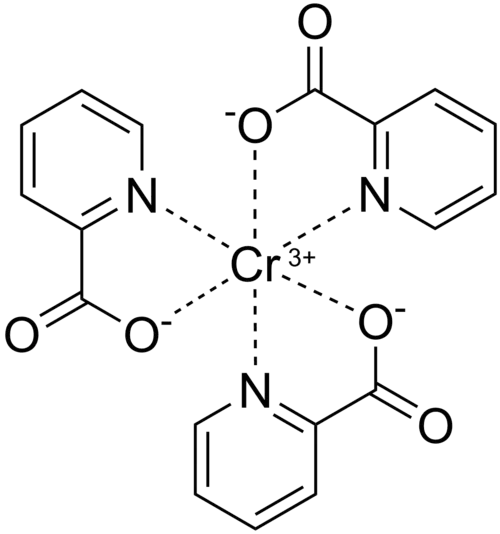
Chromium Picolinate
Role: Improves insulin sensitivity and reduces cravings. Chromium is an essential trace mineral that plays a key role in carbohydrate and lipid metabolism. As chromium picolinate, it is highly bioavailable and helps insulin work more efficiently, potentially leading to better blood sugar control and reduced cravings for sugary foods, which can be beneficial for fat loss.
200-1000mcg daily
Green Tea Extract (EGCG)
Role: Boosts metabolism and fat oxidation. Rich in catechins, particularly epigallocatechin gallate (EGCG), green tea extract is a powerful antioxidant that has been shown to increase thermogenesis and fat oxidation. It can help the body burn more calories and fat, especially during exercise, making it a valuable component for improving body composition.
200-500mg EGCG daily
Ready to Sculpt Your Health with Gelatine Sculpt?
If you're looking beyond the scale and aiming for a healthier body composition, Gelatine Sculpt offers a scientifically-backed approach to support your goals. Formulated with natural ingredients, it’s designed to work in harmony with your body to enhance metabolic function and aid in sustainable fat loss.
- ✓ Supports healthy metabolism and fat burning
- ✓ Aids in preserving lean muscle mass
- ✓ Promotes satiety and reduces cravings
- ✓ Made with natural, high-quality ingredients
- ✓ Manufactured in a GMP-certified facility in the USA



What Our Customers Are Saying
"I used to obsess over my BMI, but I was still feeling sluggish. After incorporating Gelatine Sculpt and focusing on strength training, my body fat percentage dropped significantly. I feel so much stronger and healthier, and my energy levels are through the roof!"
"Gelatine Sculpt has been a game-changer for me. My BMI was 'normal,' but my body fat was too high. This supplement, combined with a better diet, has helped me finally sculpt my body and feel confident again. It's truly helped me understand what real health looks like."
"As someone who trains regularly, I knew BMI wasn't telling the whole story. Gelatine Sculpt helped me cut down on stubborn fat while maintaining my muscle. It's the perfect complement to my fitness routine, and I've seen noticeable improvements in my body composition."
Conclusion: Beyond the Number on the Scale
In the pursuit of health, it's easy to get fixated on simple metrics. While BMI has served as a convenient population-level tool, it often falls short in providing a truly accurate picture of an individual's health status.
The journey to optimal health and body composition is deeply personal and complex. It involves understanding not just how much you weigh, but what your body is made of. By shifting our focus from BMI to body fat percentage, we gain a more nuanced and accurate understanding of our internal health landscape. This allows for more informed decisions about diet, exercise, and lifestyle choices, ultimately leading to better health outcomes and a reduced risk of chronic diseases linked to obesity and poor body composition.
Embracing this broader perspective empowers you to pursue genuine well-being, rather than simply conforming to a number on a chart. Whether through consistent healthy habits, targeted exercise, or supportive natural supplements like Gelatine Sculpt, prioritize understanding and optimizing your body composition for a truly healthier future.
Frequently Asked Questions
Is BMI still a useful health indicator?
+While BMI offers a quick, general screening tool for body weight categories, its utility as a sole indicator of individual health is limited. It doesn't differentiate between muscle and fat mass, meaning a very muscular person might be classified as 'overweight' or 'obese,' while a person with low muscle mass but high body fat (often called 'skinny fat') could fall into a 'healthy' BMI range. For a more accurate picture of health risk, it should be considered alongside body fat percentage, waist circumference, and overall lifestyle factors.
What is a healthy body fat percentage range?
+Healthy body fat percentage ranges vary by age and sex. For adult men, a healthy range is typically considered to be 10-22%, while for adult women, it's generally 20-32%. Athletes often have lower percentages, and ranges can shift slightly with age, with slightly higher percentages being acceptable for older adults. It's important to consult with a healthcare professional to determine what is appropriate for your individual circumstances and health goals.
How can I accurately measure my body fat percentage?
+Several methods exist for measuring body fat percentage, with varying degrees of accuracy and cost. Dual-energy X-ray absorptiometry (DEXA) scans are considered one of the most accurate methods. Bioelectrical Impedance Analysis (BIA) devices (like smart scales) are convenient but less precise. Skinfold calipers, hydrostatic weighing, and air displacement plethysmography (Bod Pod) are other options. For most individuals, a combination of methods or professional assessment provides the best insight.
Can someone have a 'normal' BMI but an unhealthy body fat percentage?
+Yes, absolutely. This phenomenon is often referred to as 'TOFI' (Thin Outside, Fat Inside) or 'skinny fat.' Individuals can have a seemingly healthy BMI (18.5-24.9) but possess a disproportionately high percentage of body fat and low muscle mass. This can lead to similar metabolic health risks as those with higher BMIs, including insulin resistance, type 2 diabetes, and cardiovascular issues. This highlights why body composition is often a more critical health indicator than BMI alone.
What lifestyle changes improve body composition?
+Improving body composition involves a holistic approach focused on reducing body fat and increasing or preserving lean muscle mass. Key strategies include: a balanced diet rich in whole foods, lean proteins, and healthy fats; regular strength training and cardiovascular exercise; adequate sleep (7-9 hours per night); effective stress management; and sufficient hydration. Consistency in these areas is crucial for sustainable results and overall health.
How does Gelatine Sculpt support healthy body composition?
+Gelatine Sculpt is formulated with natural ingredients designed to support the body's natural fat-burning processes and metabolism, which can contribute to improved body composition. Ingredients like collagen and specific plant extracts may aid in boosting metabolic rate, enhancing fat oxidation, and promoting satiety, all of which are critical for reducing unhealthy body fat while preserving lean mass. It's intended as a supportive supplement to a healthy diet and active lifestyle, not a magic solution on its own.
Related Articles