Are Your Hormones Secretly Dictating Your Weight and Body Shape?
Many individuals diligently follow diet plans and exercise routines, yet struggle to achieve their desired body weight and composition. This frustration often stems from an overlooked, yet profoundly powerful, influence: our hormones. These chemical messengers orchestrate nearly every bodily function, including metabolism, appetite, fat storage, and muscle growth.
Understanding the intricate dance of your endocrine system is not just about losing weight; it's about reclaiming control over your body's natural rhythms. When hormones are out of sync, they can create an uphill battle against stubborn fat, particularly around the midsection. Discover how to identify and address these imbalances for a more sculpted, healthier you.
The Endocrine System: Your Body's Master Control Panel for Weight
The endocrine system is a complex network of glands that produce and release hormones directly into the bloodstream, where they travel to tissues and organs all over the body. These hormones act as powerful messengers, regulating everything from growth and development to metabolism, mood, and reproduction. When it comes to body weight and fat distribution, the endocrine system plays a central, often underestimated, role.
Many people focus solely on calorie intake and energy expenditure, but fail to consider the internal environment that dictates how those calories are processed and where fat is stored. A dysregulated endocrine system can make weight loss incredibly challenging, even with strict adherence to conventional methods. Understanding this fundamental system is the first step towards unlocking your body's potential for a healthier composition. We're not just talking about hunger and satiety; we're delving into the very mechanisms that govern your body's inclination to store or burn fat, build muscle, and maintain energy levels.
💡 Key Takeaway
Hormones are the silent architects of your body's metabolism and fat storage patterns. Ignoring their influence can sabotage even the most dedicated weight loss efforts. A holistic approach to health must consider hormonal balance.
Key Hormones and Their Profound Impact on Body Weight and Fat Distribution
Several key hormones exert significant control over your body's energy balance, metabolism, and where it decides to store fat. Understanding how each one functions and what can disrupt its balance is crucial for effective weight management and improving body composition.
1. Insulin: The Master Fat-Storage Hormone
Perhaps one of the most well-known hormones in relation to weight, insulin is produced by the pancreas and is responsible for regulating blood sugar levels. When you eat carbohydrates, they are broken down into glucose, which enters your bloodstream. Insulin's job is to shuttle this glucose into your cells for energy or store it as glycogen in the liver and muscles. However, when these storage sites are full, insulin instructs your body to convert excess glucose into fat and store it, primarily in adipose tissue.
Chronic consumption of refined carbohydrates and sugars can lead to a state called insulin resistance. In this condition, your cells become less responsive to insulin's signals, forcing the pancreas to produce even more insulin to get the job done. High insulin levels consistently promote fat storage and make it extremely difficult for your body to access and burn stored fat. This often leads to increased abdominal fat, a hallmark of metabolic dysfunction. Managing insulin sensitivity through diet and lifestyle is foundational for preventing and reversing obesity.
2. Cortisol: The Stress Hormone and Belly Fat
Often dubbed the "stress hormone," cortisol is released by the adrenal glands in response to stress, whether physical or psychological. It's part of your body's "fight or flight" response, mobilizing energy stores to help you cope with perceived threats. While essential for survival, chronic elevation of cortisol due to ongoing stress can have detrimental effects on body composition.
High cortisol levels are strongly linked to increased appetite, particularly for sugary and fatty comfort foods. More importantly, cortisol directly promotes the accumulation of visceral fat—the dangerous fat stored deep within the abdominal cavity around your organs. This type of fat is metabolically active and contributes to inflammation and increased risk of chronic diseases. Learning effective stress management techniques is not just good for your mind, but vital for your waistline.
3. Thyroid Hormones (T3 & T4): The Metabolic Regulators
The thyroid gland, located in your neck, produces hormones thyroxine (T4) and triiodothyronine (T3), which are the primary regulators of your body's metabolism. They control the rate at which your cells convert nutrients into energy. When thyroid function is optimal, your metabolism runs efficiently, supporting healthy weight and energy levels.
A sluggish thyroid, a condition known as hypothyroidism, means your body produces insufficient thyroid hormones. This slows down your metabolism, leading to symptoms like fatigue, weight gain, difficulty losing weight, cold sensitivity, and constipation. Conversely, an overactive thyroid (hyperthyroidism) can cause unintended weight loss. Ensuring healthy thyroid function through adequate iodine, selenium, and zinc intake, and addressing any underlying medical conditions, is crucial for maintaining a healthy metabolic rate and body composition.
4. Estrogen: The Female Fat Distribution Architect
While primarily a female sex hormone, estrogen is present in both sexes and plays a significant role in fat storage and distribution. In women, estrogen influences where fat is stored, typically promoting storage in the hips, thighs, and breasts, giving women their characteristic pear shape during reproductive years.
However, fluctuations or imbalances in estrogen can lead to changes in body composition. During menopause, as estrogen levels decline, many women experience a shift in fat storage from the hips and thighs to the abdominal area, leading to an "apple shape" and increased risk of metabolic issues. Conditions like Polycystic Ovary Syndrome (PCOS) are also characterized by hormonal imbalances, including estrogen, which can contribute to insulin resistance and weight gain. Maintaining estrogen balance through diet, exercise, and sometimes medical intervention can be key for managing fat distribution.
5. Testosterone: Muscle Mass and Fat Burning
Predominantly a male sex hormone, testosterone is also vital for women, albeit in smaller amounts. It plays a critical role in building and maintaining muscle mass, bone density, and libido. Muscle tissue is metabolically active, meaning it burns more calories at rest than fat tissue. Higher testosterone levels are generally associated with lower body fat and better body composition.
As men age, testosterone levels naturally decline, often leading to a decrease in muscle mass and an increase in body fat, particularly around the abdomen. In women, imbalances in testosterone (too high, as seen in some PCOS cases, or too low) can also affect body composition. Strategies to naturally boost testosterone, such as strength training, adequate sleep, and specific nutrients, can significantly aid in fat loss and muscle preservation for both men and women.
6. Leptin & Ghrelin: The Appetite Regulators
These two hormones work in opposition to control your hunger and satiety. Leptin, produced by fat cells, is often called the "satiety hormone." It signals to your brain that you have enough energy stored and helps suppress appetite. When you have enough fat, leptin levels rise, telling your brain to stop eating.
However, in individuals with obesity, a condition called leptin resistance can develop. Despite having high leptin levels, the brain doesn't receive the signal, leading to persistent hunger and overeating. Ghrelin, on the other hand, is the "hunger hormone," produced by the stomach. Its levels rise before meals, stimulating appetite, and decrease after eating. Sleep deprivation, chronic stress, and highly processed diets can disrupt the delicate balance between leptin and ghrelin, leading to increased hunger and difficulty managing weight. Supporting gut health and consistent meal times can help regulate these crucial appetite signals.
7. Growth Hormone: The Youth Hormone for Fat Burning
Produced by the pituitary gland, growth hormone (GH) is essential for growth during childhood and adolescence, but it continues to play a vital role in adults. In adults, GH helps maintain healthy body composition by promoting muscle growth and stimulating fat breakdown (lipolysis). It also contributes to bone density and overall vitality.
As we age, natural growth hormone production declines, which can contribute to increased body fat, decreased muscle mass, and reduced energy levels. Adequate sleep, regular exercise (especially intense forms like strength training and HIIT), and specific amino acids can help stimulate natural GH release. Optimizing growth hormone levels can be a powerful tool in improving body composition and combating age-related changes in metabolism.
Common Hormonal Imbalances & Their Causes Affecting Weight
Understanding the individual roles of hormones is only half the battle. It's equally important to recognize the common factors that throw these delicate systems out of balance, leading to stubborn weight gain and difficulty sculpting your body.
Poor Dietary Choices
A diet high in refined sugars, processed foods, unhealthy fats, and low in fiber and whole nutrients is a primary culprit. It can lead to chronic inflammation, insulin resistance, and dysregulate appetite hormones like leptin and ghrelin.
Chronic Stress
Persistent mental or emotional stress keeps cortisol levels elevated, promoting visceral fat storage, increasing cravings for unhealthy foods, and disrupting the balance of other hormones, including thyroid and sex hormones.
Lack of Quality Sleep
Insufficient or poor-quality sleep significantly impacts ghrelin and leptin, making you hungrier and less satisfied. It also increases cortisol and can impair insulin sensitivity, making fat loss much harder.
Sedentary Lifestyle
Lack of physical activity reduces insulin sensitivity, decreases muscle mass (which impacts testosterone and growth hormone), and generally slows down metabolism, making it easier to gain weight and harder to lose it.
Environmental Toxins
Exposure to endocrine-disrupting chemicals (EDCs) found in plastics, pesticides, and personal care products can mimic or block natural hormones, leading to imbalances that affect metabolism and fat storage.
Aging & Genetics
While we can't stop aging, natural declines in hormones like testosterone, estrogen (in menopause), and growth hormone with age can contribute to changes in body composition. Genetic predispositions can also influence how susceptible an individual is to certain hormonal imbalances.
Strategies for Hormonal Harmony and Sculpting Your Body
Achieving hormonal balance and a healthy body composition isn't about quick fixes; it's about adopting sustainable lifestyle changes that support your endocrine system. Here are actionable strategies you can implement:
1. Prioritize Nutrient-Dense Whole Foods
Your diet is perhaps the most potent lever for hormonal balance. Focus on a diet rich in whole, unprocessed foods. Include plenty of lean proteins (fish, chicken, eggs, legumes) to support muscle maintenance and satiety. Healthy fats from avocados, nuts, seeds, and olive oil are crucial for hormone production and cell health. Load up on fiber-rich vegetables and fruits, which aid digestion, stabilize blood sugar, and support a healthy gut microbiome – a key player in hormone metabolism.
Significantly reduce or eliminate refined sugars, sugary drinks, and highly processed foods. These rapidly spike insulin, contributing to insulin resistance and fat storage. Opt for complex carbohydrates like whole grains in moderation. Consider exploring specific dietary approaches like a low-glycemic diet or time-restricted eating, which can further enhance insulin sensitivity and hormonal regulation.
2. Engage in Smart, Consistent Exercise
Physical activity is a powerful tool for hormonal health. Aim for a balanced exercise regimen that includes:
- Strength Training: Lifting weights or bodyweight exercises builds muscle mass, which boosts metabolism, improves insulin sensitivity, and can increase natural testosterone and growth hormone levels.
- High-Intensity Interval Training (HIIT): Short bursts of intense exercise followed by brief recovery periods can be highly effective for fat loss and improving hormonal responses, including insulin sensitivity and growth hormone release.
- Moderate Cardio: Activities like brisk walking, jogging, or cycling can help manage stress (reducing cortisol) and improve cardiovascular health without over-stressing the body.
Consistency is more important than intensity. Find activities you enjoy and make them a regular part of your routine. Remember, over-exercising can sometimes elevate cortisol, so listen to your body and incorporate rest days.
For more specific guidance on effective workouts, check out our article on exercises for improving body composition and losing fat.
3. Master Stress Management Techniques
Chronic stress is a silent disruptor of hormonal balance. Incorporate daily practices to manage stress:
- Mindfulness & Meditation: Even 10-15 minutes a day can significantly lower cortisol levels.
- Deep Breathing Exercises: Simple techniques can calm your nervous system.
- Yoga & Tai Chi: These practices combine physical movement with mental relaxation.
- Hobbies & Downtime: Engage in activities you enjoy to unwind and de-stress.
- Nature Exposure: Spending time outdoors has been shown to reduce stress hormones.
Prioritizing self-care is not a luxury; it's a necessity for hormonal health and sustainable weight management.
4. Prioritize Quality Sleep
Sleep is when your body repairs, regenerates, and rebalances hormones. Aim for 7-9 hours of quality sleep per night. Poor sleep:
- Increases ghrelin (hunger hormone) and decreases leptin (satiety hormone), leading to increased appetite.
- Elevates cortisol levels.
- Impairs insulin sensitivity.
Establish a consistent sleep schedule, create a dark and cool sleep environment, and avoid screens before bed to optimize your body's natural restorative processes.
5. Consider Targeted Supplementation (as part of a holistic approach)
While lifestyle changes are paramount, certain supplements can offer supportive benefits for hormonal balance and body composition. These should always be used in conjunction with a healthy diet and exercise, and ideally under the guidance of a healthcare professional.
For example, ingredients like collagen can support gut health and satiety, which indirectly aids in hormonal regulation. Chromium picolinate may enhance insulin sensitivity, while adaptogens like maca root can help the body cope with stress, thereby supporting cortisol balance. Green tea extract is known for its metabolic benefits. Always research and choose high-quality supplements.
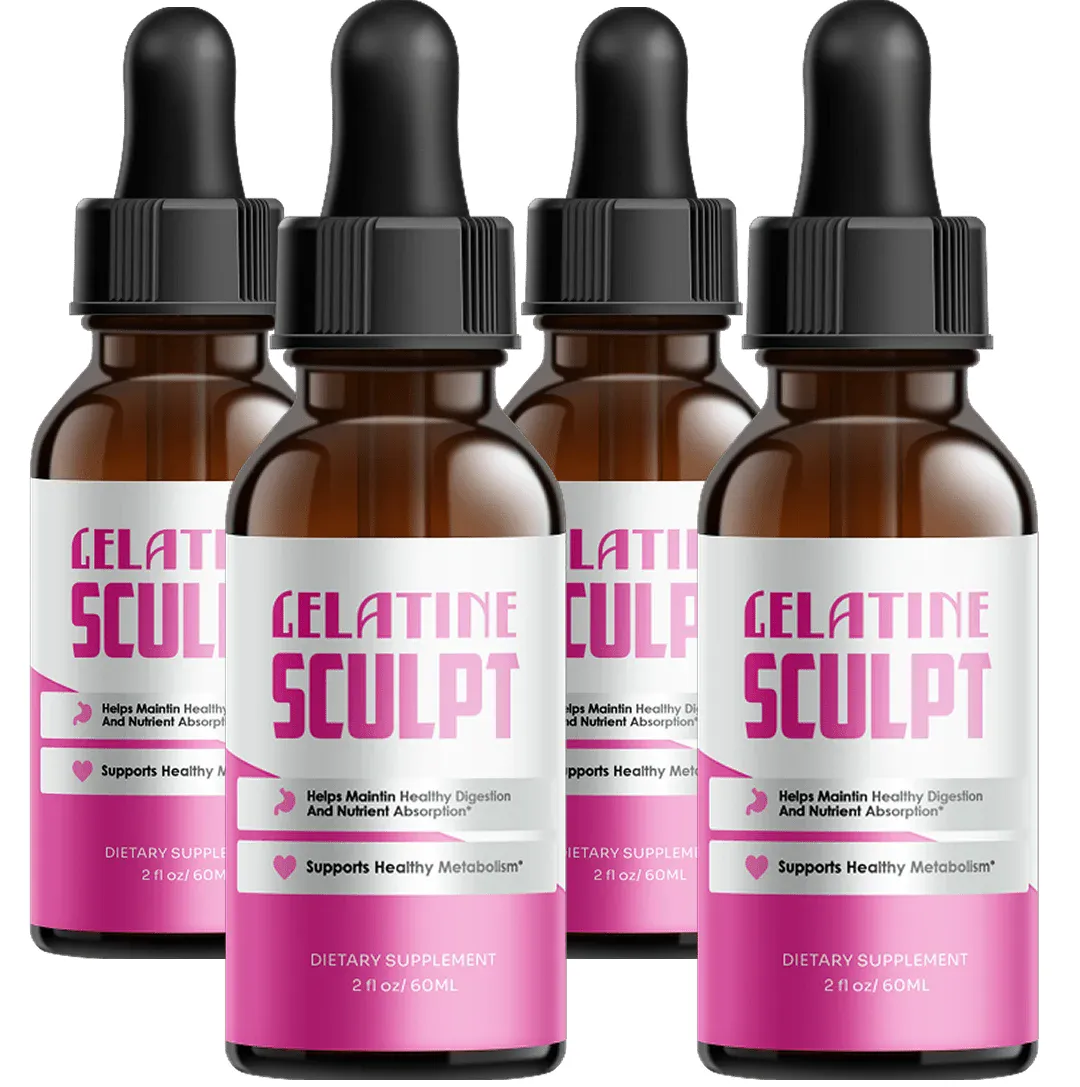
If you're interested in how specific ingredients can help, you might find our article on herbs and natural supplements for weight loss and sculpting insightful. For those seeking a convenient and natural way to support their body's efforts, a product like Gelatine Sculpt, formulated with ingredients to support satiety and metabolism, can be a beneficial addition to a comprehensive wellness plan. It works by helping to manage appetite and support your body's natural fat-burning processes, making it easier to stick to your goals.
You can also learn more about the science behind satiety and weight loss in our detailed explanation of how the gelatin trick works for weight loss and appetite control.
Key Ingredients for Hormonal & Metabolic Support
While Gelatine Sculpt focuses on a specific mechanism, many natural ingredients are recognized for their roles in supporting hormonal balance and metabolic health. Here are a few examples:

Collagen (Gelatin)
Role: Supports gut health, which is crucial for hormone metabolism. Promotes satiety and reduces appetite, indirectly aiding in insulin regulation and weight management. Helps maintain muscle mass.
5-10g daily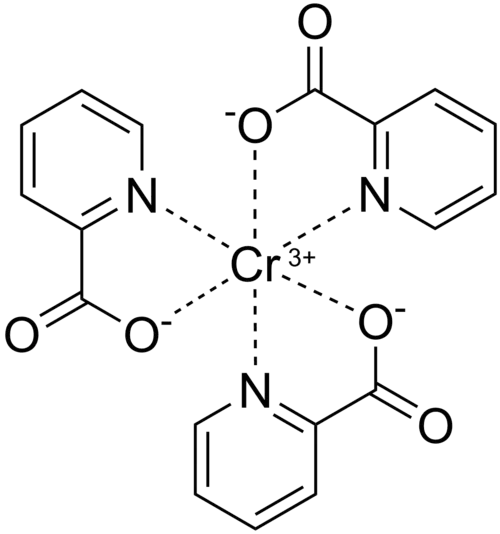
Chromium Picolinate
Role: Enhances the action of insulin, helping to regulate blood sugar levels and reduce sugar cravings. This can be vital for preventing insulin resistance and improving fat storage patterns.
200-1000mcg daily
Berberine
Role: A powerful plant alkaloid known for its ability to activate AMPK, an enzyme that regulates metabolism. It can significantly improve insulin sensitivity and help reduce fat storage, particularly visceral fat.
500-1500mg daily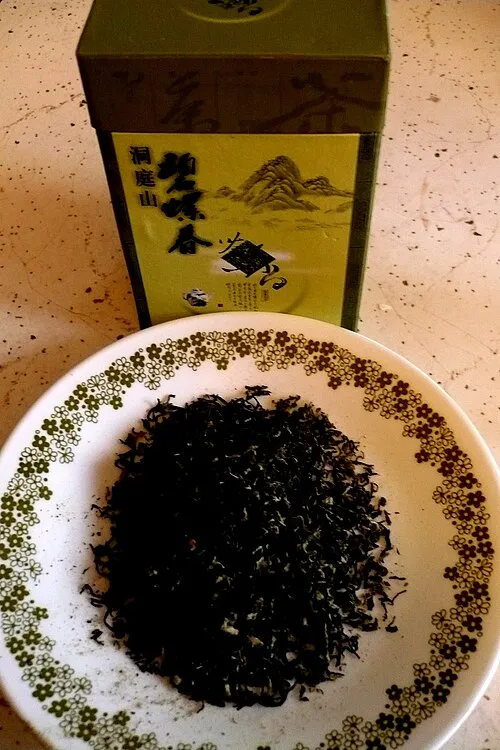
Green Tea Extract
Role: Rich in catechins, particularly EGCG, which can boost metabolism and enhance fat oxidation. It also provides antioxidant support and can contribute to overall metabolic health, indirectly supporting hormone function.
250-500mg daily
Maca Root
Role: An adaptogen that supports the body's ability to cope with stress, potentially helping to balance cortisol levels. It's also known to support energy, stamina, and endocrine function, aiding overall hormonal harmony.
1500-3000mg daily
Turmeric (Curcumin)
Role: A potent anti-inflammatory agent. Chronic inflammation can disrupt hormonal signaling and contribute to insulin resistance. Turmeric helps reduce systemic inflammation, supporting healthier metabolic and hormonal pathways.
500-2000mg daily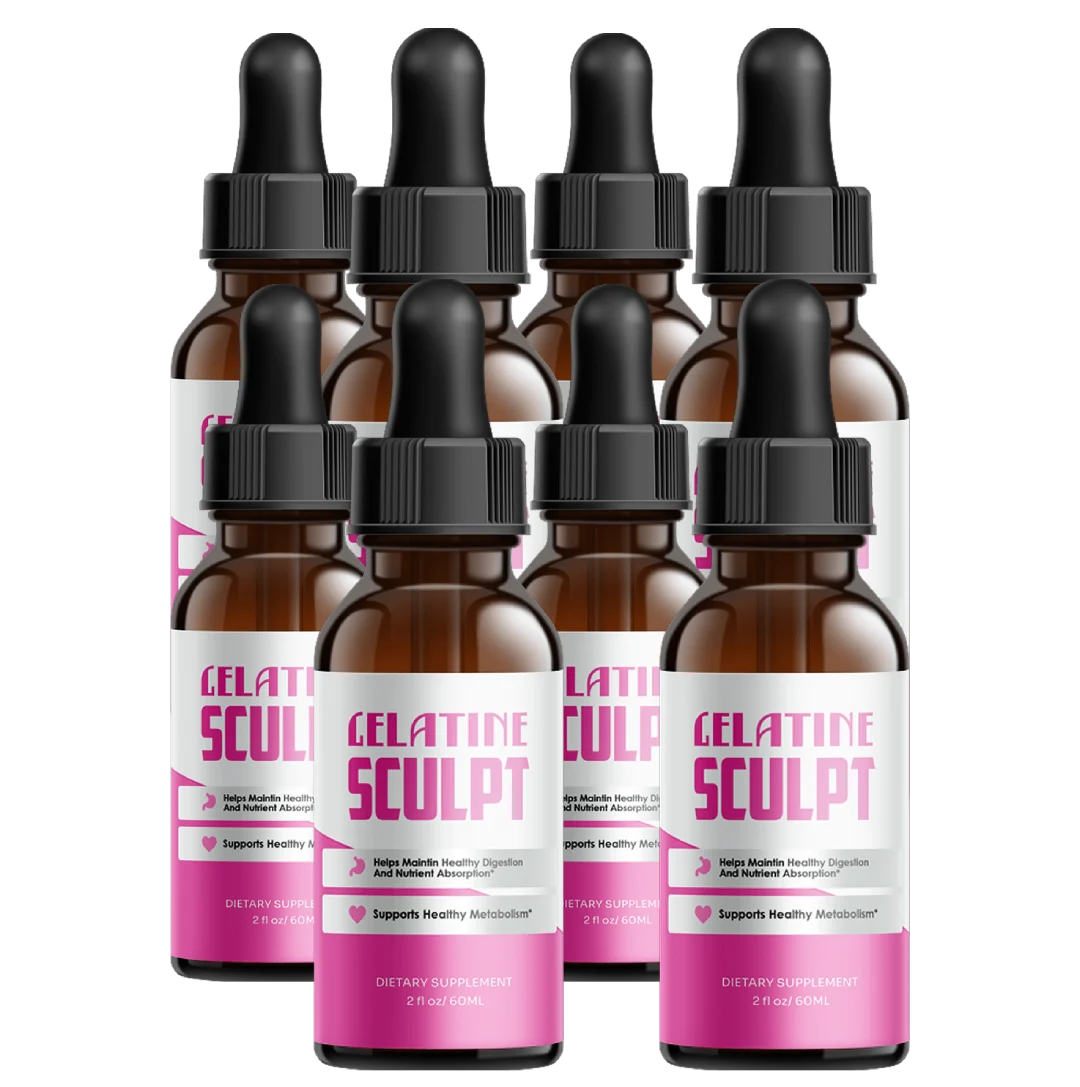
Ready to Take Control of Your Body Composition?
Gelatine Sculpt is designed to complement your efforts in achieving a healthier body composition by supporting natural satiety and metabolic balance. It's not a magic pill, but a powerful ally in your journey towards hormonal harmony and a more sculpted physique.
- ✓ Supports natural appetite control
- ✓ Aids in healthy metabolic function
- ✓ Formulated with natural, high-quality ingredients
- ✓ Manufactured in a GMP-certified facility
- ✓ Backed by a 60-day money-back guarantee


Real People, Real Results
"I've struggled with stubborn belly fat for years, despite consistent workouts. Once I understood the hormonal aspect and started incorporating supportive strategies, including Gelatine Sculpt, I finally saw changes. My energy is up, and my waistline is noticeably smaller!"
"Learning about how my hormones affect my weight was a game-changer. Gelatine Sculpt has been a fantastic addition to my new routine. I feel more in control of my appetite and my body feels more responsive to my efforts. Highly recommend this holistic approach!"
"As someone approaching menopause, the shifts in my body composition were disheartening. Gelatine Sculpt, combined with dietary changes and stress reduction, has made a real difference. I'm feeling lighter, less bloated, and more confident."
Frequently Asked Questions
How quickly can I see results from balancing my hormones?
+Hormonal balance is a gradual process that varies significantly from person to person. Factors like the severity of imbalance, consistency of lifestyle changes, and individual metabolism all play a role. While some individuals might notice subtle improvements in energy or mood within a few weeks of implementing dietary changes, stress reduction, and improved sleep, more significant changes in body weight or composition typically take several months. Sustained effort over 3-6 months is often necessary to see tangible and lasting results, as hormones need time to re-regulate. Patience and consistency are key.
Can diet alone fix hormonal imbalances related to weight?
+Diet plays a crucial, foundational role in addressing hormonal imbalances, but it's often not the sole solution. A nutrient-dense diet rich in whole foods, lean proteins, healthy fats, and fiber can profoundly impact insulin sensitivity, inflammation, and gut health – all critical for hormonal regulation. However, factors like chronic stress, insufficient sleep, lack of physical activity, and exposure to environmental toxins also significantly disrupt hormone function. For comprehensive and lasting results, a holistic approach that integrates diet with stress management, regular exercise, adequate sleep, and potentially targeted supplementation is usually most effective.
Are there specific exercises best for hormonal weight gain?
+For combating hormonal weight gain and improving body composition, a combination of strength training and high-intensity interval training (HIIT) is often recommended. Strength training helps build muscle mass, which boosts metabolism and improves insulin sensitivity, crucial for managing hormones like insulin and growth hormone. HIIT can be effective for fat loss and improving hormonal response due to its post-exercise calorie burn. Moderate cardio, like brisk walking or cycling, can also be beneficial for stress reduction (lowering cortisol) and overall cardiovascular health. The key is consistency and finding a balance that supports both physical and hormonal well-being without over-stressing the body.
What role does stress play in hormonal fat distribution?
+Stress plays a significant role in hormonal fat distribution, primarily through the release of cortisol, our body's primary stress hormone. When you experience chronic stress, your adrenal glands continuously pump out cortisol. Elevated cortisol levels signal your body to store fat, particularly in the abdominal area (visceral fat), which is metabolically active and linked to increased health risks. Cortisol can also increase appetite, promote sugar cravings, and disrupt other hormones like insulin, thyroid hormones, and sex hormones, further exacerbating weight gain and poor body composition. Managing stress is therefore paramount for healthy fat distribution.
Is Gelatine Sculpt suitable for everyone looking to balance hormones?
+Gelatine Sculpt is formulated with natural ingredients known to support metabolic function, satiety, and overall body composition. While it can be a valuable tool for many individuals seeking to complement their healthy lifestyle and support hormonal balance indirectly through improved metabolism and appetite control, it's not a direct hormone replacement therapy. It's always crucial to consult with a healthcare professional before starting any new supplement, especially if you have pre-existing medical conditions, are taking medications, or suspect a significant hormonal imbalance. They can provide personalized advice based on your specific health profile.
How does Gelatine Sculpt support healthy body composition?
+Gelatine Sculpt supports healthy body composition through a multi-faceted approach. Its core ingredients are designed to enhance satiety, helping to reduce overall calorie intake and curb cravings, which is vital for fat loss. It also contains compounds that support a healthy metabolism, allowing your body to burn fat more efficiently. By promoting a feeling of fullness and aiding metabolic rate, Gelatine Sculpt helps your body utilize stored fat for energy, contributing to a leaner physique and improved body composition. It's an excellent complement to a balanced diet and regular exercise regimen.
Related Articles