Is Your Sleep Sabotaging Your Weight Loss Efforts?
In the relentless pursuit of a healthier body, we often focus intensely on diet and exercise. We meticulously count calories, track macros, and push our limits at the gym. Yet, for many, the scales refuse to budge, or the desired changes in body composition remain elusive. What if a crucial, often overlooked, pillar of health is undermining all your hard work?
The answer lies in the profound, intricate relationship between sleep and your metabolic health. It's a connection far more significant than most realize, where adequate, restorative sleep is a cornerstone of effective weight management and achieving a lean, healthy body composition.

The Hidden Link: Sleep and Your Metabolism
For years, the conventional wisdom for weight management revolved primarily around "calories in, calories out." While diet and exercise are undeniably critical, emerging research, particularly in the field of nutritional health, highlights sleep as an equally vital, if not foundational, component. Ignoring your sleep hygiene can effectively negate even the most diligent efforts in the kitchen and gym, especially when addressing medical conditions like obesity and poor body composition.
Think of your body as a complex symphony, and sleep as the conductor. When the conductor is absent or performing poorly, the entire orchestra—including your metabolism, hormones, and energy levels—falls out of sync. This disruption doesn't just make you feel tired; it fundamentally alters your body's ability to burn fat, build muscle, and manage its energy stores efficiently. Understanding this connection is the first step towards truly transformative health.
💡 Key Takeaway
Sleep is not merely a period of rest, but an active process crucial for metabolic regulation, hormonal balance, and overall body composition. Neglecting it can undermine diet and exercise efforts, making weight management significantly harder.
Hormonal Havoc: How Sleep Deprivation Disrupts Balance
One of the most significant ways sleep impacts body composition is through its direct influence on hormone regulation. A night of poor sleep can send your endocrine system into disarray, creating a cascade of effects that promote fat storage and hinder fat loss.
Ghrelin and Leptin Imbalance
These two hormones are the primary regulators of appetite. Ghrelin, produced in the stomach, signals hunger, while leptin, produced by fat cells, signals satiety. When you don't get enough sleep, ghrelin levels tend to rise, making you feel hungrier, while leptin levels fall, meaning you don't feel full. This hormonal double-whammy leads to increased calorie intake and a greater likelihood of overeating.
Elevated Cortisol Levels
Sleep deprivation is a form of stress on the body. In response, your adrenal glands release more cortisol, often referred to as the "stress hormone." Chronically elevated cortisol levels are strongly linked to increased abdominal fat storage, reduced muscle mass, and impaired glucose metabolism. This makes it incredibly difficult to achieve a lean body composition, even with a strict diet.
Impaired Insulin Sensitivity
Insulin is a hormone vital for regulating blood sugar. When you're sleep-deprived, your body's cells can become less responsive to insulin, a condition known as insulin resistance. This means your pancreas has to produce more insulin to manage blood sugar, which can lead to higher circulating insulin levels. High insulin levels promote fat storage, especially around the midsection, and make it harder for your body to access stored fat for energy.
Reduced Growth Hormone Release
Growth hormone (GH) is predominantly released during deep sleep. It plays a crucial role in cell regeneration, muscle repair, and fat metabolism. Insufficient sleep can significantly suppress GH production, hindering your body's ability to build and maintain muscle mass while simultaneously making it harder to burn fat. This directly impacts your body composition, favoring fat accumulation over lean tissue.

Beyond Hormones: Appetite, Cravings, and Energy Levels
The impact of sleep extends beyond just hormonal balance, directly influencing your daily choices, energy expenditure, and even your motivation to stick to a healthy lifestyle. This can create a vicious cycle for those struggling with obesity and poor body composition.
When you're tired, your brain's prefrontal cortex, responsible for decision-making and impulse control, is impaired. Simultaneously, the amygdala, associated with reward-seeking behavior, becomes more active. This combination means you're more likely to crave high-calorie, sugary, and fatty foods, and less likely to resist them. Studies show that sleep-deprived individuals consume significantly more calories and make poorer food choices than those who are well-rested.
Furthermore, lack of sleep directly impacts your physical activity levels. You feel sluggish, less motivated to exercise, and your perceived exertion during workouts increases. This reduction in spontaneous physical activity (NEAT - Non-Exercise Activity Thermogenesis) and structured exercise means fewer calories burned throughout the day, contributing to a positive energy balance and weight gain. The energy needed for daily tasks, let alone a challenging workout, simply isn't there when your body hasn't had adequate time to recharge.
For more insights into how to naturally support your body's metabolic processes, read our article on how to improve weight management naturally.
The Vicious Cycle: Sleep Disorders and Weight Gain
Certain sleep disorders can exacerbate the challenges of weight management and body composition, creating a difficult cycle to break. Recognizing these conditions is crucial for effective intervention.
Sleep Apnea
Obstructive Sleep Apnea (OSA) is characterized by repeated pauses in breathing during sleep. This leads to fragmented sleep and chronic oxygen deprivation, which elevates stress hormones like cortisol and can worsen insulin resistance. OSA is strongly linked to obesity, and obesity, in turn, can worsen OSA. Treating sleep apnea often leads to improvements in weight management and metabolic health.
Insomnia
Chronic insomnia, the persistent difficulty falling or staying asleep, exposes the body to prolonged periods of stress. This can lead to the same hormonal imbalances (high ghrelin, low leptin, high cortisol) seen in short-term sleep deprivation, making weight loss incredibly challenging. The fatigue associated with insomnia also reduces physical activity and increases reliance on comfort foods.
Restless Legs Syndrome (RLS)
RLS, characterized by an irresistible urge to move the legs, especially at night, can severely disrupt sleep quality. The constant awakenings and inability to enter deep sleep stages can contribute to metabolic dysregulation, similar to other forms of sleep deprivation, making it harder to manage weight and maintain a healthy body composition.
Circadian Rhythm Disorders
Disruptions to the body's natural sleep-wake cycle, such as those experienced by shift workers or due to jet lag, can wreak havoc on metabolism. Our bodies are designed to operate on a 24-hour cycle, and when this is misaligned, it can impair glucose tolerance, increase inflammation, and alter hunger signals, contributing to weight gain and metabolic syndrome.
Strategies for Optimizing Sleep for Body Composition
The good news is that improving your sleep is an actionable step you can take to positively impact your body composition and overall health. It doesn't require drastic measures, but rather consistent, mindful efforts to prioritize rest.
Here are some effective strategies:
- Establish a Consistent Sleep Schedule: Go to bed and wake up at the same time every day, even on weekends. This helps regulate your body's natural circadian rhythm.
- Create a Relaxing Bedtime Routine: Wind down for 30-60 minutes before bed. This could include reading, a warm bath, gentle stretching, or meditation. Avoid stimulating activities like intense exercise or work.
- Optimize Your Sleep Environment: Ensure your bedroom is dark, quiet, and cool (ideally between 60-67°F or 15-19°C). Block out light with blackout curtains and minimize noise.
- Limit Screen Time Before Bed: The blue light emitted from phones, tablets, and computers can interfere with melatonin production, the hormone that signals sleepiness. Try to avoid screens for at least an hour before bedtime.
- Watch Your Diet and Drink Habits: Avoid heavy meals, excessive alcohol, and caffeine close to bedtime. While alcohol might make you feel drowsy, it disrupts sleep quality later in the night.
- Regular Physical Activity: Engage in regular exercise, but try to finish intense workouts at least a few hours before sleep. Exercise can improve sleep quality, but exercising too close to bedtime can be stimulating.
- Manage Stress: Chronic stress is a major sleep disruptor. Incorporate stress-reduction techniques like yoga, deep breathing exercises, or mindfulness into your daily routine.
- Consider Your Mattress and Pillows: Invest in a comfortable mattress and pillows that support good posture throughout the night.
Implementing even a few of these strategies can make a significant difference in your sleep quality, which in turn will support your efforts to achieve a healthier body composition. Remember, consistency is key.
Nutritional Support for Metabolic Health & Well-being
While lifestyle changes are paramount, certain nutrients and natural compounds can offer additional support for metabolic health, energy levels, and overall well-being, indirectly contributing to better body composition and a more conducive state for restful sleep. Gelatine Sculpt is a product designed with a blend of such ingredients, aiming to support your body's natural processes.

Hydrolyzed Collagen
Role: Collagen is the most abundant protein in the body, crucial for the health of skin, joints, and connective tissues. While not directly a sleep aid, supporting overall structural integrity and reducing discomfort can contribute to better sleep quality. It also provides amino acids that are beneficial for satiety and muscle maintenance, both important for body composition. For more on collagen, see our article on natural collagen foods and supplements for body composition.
Typical Dose: 5-20g daily
Berberine HCl
Role: Berberine is a powerful plant alkaloid renowned for its role in metabolic health. It helps support healthy blood glucose levels and insulin sensitivity, which are critical for preventing fat storage and improving body composition. By helping to stabilize blood sugar, berberine can reduce energy crashes and cravings, indirectly supporting consistent energy for activity and reducing nighttime hunger that can disrupt sleep.
Typical Dose: 500-1500mg daily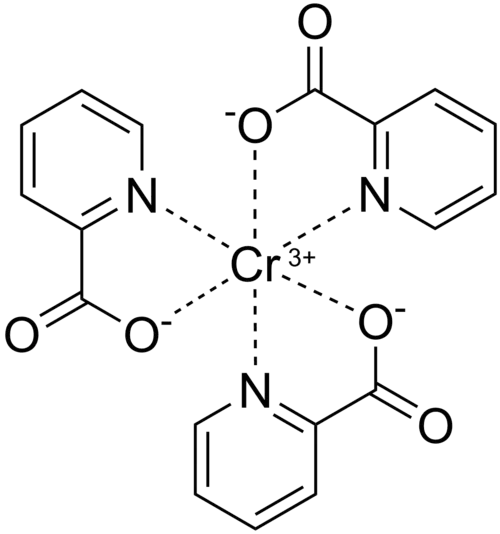
Chromium Picolinate
Role: Chromium is an essential trace mineral that plays a role in carbohydrate and lipid metabolism. Specifically, chromium picolinate is often used to enhance the action of insulin, which can improve glucose uptake by cells and help regulate blood sugar levels. This can lead to reduced sugar cravings and better energy management, supporting both weight management goals and reducing the likelihood of late-night snacking that can interfere with sleep.
Typical Dose: 200-1000mcg daily
Maca Root Powder
Role: Maca root, an adaptogenic herb, is traditionally used to enhance energy, stamina, and mood, and support hormonal balance. While it doesn't directly induce sleep, its adaptogenic properties can help the body manage stress, which is a common cause of sleep disruption. By supporting overall vitality and hormonal equilibrium, maca can create a more balanced internal environment, indirectly fostering better sleep and supporting a healthy metabolism.
Typical Dose: 1-3g dailyThese ingredients, among others, are carefully selected in products like Gelatine Sculpt to offer comprehensive support for individuals looking to improve their body composition and overall metabolic wellness. By addressing the underlying nutritional needs, such supplements can complement a holistic approach that includes good sleep, balanced nutrition, and regular exercise.
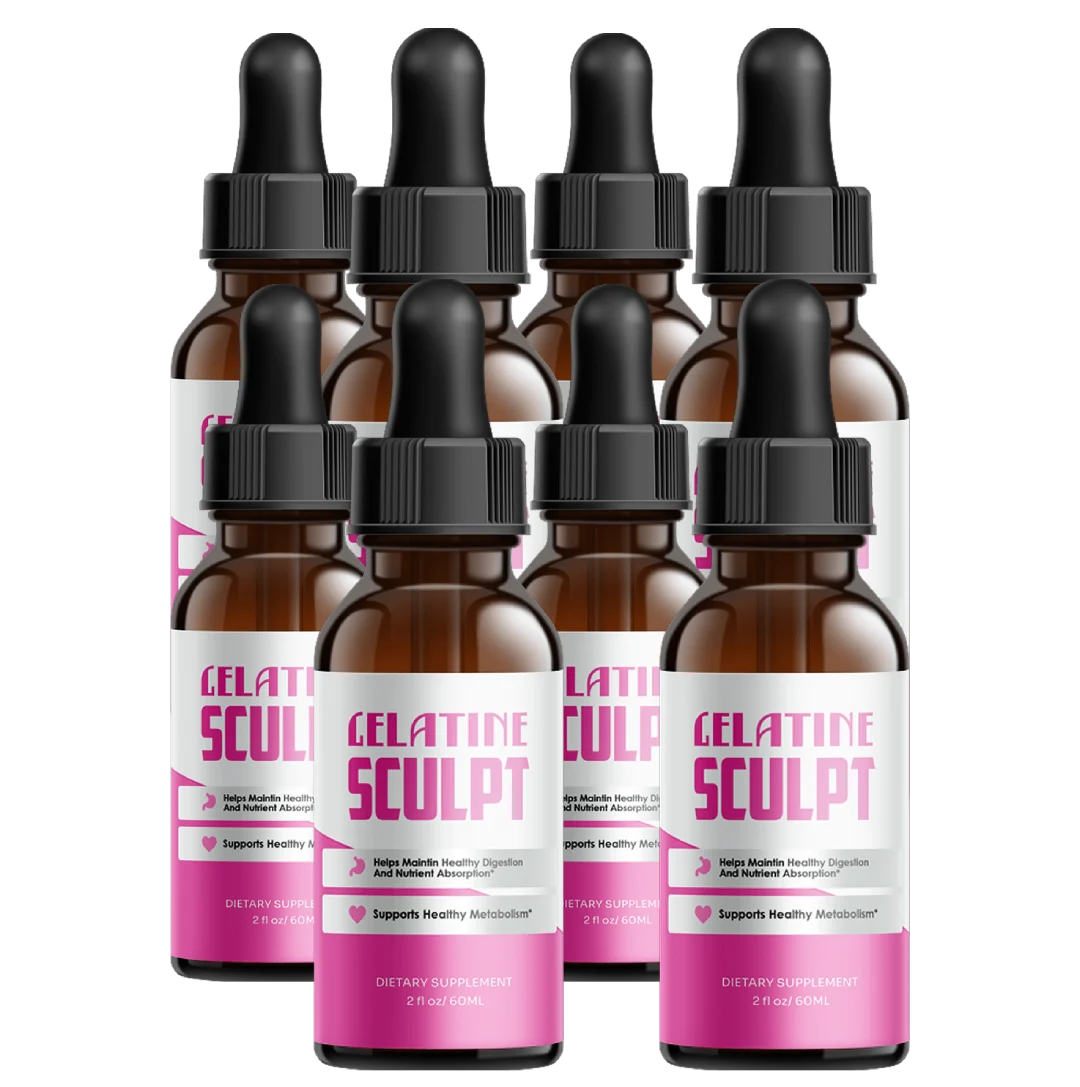
Reclaim Your Body Composition with Gelatine Sculpt
If you're serious about transforming your body composition, managing your weight effectively, and supporting your overall metabolic health, Gelatine Sculpt offers a cutting-edge solution. Our scientifically formulated blend of natural ingredients is designed to work synergistically with your body's innate mechanisms.
- ✓ Supports Healthy Glucose Metabolism
- ✓ Aids in Managing Cravings and Appetite
- ✓ Promotes Healthy Energy Levels Throughout the Day
- ✓ Contributes to Overall Well-being for a Balanced Lifestyle
- ✓ Formulated to Complement a Holistic Health Approach




What Our Customers Say
"I've struggled with my weight for years, always focusing on diet and exercise. Adding Gelatine Sculpt to my routine felt like the missing piece. My energy levels are more stable, cravings are reduced, and I'm finally seeing the changes in my body composition I've worked so hard for. Even my sleep feels more restorative!"
"As a busy professional, sleep often takes a backseat, and I noticed it impacting my waistline. Gelatine Sculpt didn't make me sleepy, but by supporting my metabolism, I felt less stressed about food and more balanced overall. This subtle shift has helped me stick to my healthy habits, and my body composition has improved significantly."
"I was skeptical at first, but the science behind the ingredients in Gelatine Sculpt convinced me to try it. I've noticed a real difference in how my body processes food and manages energy. It's not a magic pill, but it's been a powerful ally in my journey towards better health and a more toned physique. Highly recommend for anyone serious about managing their weight."
Frequently Asked Questions
How does sleep impact my weight and body composition?
+Sleep plays a profound role in regulating hormones like leptin and ghrelin, which control appetite and satiety. Insufficient sleep can disrupt this balance, leading to increased hunger, cravings for unhealthy foods, and reduced metabolic rate. It also affects insulin sensitivity and cortisol levels, promoting fat storage and hindering muscle growth, directly impacting your body composition.
What are the main hormones affected by sleep deprivation?
+Sleep deprivation significantly impacts several key hormones. Ghrelin, the 'hunger hormone,' increases, while leptin, the 'satiety hormone,' decreases, leading to increased appetite. Cortisol, the stress hormone, rises, promoting fat storage, especially around the abdomen. Insulin sensitivity can also decrease, making it harder for your body to process glucose effectively, and growth hormone, crucial for muscle repair, is often suppressed.
Can improving sleep actually help me lose fat and gain muscle?
+Absolutely. Prioritizing quality sleep can be as crucial as diet and exercise for body composition. Better sleep helps rebalance hunger hormones, reduce cravings, improve insulin sensitivity, and lower cortisol. It also optimizes growth hormone release, essential for muscle repair and growth, and boosts energy levels for more effective workouts. All these factors contribute to a more favorable environment for fat loss and muscle gain.
What's a good amount of sleep for adults aiming for better body composition?
+For most adults, 7-9 hours of quality sleep per night is recommended for optimal health, including body composition and weight management. Consistently getting within this range allows your body to perform essential metabolic and restorative processes, helping to regulate hormones, repair tissues, and maintain stable energy levels throughout the day.
How does Gelatine Sculpt support body composition and sleep?
+Gelatine Sculpt is formulated with natural ingredients known to support overall metabolic health, energy levels, and nutrient absorption, which are foundational for a healthy body composition. While not a direct sleep aid, by promoting systemic balance, supporting healthy glucose metabolism, and potentially reducing cravings, it can indirectly contribute to improved well-being and a more conducive environment for restful sleep, helping your body function optimally for weight management.
Are there other natural ways to improve sleep for weight management?
+Yes, many natural strategies can enhance sleep quality. Establishing a consistent sleep schedule, creating a relaxing bedtime routine, ensuring your bedroom is dark, quiet, and cool, avoiding caffeine and heavy meals before bed, and incorporating regular physical activity (earlier in the day) are all effective. Limiting screen time before bed and managing stress through mindfulness or meditation can also significantly improve sleep and, consequently, your weight management efforts.
Related Articles
