Are you ready to transform your body, shed stubborn fat, and build lasting strength?
For too long, the narrative around fat loss has been dominated by endless cardio and restrictive diets. While these play a role, they often fall short in delivering sustainable, transformative results, especially for individuals grappling with obesity and poor body composition. The truth is, to truly reshape your body and optimize your health, you need to go beyond the treadmill.
Enter strength training – a powerful, often underestimated tool that can turn your body into a metabolic powerhouse, burning fat more efficiently and building the lean muscle that defines a healthy, functional physique. This comprehensive guide will illuminate the science, benefits, and practical steps to harness strength training for a healthier, more sculpted you in 2026.
Beyond the Scale: Understanding Body Composition for True Health
Before we dive into the 'how,' it's crucial to understand the 'what.' When we talk about fat loss and a better body composition, we're not just talking about the number on the scale. That number can be misleading, as it doesn't differentiate between fat, muscle, bone, and water.
Body composition refers to the proportion of fat and fat-free mass (muscle, bone, water) in your body. A healthy body composition typically involves a lower percentage of body fat and a higher percentage of lean muscle mass. For individuals struggling with obesity, this balance is often skewed towards excessive body fat, which carries significant health risks including cardiovascular disease, type 2 diabetes, certain cancers, and joint problems. Improving body composition means actively reducing fat mass while preserving or increasing muscle mass. This is where strength training shines, offering a distinct advantage over solely focusing on weight loss, which can sometimes lead to muscle loss alongside fat loss, ultimately hindering long-term metabolic health.
💡 Key Takeaway
Focusing on body composition (reducing fat, increasing muscle) is more impactful for long-term health and sustainable fat loss than just chasing a lower number on the scale. Strength training is the most effective way to achieve this positive shift.
The Science of Strength Training for Fat Loss: Why It Works
The mechanism behind strength training's efficacy for fat loss is multifaceted and scientifically sound. It's not just about burning calories during your workout; it's about fundamentally changing your body's metabolic machinery.
Firstly, muscle tissue is metabolically active. This means that even at rest, your muscles burn significantly more calories than fat tissue. By increasing your lean muscle mass through strength training, you effectively elevate your basal metabolic rate (BMR). A higher BMR means your body burns more calories throughout the day, every day, even when you're sleeping or sitting. This creates a more favorable environment for sustained fat loss.
Secondly, strength training induces the Excess Post-exercise Oxygen Consumption (EPOC) effect, often called the "afterburn effect." After an intense weightlifting session, your body continues to burn calories at an elevated rate for hours, sometimes even up to 48 hours, as it works to repair muscle fibers, replenish energy stores, and return to a pre-exercise state. This contributes significantly to overall daily calorie expenditure, making your workouts work for you long after you've left the gym.
Thirdly, strength training has positive impacts on hormonal regulation. It can improve insulin sensitivity, which is crucial for managing blood sugar levels and preventing fat storage. It also helps regulate other hormones involved in appetite and metabolism, such as ghrelin and leptin, contributing to better hunger control and fewer cravings. For comprehensive insights into natural methods for managing body composition, you might find our article on Herbs and Natural Supplements for Weight Loss and Sculpting particularly useful.
Key Benefits of Incorporating Strength Training into Your Routine
Beyond fat loss, the advantages of strength training extend to numerous aspects of physical and mental well-being, making it a cornerstone of a healthy lifestyle.
Increased Metabolic Rate
As discussed, building muscle mass directly translates to a higher resting metabolism. This means your body becomes more efficient at burning calories 24/7, making it easier to maintain a calorie deficit necessary for fat loss without overly restrictive dieting. It transforms your body into a more efficient fat-burning machine.
Preservation of Lean Muscle Mass
When you lose weight through diet alone, a significant portion of that loss can come from muscle. Strength training ensures that during a calorie deficit, your body prioritizes burning fat for energy while preserving valuable muscle tissue. This is crucial for maintaining strength, preventing a metabolic slowdown, and achieving a toned physique.
Improved Insulin Sensitivity
Regular strength training enhances your body's ability to use insulin effectively, helping cells absorb glucose from the bloodstream more efficiently. This is vital for preventing blood sugar spikes, reducing the risk of type 2 diabetes, and minimizing fat storage, especially around the midsection. Better insulin sensitivity is a hallmark of metabolic health.
Enhanced Functional Strength & Mobility
Strength training doesn't just make you look good; it makes you stronger and more capable in everyday life. Lifting groceries, playing with children, climbing stairs – all become easier. It improves joint stability, balance, and overall mobility, reducing the risk of injury and supporting an active lifestyle as you age.
Better Bone Density
Weight-bearing exercises, a core component of strength training, stimulate bone formation and help maintain bone density. This is particularly important for preventing osteoporosis, a condition that makes bones brittle and prone to fractures, especially as we get older. Strong muscles support strong bones.
Boosted Mental Health & Confidence
The physical benefits are often complemented by significant psychological improvements. Strength training can reduce symptoms of anxiety and depression, improve mood, and boost self-esteem. Achieving strength goals and seeing physical changes can be incredibly empowering, fostering a sense of accomplishment and greater body confidence.
Getting Started: Principles of an Effective Strength Training Program
Embarking on a strength training journey can seem daunting, but with the right approach, it's accessible to everyone. Here are the core principles to guide your program design.
The foundation of any successful strength training program is progressive overload. This means continually challenging your muscles by gradually increasing the weight, repetitions, sets, or decreasing rest times. Without progressive overload, your muscles have no reason to adapt and grow stronger, and your fat loss efforts will plateau. Start with weights that allow you to maintain proper form for 8-12 repetitions, and once you can comfortably exceed that range, it's time to increase the resistance.
Focus on compound movements. These exercises engage multiple muscle groups and joints simultaneously, making them highly efficient for building overall strength and burning more calories. Examples include squats, deadlifts, bench presses, overhead presses, and rows. While isolation exercises (like bicep curls or tricep extensions) have their place, compound movements should form the backbone of your routine, especially when targeting fat loss and overall body composition improvement. Aim for 3-4 sets of 8-12 repetitions for most exercises.
Consistency is paramount. It's better to perform two to three strength training sessions per week consistently than to attempt five sessions sporadically. Allow adequate rest for muscle recovery and growth – typically 48-72 hours for a muscle group before working it intensely again. Remember, muscles grow outside the gym, during recovery periods. Prioritizing recovery is as important as the workout itself. For more advice on preventing common pitfalls in your health journey, explore our article on Prevention Tips for Obesity and Poor Body Composition.
Nutrition: The Unsung Hero in Body Transformation
You can't out-train a bad diet. Nutrition plays an equally, if not more, critical role in fat loss and body composition than exercise. To support your strength training efforts and achieve your goals, your plate needs to be as carefully planned as your workout.
Protein intake is crucial. Protein is the building block of muscle, and consuming enough is essential for muscle repair and growth. Aim for 1.6-2.2 grams of protein per kilogram of body weight daily, distributed across your meals. Good sources include lean meats, poultry, fish, eggs, dairy, and plant-based options like legumes and tofu. Adequate protein also helps with satiety, reducing overall calorie intake.
Complex carbohydrates provide the energy needed for intense workouts and replenish glycogen stores. Focus on whole grains, fruits, and vegetables. Timing your carbohydrate intake around your workouts can be beneficial, consuming some before and after exercise. Don't fear carbohydrates; they are your fuel. Likewise, healthy fats from sources like avocados, nuts, seeds, and olive oil are vital for hormone production, nutrient absorption, and overall health. They also contribute to satiety.
Finally, maintaining a slight but consistent calorie deficit is necessary for fat loss. This means consuming slightly fewer calories than your body burns. However, avoid drastic cuts, as this can lead to muscle loss and metabolic slowdown. Hydration is also paramount; drink plenty of water throughout the day to support metabolic processes, performance, and overall health. For those exploring plant-based options for weight management, our article on Plant-Based Weight Management Supplements offers valuable insights.
Pillars of Success: Building a Sustainable Fat Loss Strategy
Consistency is Key
Show up, even on days you don't feel like it. Regularity in both your training and nutrition is far more effective than sporadic bursts of intense effort. Make it a habit, and the results will follow.
Master Proper Form
Prioritize correct exercise technique over heavy weights. Poor form leads to injury and ineffective muscle stimulation. Start light, watch videos, consider a coach, and build a strong foundation.
Fuel Your Body Right
Your diet fuels your workouts and recovery. Focus on whole, unprocessed foods, adequate protein, and balanced macros. Nutrition is 80% of the battle for body composition.
Prioritize Recovery
Muscles grow stronger outside the gym. Ensure you get 7-9 hours of quality sleep, manage stress, and incorporate rest days. Overtraining hinders progress and increases injury risk.
The Role of Supplements in Optimizing Body Composition
While diet and exercise form the bedrock of any successful fat loss and body composition strategy, certain natural supplements can play a supportive role. They are not magic pills but can help bridge nutritional gaps, enhance metabolic efficiency, and support recovery when used judiciously.
For individuals targeting obesity and seeking to improve their body composition, the right supplements can provide an edge. Look for ingredients known to support metabolism, energy levels, and healthy blood sugar regulation. These can help optimize your body's natural fat-burning processes and ensure you have the vitality needed for consistent strength training. It's about giving your body the best possible environment to thrive and adapt to your new, healthier lifestyle.
Gelatine Sculpt: A Natural Ally for Your Body Transformation Journey
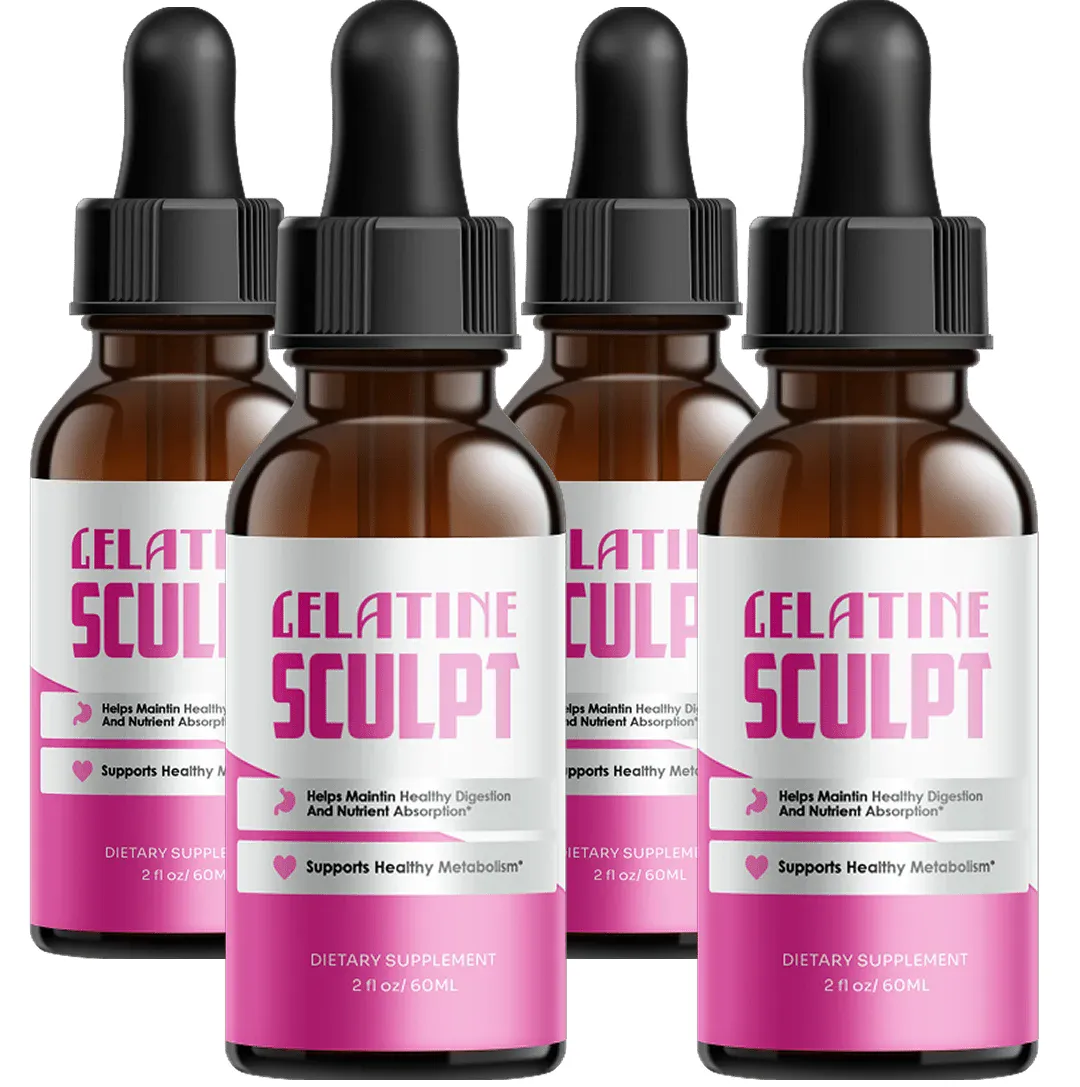
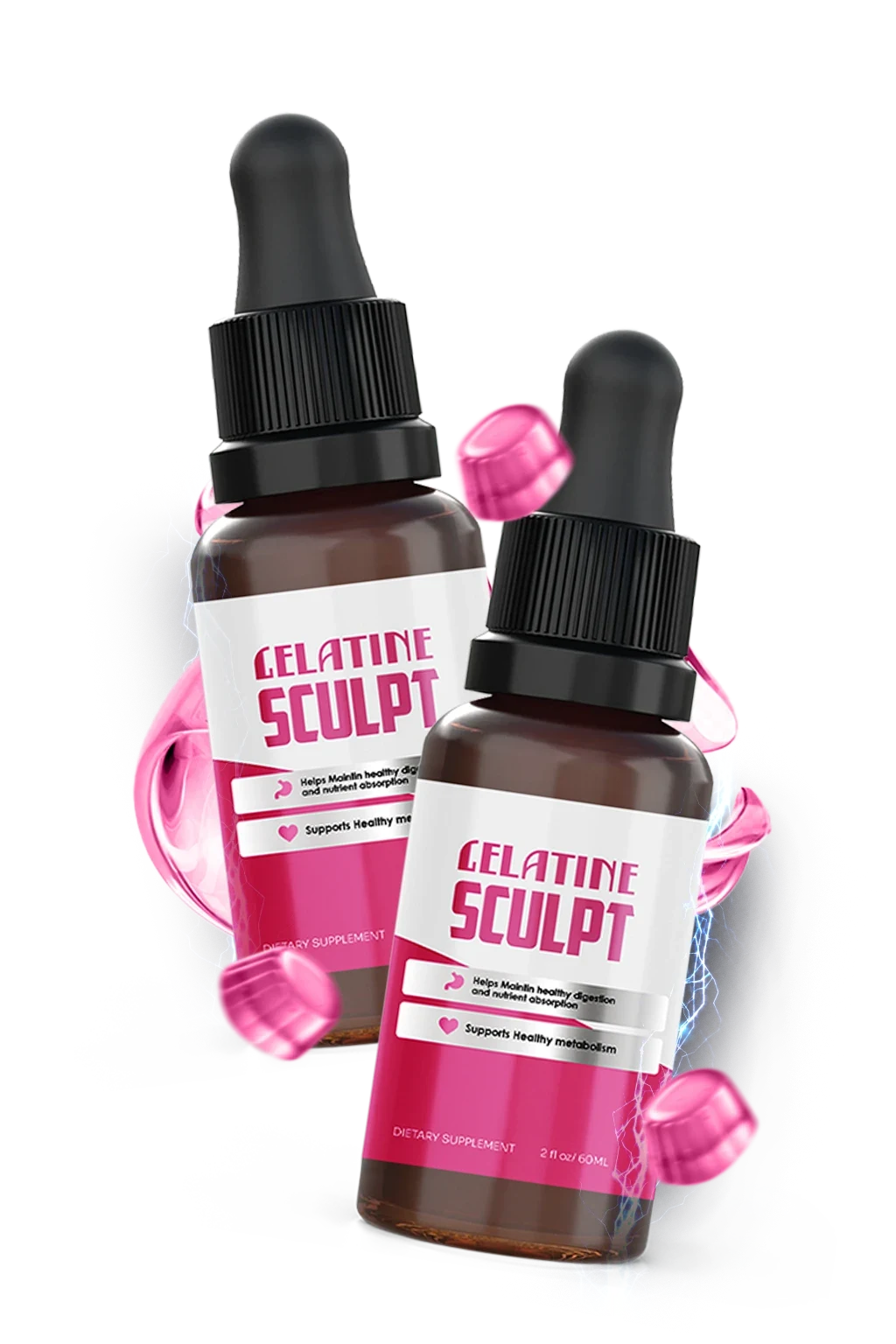
Gelatine Sculpt is a natural dietary supplement designed to complement your strength training and healthy eating efforts. It's formulated with a blend of ingredients chosen for their potential roles in supporting metabolism, energy, and overall body composition. It's not a replacement for hard work, but a synergistic partner to help you achieve your goals more effectively.

Collagen
Role: Supports skin elasticity, joint health, and muscle repair. Essential for maintaining the integrity of connective tissues, which is crucial during intense training, and contributes to a smoother, more toned appearance as fat is lost.
5-10g per serving
Berberine
Role: Known for its potential to support healthy blood sugar levels and improve insulin sensitivity. This can help regulate metabolism and reduce fat storage, particularly beneficial for individuals managing obesity.
500-1500mg daily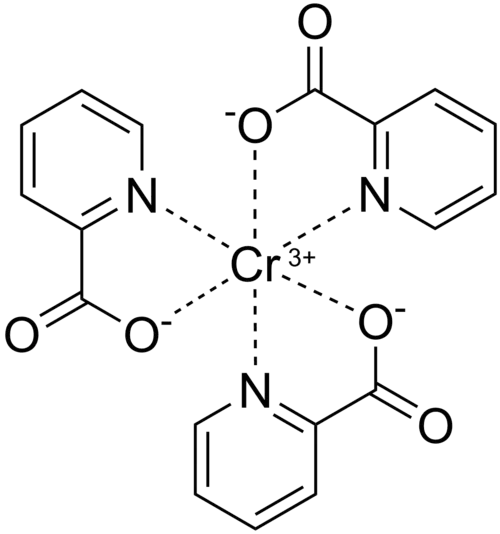
Chromium Picolinate
Role: A trace mineral that may enhance the action of insulin, potentially improving glucose metabolism and reducing cravings for carbohydrates and sugars, aiding in dietary adherence for fat loss.
200-1000mcg daily
Green Tea Extract
Role: Rich in catechins, particularly EGCG, which are powerful antioxidants. It's known to boost metabolism and enhance fat oxidation (the burning of fat for energy), especially during exercise.
250-500mg daily
Maca Root
Role: An adaptogen that can help balance hormones, increase energy, and improve endurance. It supports overall vitality, which can be crucial for maintaining workout consistency and managing stress during a fat loss journey.
1500-3000mg daily
Turmeric
Role: Contains curcumin, a potent anti-inflammatory compound. It can aid in recovery by reducing exercise-induced muscle soreness and inflammation, allowing for more consistent and effective training sessions.
500-1000mg daily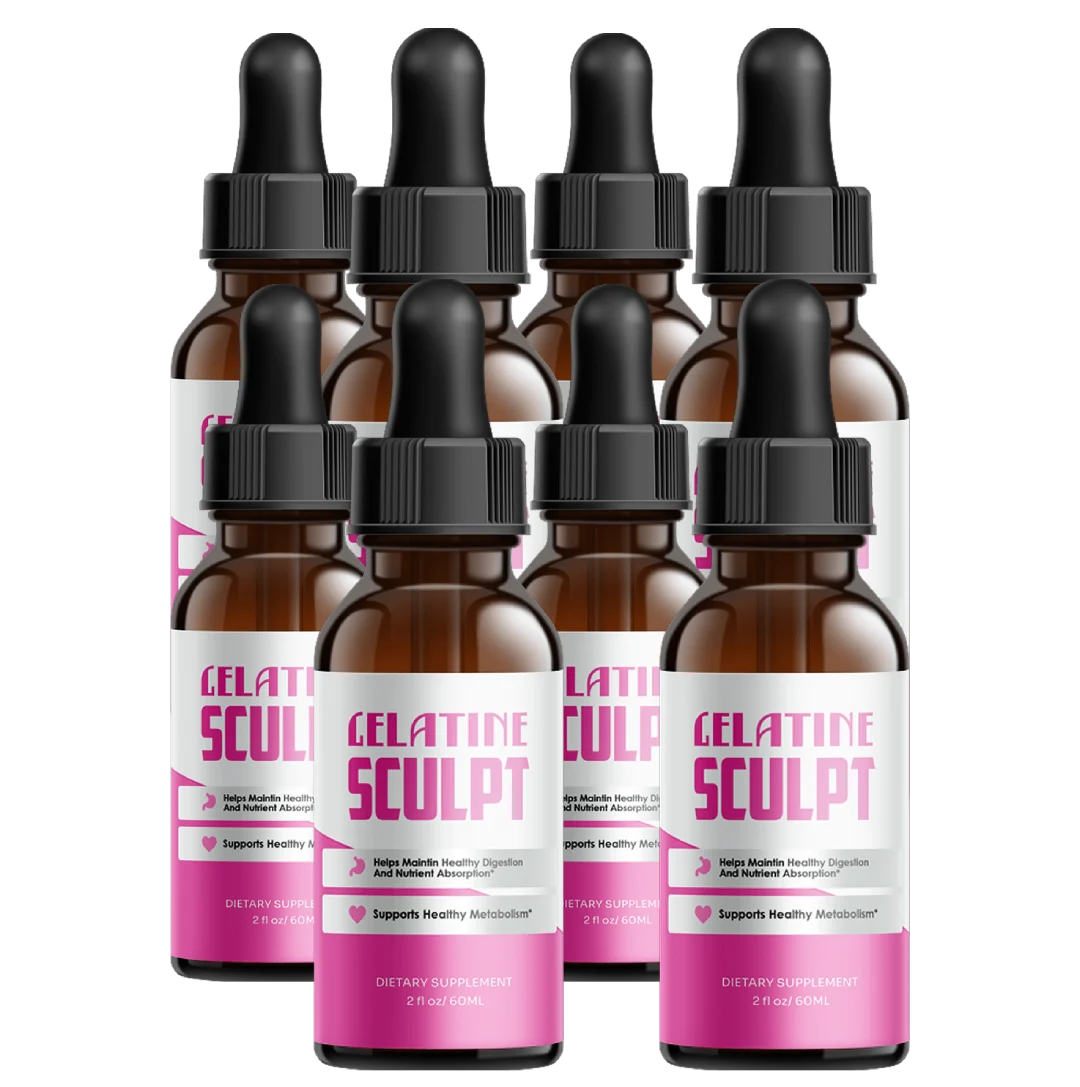
Ready to Sculpt Your Best Self? Try Gelatine Sculpt Today!
Take the next step in your body transformation journey with Gelatine Sculpt. Our expertly formulated supplement is designed to work synergistically with your strength training and nutritional efforts, helping you achieve your fat loss and body composition goals faster and more efficiently.
- ✓ Supports healthy metabolism and fat burning
- ✓ Enhances energy and vitality for workouts
- ✓ Aids in maintaining lean muscle mass
- ✓ Promotes healthy blood sugar levels
- ✓ Made with 100% natural, scientifically-backed ingredients


Hear From Our Satisfied Customers
"I combined Gelatine Sculpt with my new weightlifting routine, and the results are incredible! My energy levels are up, I'm recovering faster, and I've finally started seeing real muscle definition. This has been a game-changer for my body composition."
"After years of only cardio, I started strength training, and Gelatine Sculpt gave me the extra boost I needed. My stubborn belly fat is finally shrinking, and I feel stronger and more toned than ever. Highly recommend!"
"I was skeptical, but Gelatine Sculpt truly complements my fitness goals. I've noticed better metabolic support and less muscle soreness, allowing me to push harder in my workouts. It's an essential part of my daily regimen now."
Frequently Asked Questions
Why is strength training often considered more effective than just cardio for fat loss?
+While cardio burns calories during the workout, strength training builds muscle mass. Muscle tissue is metabolically active, meaning it burns more calories at rest than fat tissue. This boosts your basal metabolic rate (BMR), leading to greater overall calorie expenditure throughout the day, even when you're not exercising. Additionally, strength training causes an 'afterburn effect' (EPOC), where your body continues to burn calories at an elevated rate for hours post-workout to recover and repair muscles.
How often should I strength train for optimal fat loss and body composition improvements?
+For most individuals, aiming for 2-4 strength training sessions per week is ideal. Beginners might start with 2-3 full-body workouts, while more experienced lifters can benefit from 3-4 sessions, potentially using a split routine (e.g., upper/lower body). Consistency is key, allowing adequate recovery time (48-72 hours) for muscle groups between sessions to prevent overtraining and promote growth.
Will strength training make me 'bulky,' especially as a woman?
+This is a common misconception, particularly among women. Building significant muscle mass (the kind that looks 'bulky') requires very specific training protocols, extremely high calorie intake, and often, genetic predispositions or hormonal support that most women do not naturally possess. Women have much lower levels of testosterone, the primary hormone responsible for large muscle growth. Strength training will primarily help you develop a toned, lean physique, improve strength, and enhance your body's natural curves, not make you disproportionately muscular.
How long does it typically take to see noticeable results from strength training for fat loss?
+Results vary greatly depending on individual factors like starting body composition, consistency, diet, and genetics. However, many people begin to notice improvements in strength within a few weeks. Visible changes in body composition (reduced fat, increased muscle definition) usually start to appear within 8-12 weeks of consistent training and a supportive diet. Significant transformations can take 6 months to a year or more. Patience and consistency are paramount.
Is Gelatine Sculpt suitable for beginners new to strength training?
+Yes, Gelatine Sculpt is designed to support individuals at all stages of their body transformation journey, including beginners. Its natural ingredients are formulated to support metabolism, energy levels, and overall well-being, which can be particularly beneficial when starting a new exercise routine. As with any supplement, it's always recommended to consult with a healthcare professional before beginning, especially if you have pre-existing health conditions or are taking other medications.
Can I take Gelatine Sculpt if I have a medical condition or am on medication?
+While Gelatine Sculpt is made with natural ingredients, it is crucial to consult your doctor or a qualified healthcare professional before taking any new supplement, especially if you have an existing medical condition (such as obesity, diabetes, heart disease, etc.) or are currently taking prescription medications. Your doctor can assess potential interactions and ensure it is safe and appropriate for your specific health profile.
Related Articles