Struggling with stubborn weight gain despite your best efforts?
You're not alone. Millions of individuals face persistent challenges with weight management, often finding that traditional diets and exercise routines yield minimal or temporary results. This frustration can be deeply disheartening, leading many to believe that their metabolism is simply "broken" or that they lack the willpower to achieve their health goals.
However, the root of this struggle often lies deeper than just calorie intake or activity levels. A significant, yet frequently overlooked, factor is insulin resistance – a metabolic condition that fundamentally alters how your body handles energy, stores fat, and influences your overall body composition. Understanding this crucial connection is the first step towards unlocking sustainable weight loss and improved health.

What is Insulin Resistance, and Why Does it Matter for Your Weight?
Insulin resistance is a state where your body's cells, particularly those in muscles, fat, and liver, don't respond well to insulin. This critical hormone, produced by the pancreas, is responsible for regulating blood sugar levels by signaling cells to absorb glucose from the bloodstream for energy or storage.
When cells become resistant, they require more insulin to perform the same job. Your pancreas, in an attempt to keep blood sugar levels normal, works overtime, producing ever-increasing amounts of insulin. This creates a vicious cycle: high insulin levels contribute to more insulin resistance, and both contribute significantly to weight gain and make weight loss incredibly difficult.
The core problem with insulin resistance, particularly concerning obesity and poor body composition, is insulin's role as a *storage hormone*. When insulin levels are persistently high, your body receives a constant signal to store energy – primarily as fat. This isn't just about storing more fat; it also makes it harder for your body to release stored fat for energy, essentially locking fat away. This can lead to increased visceral fat (fat around organs), which is particularly detrimental to health and contributes to a "pear" or "apple" body shape, indicative of poor body composition.
💡 Key Takeaway
Insulin resistance is a metabolic dysfunction where cells ignore insulin's signal, forcing the pancreas to overproduce it. High insulin levels promote fat storage, especially around the abdomen, making weight loss challenging and worsening obesity and body composition.
The Hidden Causes of Insulin Resistance and Stubborn Weight
Understanding the causes of insulin resistance is crucial for developing effective strategies to combat it. It's rarely a single factor but rather a complex interplay of lifestyle, genetics, and environmental influences.
One of the primary drivers is a diet high in refined carbohydrates and sugary foods. When you consume these foods, your blood sugar spikes rapidly, prompting a large release of insulin. Over time, this constant demand on the pancreas and frequent insulin surges can desensitize your cells, leading to resistance. Think about the pervasive presence of added sugars in processed foods, sugary drinks, and even seemingly healthy snacks – these are silent contributors to the problem.
A sedentary lifestyle is another major culprit. Physical activity, particularly muscle contraction, helps cells absorb glucose from the bloodstream even without insulin. When you're inactive, your muscles become less efficient at this process, exacerbating insulin resistance. Lack of regular exercise also reduces overall energy expenditure, directly contributing to weight gain and the accumulation of fat that can further fuel insulin resistance.
Chronic stress also plays a significant role. When you're stressed, your body releases hormones like cortisol, which can increase blood sugar levels. This, in turn, requires more insulin, pushing you further towards resistance. Poor sleep quality and insufficient sleep also disrupt hormone balance, including insulin sensitivity and hunger-regulating hormones like leptin and ghrelin, making you more prone to cravings and weight gain.
While genetics can predispose some individuals to insulin resistance, it's important to remember that lifestyle factors often act as the trigger. Family history might mean you need to be more vigilant, but it doesn't seal your fate. Other factors like certain medications, hormonal imbalances (e.g., PCOS), and even exposure to environmental toxins can also contribute to the development of insulin resistance and subsequent difficulties in managing weight and improving body composition.
Recognizing the Signs: Are You Insulin Resistant?
Insulin resistance often develops silently over years, with subtle symptoms that can easily be dismissed or attributed to other causes. However, recognizing these signs early can empower you to take proactive steps.
Persistent Weight Gain, Especially Abdominal Fat
This is one of the most common and frustrating symptoms. Despite diet and exercise efforts, you may find it incredibly difficult to lose weight, particularly around your midsection. This is due to insulin's fat-storage effect.
Constant Cravings and Increased Hunger
Because your cells aren't effectively absorbing glucose for energy, your body thinks it's starving, leading to intense cravings for sugary or high-carb foods. This creates a cycle of eating, blood sugar spikes, and further insulin release.
Fatigue and Low Energy Levels
Despite consuming food, your cells aren't getting the energy they need. This can manifest as chronic tiredness, especially after meals, and a general lack of vitality throughout the day.
Brain Fog and Difficulty Concentrating
Fluctuating blood sugar levels and impaired energy delivery to brain cells can lead to cognitive issues, including difficulty focusing, memory problems, and a general feeling of mental sluggishness.
Skin Changes (Acanthosis Nigricans)
Darkened, velvety patches of skin, typically in the armpits, groin, or neck folds, are a strong indicator of high insulin levels and insulin resistance. Skin tags are also often associated.
High Blood Pressure and Cholesterol
Insulin resistance is a key component of metabolic syndrome, which often includes elevated blood pressure, unhealthy cholesterol profiles (high triglycerides, low HDL), and increased risk of cardiovascular disease.
If you experience several of these symptoms, it's advisable to consult with a healthcare professional. They can conduct tests such as fasting insulin, fasting glucose, and HbA1c to provide a definitive diagnosis and guide you toward appropriate interventions. Early detection is crucial for preventing the progression to prediabetes and type 2 diabetes, as well as addressing obesity and improving overall body composition.

Natural Solutions for Improving Insulin Sensitivity and Managing Weight
The good news is that insulin resistance is largely reversible through dedicated lifestyle changes. By addressing the root causes, you can significantly improve your body's response to insulin, facilitate healthy weight loss, and enhance your overall well-being. This comprehensive approach focuses on diet, exercise, stress management, sleep, and targeted nutritional support.
1. Dietary Overhaul: Eating for Insulin Sensitivity
Your diet is arguably the most powerful tool for combating insulin resistance. The goal is to stabilize blood sugar and reduce the demand for insulin. This means prioritizing:
- Whole, Unprocessed Foods: Focus on fresh vegetables, lean proteins (chicken, fish, eggs, legumes), healthy fats (avocado, nuts, seeds, olive oil), and complex carbohydrates (quinoa, brown rice, whole oats) in moderation.
- Low Glycemic Index (GI) Foods: Choose foods that cause a slower, more gradual rise in blood sugar. This includes most non-starchy vegetables, berries, and nuts.
- High Fiber Intake: Fiber slows down sugar absorption, helps you feel full, and supports gut health, which is linked to insulin sensitivity. Incorporate leafy greens, chia seeds, flaxseeds, and legumes.
- Eliminate Added Sugars and Refined Carbs: These are the biggest culprits. Cut out sugary drinks, pastries, white bread, pasta, and processed snacks. Read labels carefully, as sugar hides in many products.
- Healthy Fats: Incorporate monounsaturated and polyunsaturated fats (found in avocados, nuts, seeds, fatty fish) which can improve insulin signaling and reduce inflammation.
Consider meal timing strategies like intermittent fasting, which can give your pancreas a break and improve insulin sensitivity over time. However, always consult a healthcare professional before making drastic dietary changes, especially if you have underlying health conditions.
2. Embrace Regular Physical Activity
Exercise is a potent medicine for insulin resistance and a cornerstone of effective weight management. It works by:
- Increasing Glucose Uptake: Muscles use glucose for energy during and after exercise, directly lowering blood sugar levels and reducing the need for insulin.
- Improving Insulin Receptor Sensitivity: Regular activity makes your cells more responsive to insulin.
- Building Muscle Mass: More muscle tissue means more places for glucose to be stored, improving metabolic health and boosting your resting metabolism, which aids in fat loss.
- Reducing Visceral Fat: Exercise, particularly a combination of cardio and strength training, is highly effective at reducing harmful visceral fat.
Aim for at least 150 minutes of moderate-intensity aerobic exercise (like brisk walking, jogging, cycling, or swimming) per week, combined with 2-3 sessions of strength training. Even short bursts of activity throughout the day can make a difference. For more detailed guidance on effective workouts, you might find our article on exercises for improving body composition and losing fat helpful.
3. Prioritize Quality Sleep
Sleep deprivation wreaks havoc on your hormones, including those that regulate blood sugar and appetite. Poor sleep increases cortisol (stress hormone) and ghrelin (hunger hormone) while decreasing leptin (satiety hormone), all of which contribute to insulin resistance, increased cravings, and weight gain. Aim for 7-9 hours of quality sleep per night. Establish a consistent sleep schedule, create a relaxing bedtime routine, and optimize your sleep environment.
4. Manage Stress Effectively
Chronic stress keeps your body in a "fight or flight" mode, leading to elevated cortisol levels. As mentioned, cortisol increases blood sugar, demanding more insulin. Find healthy ways to manage stress, such as meditation, yoga, deep breathing exercises, spending time in nature, or engaging in hobbies you enjoy. Reducing stress not only helps insulin sensitivity but also prevents emotional eating, a common contributor to weight gain.
5. Targeted Nutritional Support: Bridging the Gap
While diet and lifestyle are foundational, certain natural compounds and supplements can offer additional support for improving insulin sensitivity and aiding in weight management. These are not magic pills but can act as powerful allies in your journey towards better metabolic health. For a broader look at natural remedies, consider exploring natural weight management and relief remedies.
Key Ingredients for Metabolic Support & Weight Management
When seeking natural support, certain ingredients stand out for their clinically studied benefits in metabolic health. Gelatine Sculpt incorporates a blend of these powerful compounds, designed to work synergistically to support insulin sensitivity, healthy blood sugar, and fat metabolism.

Berberine HCl
Role: A potent alkaloid known for its ability to activate AMPK, a key enzyme that regulates metabolism. It helps improve insulin sensitivity, reduce glucose production in the liver, and enhance glucose uptake by cells, mimicking the effects of exercise.
500-1500mg daily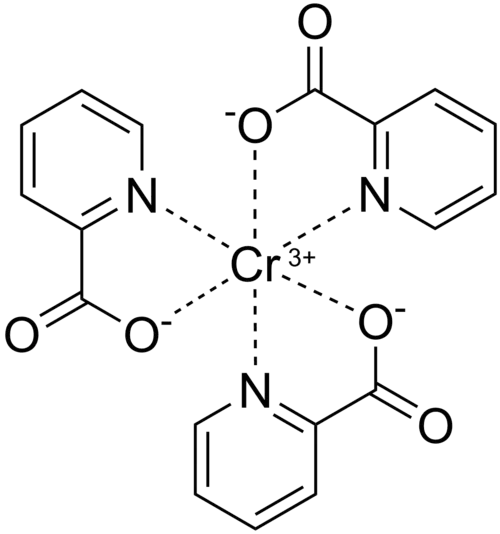
Chromium Picolinate
Role: An essential trace mineral that enhances the action of insulin, helping it to bind more effectively to cells. This can lead to improved glucose metabolism, reduced cravings, and better regulation of blood sugar levels.
200-1000mcg daily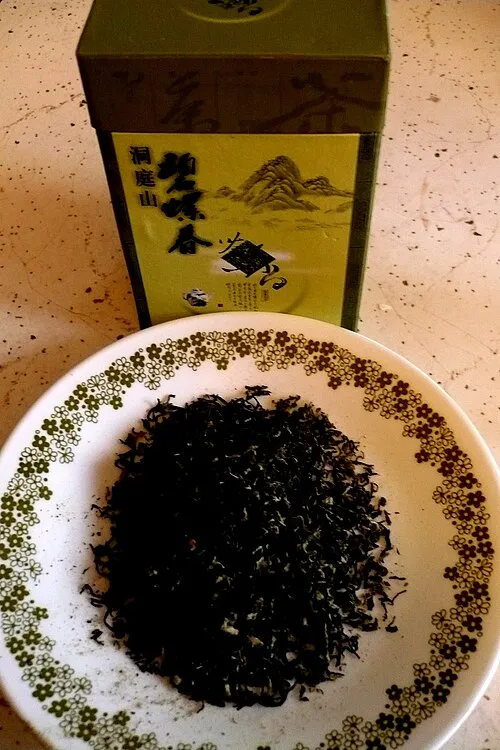
Green Tea Extract (EGCG)
Role: Rich in antioxidants, particularly EGCG, which has been shown to boost metabolism, enhance fat oxidation, and potentially improve insulin sensitivity. It can also contribute to weight loss by increasing thermogenesis.
250-500mg daily
Maca Root
Role: An adaptogenic herb that supports hormonal balance, energy levels, and mood. While not directly impacting insulin, its ability to reduce stress and improve energy can indirectly support better metabolic function and adherence to healthy habits.
1500-3000mg daily
Turmeric (Curcumin)
Role: Contains curcumin, a powerful anti-inflammatory and antioxidant compound. Chronic inflammation is linked to insulin resistance. Turmeric can help reduce inflammation, potentially improving insulin signaling and overall metabolic health.
500-1000mg daily
Hydrolyzed Collagen
Role: Provides essential amino acids that support gut health, joint health, and skin elasticity. While not a direct insulin sensitizer, a healthy gut microbiome can influence metabolic health, and its protein content can aid satiety and muscle maintenance.
10-20g dailyThese ingredients, when combined with a healthy lifestyle, can offer a powerful advantage in the fight against insulin resistance and the journey towards a healthier body composition. Gelatine Sculpt is formulated to harness the synergistic benefits of such ingredients to provide comprehensive metabolic support.

Unlock Your Metabolic Potential with Gelatine Sculpt
Gelatine Sculpt is a premium nutritional supplement designed to support healthy blood sugar levels, enhance insulin sensitivity, and promote natural weight management. Formulated with clinically-backed ingredients, it's your partner in achieving better metabolic health and a healthier body composition.
- Supports healthy blood sugar balance
- Enhances natural insulin sensitivity
- Promotes healthy fat metabolism and weight management
- Boosts energy levels and reduces cravings
- Made with 100% natural, scientifically-backed ingredients



Real People, Real Results
"I've struggled with my weight for years, always feeling tired and craving sweets. Since starting Gelatine Sculpt, my energy is up, my cravings are down, and I've finally started seeing the scale move. It feels like my metabolism is finally working with me!"
"My doctor mentioned my insulin levels were a concern. I wanted a natural approach. Adding Gelatine Sculpt to my improved diet and exercise has made a noticeable difference. My blood sugar readings are more stable, and I feel much lighter and more active."
"I was skeptical, but the reviews convinced me. Gelatine Sculpt has helped me manage my appetite and improve my body composition. I'm losing fat, not just weight, and my clothes fit better. Plus, I appreciate the natural ingredients and the money-back guarantee."
Frequently Asked Questions
What is insulin resistance and how does it cause weight gain?
+Insulin resistance occurs when your body's cells don't respond effectively to insulin, a hormone that regulates blood sugar. This leads to higher blood sugar levels and increased insulin production. High insulin levels signal your body to store more fat, particularly around the abdomen, making weight loss difficult and contributing to obesity.
Can lifestyle changes truly reverse insulin resistance?
+Yes, significant lifestyle changes are often the most powerful tools for improving and even reversing insulin resistance. A diet rich in whole foods, low in refined sugars and processed carbs, regular physical activity, adequate sleep, and stress management are all crucial for restoring insulin sensitivity and promoting healthy weight.
What are the best types of food to eat to improve insulin sensitivity?
+Focus on whole, unprocessed foods. This includes lean proteins, healthy fats (avocado, nuts, seeds, olive oil), plenty of non-starchy vegetables, and complex carbohydrates like whole grains and legumes in moderation. Limiting refined sugars, sugary drinks, and highly processed foods is paramount.
How does exercise help with insulin resistance and body composition?
+Both aerobic and strength training exercises improve insulin sensitivity. Exercise helps muscle cells absorb glucose more efficiently, even without insulin. Strength training, in particular, builds muscle mass, which increases your metabolic rate and improves overall body composition, reducing fat storage.
Are there natural supplements that can support insulin sensitivity and weight management?
+Certain natural ingredients have shown promise in supporting healthy blood sugar and insulin function. These include Berberine, Chromium Picolinate, Alpha-Lipoic Acid, and various plant extracts. While supplements can be a helpful addition, they should always complement, not replace, a healthy diet and active lifestyle.
How long does it take to see improvements in insulin resistance and weight with natural solutions?
+The timeline for improvement varies greatly depending on individual factors, the severity of insulin resistance, and adherence to lifestyle changes. Some individuals may notice improvements in energy levels and weight within weeks, while more significant metabolic changes can take several months. Consistency is key for lasting results.
Related Articles