Are you struggling to shed stubborn fat and sculpt your ideal physique?
Achieving a healthy body composition—meaning a favorable ratio of lean muscle to body fat—is a cornerstone of overall health and longevity. It's not just about the number on the scale; it's about building a body that is strong, efficient, and resilient. For many, navigating the vast world of fitness advice can be overwhelming, leading to frustration and stalled progress.
This comprehensive guide, backed by cutting-edge nutritional science and sports medicine, will demystify the most effective exercise strategies for significant fat loss and muscle gain. We'll explore how to incorporate various types of physical activity to optimize your metabolism, enhance energy, and transform your body composition, paving the way for sustainable results and a healthier future.
Understanding Body Composition and the Imperative of Fat Loss
Before diving into specific exercises, it's crucial to grasp what body composition truly entails and why focusing on fat loss, rather than just weight loss, is paramount for health.
Body composition refers to the proportion of fat and fat-free mass (muscle, bone, water) in your body. While the bathroom scale provides a single number, it doesn't differentiate between these vital components. Two individuals of the same height and weight can have vastly different body compositions and, consequently, different health risks. A higher percentage of body fat, especially visceral fat around organs, is directly linked to an increased risk of numerous chronic conditions, including heart disease, type 2 diabetes, certain cancers, and metabolic syndrome. This is why addressing obesity and poor body composition is a critical public health challenge.
Fat loss, specifically, aims to reduce the adipose tissue while preserving or even increasing lean muscle mass. This shift improves metabolic function, enhances insulin sensitivity, and contributes to greater physical strength and endurance. Moreover, muscle tissue is metabolically active, meaning it burns more calories at rest than fat tissue, making it a powerful ally in long-term weight management. Therefore, an effective fat loss strategy must prioritize both reducing fat and building or maintaining muscle.
The journey to improved body composition is multifaceted, requiring a holistic approach that integrates mindful nutrition, consistent exercise, adequate sleep, and stress management. While exercise is a cornerstone, remember that your diet plays an equally significant role. For comprehensive guidance on dietary strategies, you might find our article on diet foods for better body composition and fat loss highly informative.
💡 Key Takeaway
Focusing on body composition means prioritizing fat loss and muscle gain over mere weight loss. This approach not only improves aesthetics but significantly reduces health risks associated with obesity and enhances overall metabolic health and longevity.
The Pillars of Exercise for Body Recomposition
To effectively improve body composition, a well-rounded exercise program must incorporate several key types of physical activity. Each plays a distinct yet complementary role in burning fat, building muscle, and boosting overall fitness.
Cardiovascular Training: The Calorie Burner
Cardiovascular, or aerobic, exercise is essential for burning calories and improving heart health. It directly contributes to creating the calorie deficit needed for fat loss. There are two primary forms beneficial for body composition: Low-Intensity Steady State (LISS) cardio, such as brisk walking, jogging, or cycling for longer durations (30-60 minutes), is excellent for sustained calorie burn and recovery. High-Intensity Interval Training (HIIT), which involves short bursts of intense activity followed by brief recovery periods, is highly effective for burning calories in a shorter time and creating an "afterburn effect" (EPOC - Excess Post-exercise Oxygen Consumption) where your body continues to burn calories at an elevated rate for hours post-workout. Incorporating both types offers comprehensive benefits for endurance and fat metabolism.
Strength Training: The Metabolism Booster
Often overlooked by those solely focused on "losing weight," strength training is arguably the most critical component for improving body composition. Building lean muscle mass has a profound impact on your resting metabolic rate (RMR), meaning you burn more calories even when you're not exercising. Muscle tissue is more metabolically active than fat tissue. Engaging in strength training 2-3 times per week, targeting all major muscle groups, is recommended. This can involve bodyweight exercises (push-ups, squats, planks), free weights (dumbbells, barbells), or resistance machines. The principle of progressive overload—gradually increasing the weight, reps, or intensity—is vital for continuous muscle growth and strength gains. This not only helps you look more toned but also improves bone density and functional strength, making everyday tasks easier and reducing injury risk.
Flexibility and Mobility: Injury Prevention & Recovery
While not directly burning significant calories or building muscle, flexibility and mobility work are crucial supporting pillars. Activities like stretching, yoga, and Pilates improve your range of motion, prevent injuries, and enhance recovery. Better flexibility allows for more effective and safer execution of strength and cardio exercises, optimizing your overall training potential. Incorporating 10-15 minutes of dynamic stretching before workouts and static stretching after, or dedicating specific sessions to yoga, can significantly improve your physical resilience and ensure you can maintain your exercise routine consistently without setbacks. This holistic approach ensures your body remains adaptable and responsive to the demands of your training.
Compound Movements: Maximizing Efficiency
When selecting exercises, prioritize compound movements that engage multiple muscle groups and joints simultaneously. Examples include squats, deadlifts, bench presses, overhead presses, and rows. These exercises are incredibly efficient because they recruit more muscle fibers, leading to a greater calorie expenditure during and after the workout. They also elicit a stronger hormonal response, which is beneficial for muscle growth and fat loss. By focusing on these foundational movements, you can build a strong, functional physique more effectively than isolating individual muscles with machines. They form the backbone of any effective strength training program aimed at body recomposition, ensuring you get the most bang for your buck in the gym.
Crafting Your Effective Exercise Program
Designing an exercise routine that is both effective and sustainable is key to long-term success in improving body composition. Here's how to structure your workouts for optimal results.
Frequency and Duration: For most individuals, aiming for 3-5 days of structured exercise per week is a good starting point. This typically involves 2-3 days of strength training, with 1-2 days dedicated to cardiovascular exercise (which can include HIIT or LISS). Ensure you also schedule rest days to allow for muscle recovery and growth. Each session should ideally last 45-60 minutes, including warm-up and cool-down.
Integrating Strength and Cardio
A common and effective strategy is to alternate between strength training days and cardio days. For example:
- Monday: Full-Body Strength Training
- Tuesday: HIIT or LISS Cardio
- Wednesday: Rest or Active Recovery (light walk, stretching)
- Thursday: Full-Body Strength Training
- Friday: HIIT or LISS Cardio
- Saturday & Sunday: Active Recovery or Rest
Alternatively, you can incorporate short cardio bursts into your strength training days, such as 10-15 minutes of HIIT after your lifting session, or perform LISS cardio on the same day but at a different time. The key is to find a schedule that fits your lifestyle and allows for consistency.
The Power of Progressive Overload
To continue seeing results, your body needs to be continually challenged. This principle, known as progressive overload, means gradually increasing the demands placed on your muscles over time. This can be achieved by:
- Increasing the weight lifted
- Performing more repetitions or sets
- Reducing rest times between sets
- Increasing the frequency of training
- Improving exercise form and control
Without progressive overload, your muscles adapt to the current stimulus, and progress can plateau. Keep a workout journal to track your progress and ensure you are consistently challenging yourself.
Beyond Structured Workouts: NEAT
Don't underestimate the power of Non-Exercise Activity Thermogenesis (NEAT). This refers to the energy expended for everything we do that is not sleeping, eating, or sports-like exercise. This includes walking to work, gardening, fidgeting, and taking the stairs. Increasing your NEAT throughout the day can significantly contribute to your overall calorie expenditure and fat loss goals. Aim to move more outside of your dedicated workout sessions.
Common Challenges and How to Overcome Them
Embarking on a journey to improve body composition can come with its hurdles. Understanding these challenges and having strategies to overcome them is crucial for sustained progress.
Plateaus in Progress
Hitting a plateau is common. Your body adapts to routines, making initial progress slow down. The solution lies in varying your workouts and applying progressive overload. Introduce new exercises, change rep ranges, increase intensity, or try different forms of cardio. Periodization—cycling through different training phases—can also prevent adaptation and keep your body guessing, ensuring continuous improvement.
Lack of Motivation & Consistency
Motivation ebbs and flows. To maintain consistency, set realistic, small, achievable goals. Find activities you genuinely enjoy. Work out with a friend, hire a coach, or join a class for accountability. Remember your "why"—the health benefits, increased energy, and improved confidence. Don't aim for perfection, aim for consistency. Even short workouts are better than none.
Time Constraints
Modern life is busy, but even 30 minutes of focused exercise can be highly effective. Prioritize compound movements and HIIT sessions to maximize calorie burn and muscle activation in less time. Break up your workouts into shorter segments if needed (e.g., two 15-minute sessions). Remember, consistency over duration often yields better results, especially when time is limited. Also, consider the impact of supplements for toning and energy, such as those discussed in how to tone your body with supplements.
Risk of Injury
Improper form is a leading cause of injury, which can derail your progress. Focus on mastering proper technique for all exercises, even if it means using lighter weights initially. Incorporate thorough warm-ups and cool-downs, listen to your body, and don't push through sharp pain. Adequate rest and recovery are just as important as the workout itself in preventing overuse injuries.
Beyond Exercise: The Holistic Approach to Body Composition
While exercise is fundamental, achieving and maintaining optimal body composition requires a holistic strategy that extends beyond the gym. These lifestyle factors are equally critical for supporting fat loss and muscle growth.

Nutrition: The Fuel for Transformation
Role: You cannot out-train a bad diet. Nutrition accounts for a significant portion of your body composition success. To lose fat, you generally need to be in a modest calorie deficit. To build muscle, you need adequate protein intake (around 1.6-2.2 grams per kg of body weight) and sufficient calories. Focus on whole, unprocessed foods, lean proteins, healthy fats, and complex carbohydrates. Hydration is also key for metabolic function and performance.
Balanced Macronutrients & Micronutrients
Sleep: The Ultimate Recovery Tool
Role: Quality sleep is non-negotiable for body recomposition. During sleep, your body repairs muscle tissue, regulates hormones like cortisol (stress hormone, linked to belly fat) and ghrelin/leptin (hunger/satiety hormones). Lack of sleep can impair recovery, increase cravings, and reduce motivation for exercise. Aim for 7-9 hours of uninterrupted sleep per night to optimize your body's natural fat-burning and muscle-building processes.
7-9 Hours Per Night
Stress Management: Taming Cortisol
Role: Chronic stress elevates cortisol levels, which can promote fat storage, particularly in the abdominal area, and break down muscle tissue. Incorporating stress-reducing practices like meditation, deep breathing exercises, spending time in nature, or engaging in hobbies can significantly impact your body composition goals. A calm mind supports a healthier body.
Mindfulness & Relaxation
Supplementation: A Supportive Role
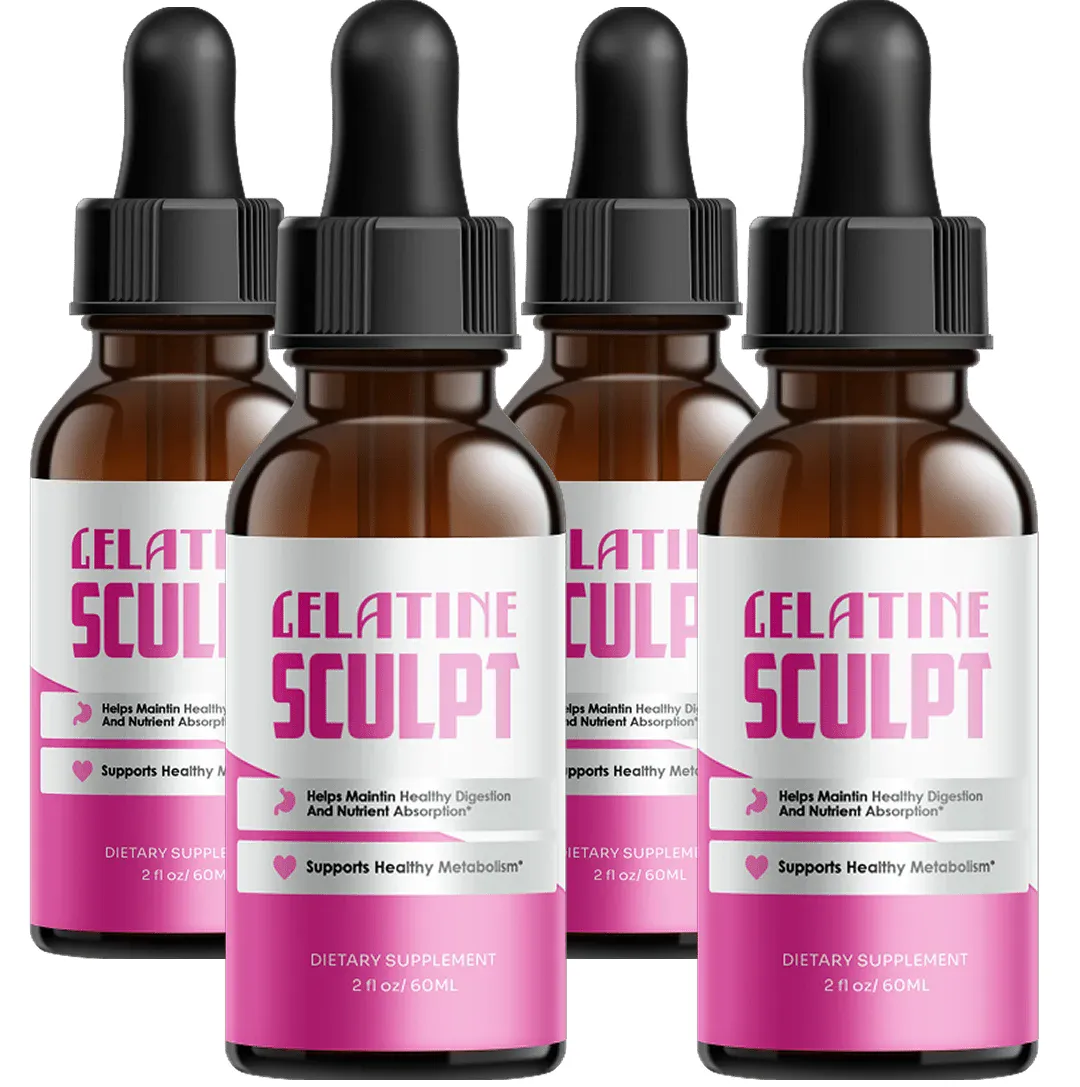
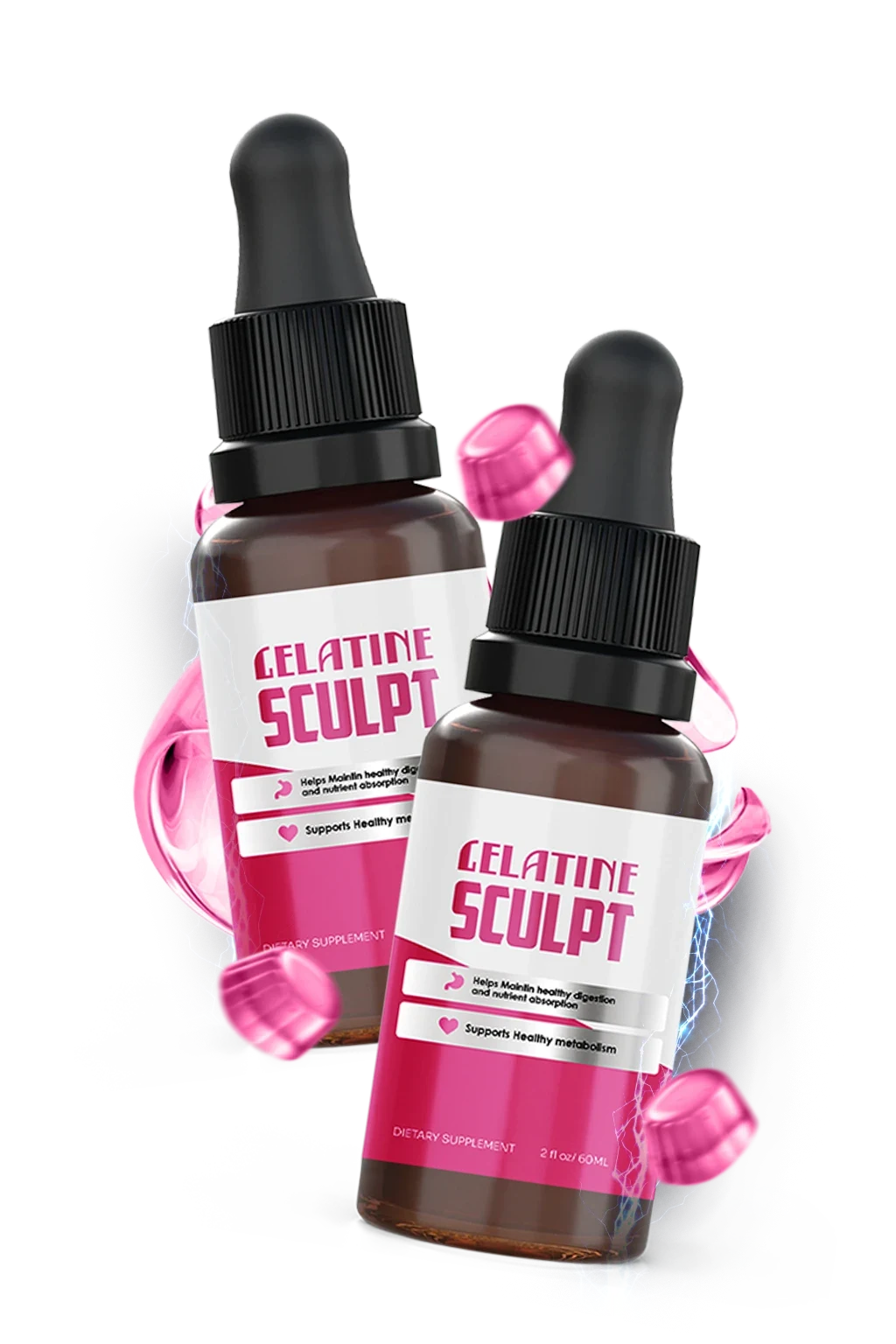
Role: While not a replacement for diet and exercise, certain supplements can play a supportive role in optimizing your efforts. Ingredients like collagen can support joint health and skin elasticity, vital for active individuals. Other natural compounds, such as those found in Gelatine Sculpt, may help support metabolism, energy levels, and nutrient absorption, potentially enhancing your body's ability to burn fat and maintain lean mass. Always consult a healthcare professional before starting any new supplement regimen.
Personalized SupportBy addressing these interconnected aspects of your lifestyle, you create a powerful synergy that accelerates your journey towards a healthier, more sculpted body composition. Remember, consistency across all these areas is what truly drives sustainable results.
For more detailed information on specific ingredients and how they might aid your journey, you can always visit our Gelatine Sculpt homepage for product details and testimonials.
Transform Your Body Composition with Gelatine Sculpt
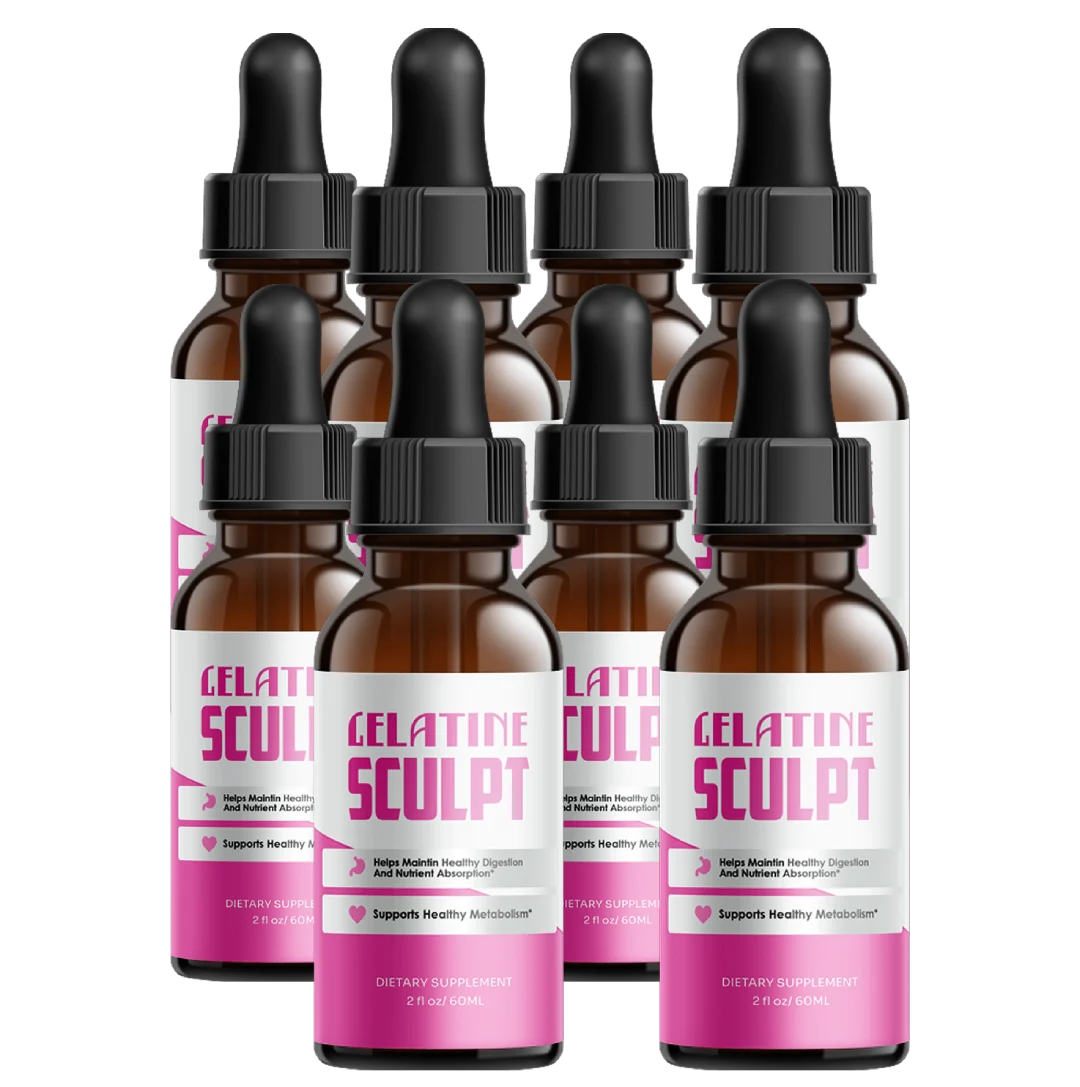
You've learned the science behind effective exercise and the holistic approach to body recomposition. Now, empower your journey with Gelatine Sculpt, a natural dietary supplement designed to support your fat loss and muscle toning goals.
- ✓ Supports healthy metabolism for efficient fat burning
- ✓ Boosts natural energy levels without jitters
- ✓ Aids in maintaining lean muscle mass during fat loss
- ✓ Formulated with clinically studied, natural ingredients
- ✓ Designed to complement your active lifestyle and balanced diet


Real People, Real Results
"I've been consistent with my workouts for months, but Gelatine Sculpt really helped me break through a plateau. My energy is up, and I'm finally seeing the definition I've worked so hard for!"
"As someone trying to manage my body composition as I age, Gelatine Sculpt has been a game-changer. I feel more toned, and my recovery after strength training is noticeably faster. Highly recommend!"
"I was skeptical at first, but after a month of using Gelatine Sculpt alongside my regular routine, I've seen a noticeable reduction in body fat and increased muscle firmness. It's a fantastic addition to my health regimen."
Frequently Asked Questions
What is body composition and why is it important for fat loss?
+Body composition refers to the proportion of fat and fat-free mass (muscle, bone, water) in your body. It's more important than just weight because a healthier body composition, with less fat and more muscle, is linked to improved metabolism, better health outcomes, and a reduced risk of chronic diseases like obesity, even if your scale weight doesn't drastically change. Focusing on body composition ensures you're losing fat, not just water or muscle.
How often should I exercise to improve my body composition?
+For significant improvements in body composition and fat loss, aim for at least 150-300 minutes of moderate-intensity aerobic activity or 75-150 minutes of vigorous-intensity aerobic activity per week, combined with strength training 2-3 times per week, targeting all major muscle groups. Consistency is key, so find a routine you can maintain long-term, gradually increasing intensity and duration as you get fitter.
Is cardio or strength training better for fat loss?
+Both cardiovascular training and strength training are crucial for optimal fat loss and body composition improvement. Cardio burns calories during the workout, while strength training builds muscle, which boosts your resting metabolism, helping you burn more calories even at rest. The most effective approach integrates both, leveraging the immediate calorie burn of cardio and the long-term metabolic benefits of muscle mass.
Can I really lose fat and gain muscle at the same time?
+Yes, it is possible, especially for beginners or individuals with higher body fat percentages, a phenomenon often called 'body recomposition'. This requires a carefully managed caloric intake (often a slight deficit or maintenance with high protein), consistent strength training, and adequate rest. As you become more advanced, simultaneous fat loss and significant muscle gain becomes more challenging, often requiring cycles of bulking and cutting.
What role does nutrition play alongside exercise for body composition?
+Nutrition is paramount, arguably even more so than exercise, for improving body composition and losing fat. You cannot out-exercise a poor diet. A calorie deficit is necessary for fat loss, and adequate protein intake is essential for muscle preservation and growth, especially when exercising. Focusing on whole, unprocessed foods, balanced macronutrients, and sufficient hydration will maximize your exercise efforts.
How can Gelatine Sculpt support my exercise and body composition goals?
+Gelatine Sculpt is formulated with natural ingredients known for their potential roles in supporting metabolism, energy levels, and overall body wellness. While it is not a magic pill, when combined with a consistent exercise regimen and a balanced diet, it can act as a supportive aid. Its ingredients may help optimize your body's natural processes, making your hard work in the gym more effective towards achieving your body composition and fat loss objectives. Always consult with a healthcare professional before adding any new supplement to your routine.
Related Articles