Struggling to lose weight without sacrificing your hard-earned muscle?
Many individuals embark on weight loss journeys only to find themselves losing not just fat, but also precious muscle mass. This often leads to a "skinny fat" appearance, reduced metabolic rate, and a higher likelihood of regaining weight. The key to successful, sustainable weight loss lies in understanding the vital role of macronutrients, especially protein.
A well-structured high protein diet is not merely a fad; it's a scientifically-backed strategy that empowers your body to prioritize fat loss while rigorously preserving lean muscle tissue. This approach is essential for anyone dealing with obesity or poor body composition, seeking a healthier, more robust physique.
The Foundational Role of Protein in Weight Management
Protein isn't just for bodybuilders; it's a macronutrient powerhouse vital for anyone looking to achieve healthy weight loss and improve their body composition. Its unique properties make it indispensable.
At its core, protein is made up of amino acids, which are the building blocks of virtually every cell and tissue in your body. When it comes to weight loss, protein stands out from carbohydrates and fats due to several key mechanisms. Firstly, protein has a significantly higher thermic effect of food (TEF). This means your body expends more energy digesting, absorbing, and metabolizing protein compared to other macronutrients. While the exact percentage varies, protein can burn 20-30% of its caloric value during digestion, whereas carbs burn 5-10% and fats only 0-3%. This inherent metabolic boost gives protein a distinct advantage in a calorie-restricted diet.
Secondly, protein is unparalleled in its ability to induce satiety – the feeling of fullness. This is a critical factor for successful weight loss, as it directly impacts your overall calorie intake. When you consume protein, it triggers the release of specific gut hormones, such as cholecystokinin (CCK) and glucagon-like peptide-1 (GLP-1), which signal to your brain that you are full. Simultaneously, it helps suppress ghrelin, the "hunger hormone." This powerful combination means you feel satisfied for longer, reducing cravings and the likelihood of overeating or snacking on unhealthy foods. Incorporating protein into every meal can dramatically curb appetite, making adherence to a calorie deficit much more manageable and sustainable.
Beyond these immediate effects, protein is crucial for maintaining overall metabolic health. It supports the synthesis of enzymes, hormones, and neurotransmitters, all of which play a role in regulating body weight and energy balance. Understanding these fundamental roles allows us to appreciate why prioritizing protein is a cornerstone of any effective weight management strategy, especially for those aiming to overcome obesity and improve their body composition.
💡 Key Takeaway
Protein is essential for weight loss due to its high thermic effect of food (boosting metabolism) and its powerful ability to enhance satiety, helping you feel fuller for longer and naturally reducing calorie intake.
Muscle Preservation: The Unsung Hero of Sustainable Weight Loss
Losing weight is often the primary goal, but how you lose it matters immensely. Preserving lean muscle mass is paramount for long-term health, metabolic function, and aesthetic outcomes.
When you reduce your calorie intake to lose weight, your body naturally seeks energy from various sources. Without sufficient protein, a significant portion of this energy can come from your existing muscle tissue, leading to muscle catabolism. This is a detrimental cycle: muscle is metabolically active, meaning it burns more calories at rest than fat tissue. Losing muscle therefore slows down your metabolism, making further weight loss harder and increasing the risk of weight regain once you stop dieting. This phenomenon is often observed in individuals who achieve rapid weight loss without focusing on protein and strength training, resulting in a "skinny fat" physique where body fat percentage remains high despite a lower number on the scale.
A high protein diet acts as a protective shield for your muscles. By providing a steady supply of essential amino acids, particularly branched-chain amino acids (BCAAs) like leucine, isoleucine, and valine, protein signals your body to maintain and even build muscle tissue, even in a calorie deficit. These amino acids are critical for muscle protein synthesis (MPS), the process by which your body repairs and builds new muscle fibers. Ensuring adequate protein intake, especially when combined with resistance training, helps to offset the catabolic effects of dieting, ensuring that the weight lost is predominantly fat.
Furthermore, maintaining or increasing muscle mass improves your overall body composition, leading to a more toned and defined physique. This isn't just about aesthetics; a higher muscle-to-fat ratio is associated with better insulin sensitivity, improved bone density, and a stronger immune system. For individuals struggling with obesity, improving body composition by preserving muscle during weight loss is a critical step towards better health and reduced risk of chronic diseases. This strategy provides a robust foundation for not just losing weight, but transforming your body for lasting wellness.
Key Benefits of a High Protein Diet for Body Transformation
Embracing a high protein diet offers a multitude of advantages that extend beyond simple calorie restriction, fundamentally reshaping your body and health.
Enhanced Satiety and Reduced Cravings
Protein is superior at promoting feelings of fullness, which is crucial for managing appetite and preventing overeating. By stabilizing blood sugar levels and impacting hunger hormones, a high protein intake can significantly reduce cravings for unhealthy snacks and processed foods, making it easier to adhere to your dietary goals without feeling deprived.
Preservation of Lean Muscle Mass
During a calorie deficit, the body can break down muscle for energy. Adequate protein intake provides the necessary amino acids to protect existing muscle tissue, ensuring that weight lost comes primarily from fat stores. This maintains your metabolic rate and contributes to a more toned physique.
Boosted Metabolism (Thermic Effect)
Protein has the highest thermic effect of food (TEF) among macronutrients, meaning your body burns more calories simply digesting and processing it. This metabolic boost, though seemingly small, adds up over time and contributes to a greater overall calorie expenditure, supporting faster and more efficient fat loss.
Improved Body Composition
By simultaneously promoting fat loss and preserving muscle, a high protein diet helps improve your body composition. This means a lower body fat percentage and a higher proportion of lean mass, leading to a healthier, stronger, and more aesthetically pleasing body shape, regardless of the number on the scale.
Better Blood Sugar Control
Protein has a minimal impact on blood sugar levels compared to carbohydrates. Consuming protein with meals helps slow down the absorption of glucose, leading to more stable blood sugar. This can reduce energy crashes, improve mood, and decrease the risk of developing insulin resistance, which is often associated with obesity.
Optimizing Your Protein Intake: Sources and Strategies
To reap the full benefits of a high protein diet, it's crucial to understand both where to find quality protein and how to incorporate it effectively into your daily routine.
Variety is key when selecting protein sources. Aim for a mix of animal and plant-based proteins to ensure you're getting a complete spectrum of essential amino acids and other beneficial nutrients. Animal protein sources are often considered "complete" proteins, meaning they contain all nine essential amino acids your body cannot produce on its own. Excellent choices include lean meats like chicken breast, turkey, and lean cuts of beef; fish such as salmon, tuna, and cod, which also provide beneficial omega-3 fatty acids; eggs, a highly bioavailable and versatile protein source; and dairy products like Greek yogurt, cottage cheese, and milk, known for their casein and whey proteins.
For those following plant-based diets or simply looking to diversify, plant protein sources are abundant and can be combined to form complete proteins. Legumes (lentils, chickpeas, black beans), tofu, tempeh, edamame, quinoa, nuts, and seeds (chia, flax, hemp) are excellent options. Plant-based protein powders, often derived from peas, rice, or hemp, can also be a convenient way to boost intake. While individual plant proteins might be "incomplete," consuming a variety throughout the day ensures you get all necessary amino acids.
Beyond selecting the right foods, strategic protein intake involves distributing your protein across all meals and snacks. Instead of front-loading protein at dinner, aim for 20-40 grams of protein per meal to maximize muscle protein synthesis and satiety throughout the day. This consistent supply helps maintain a positive nitrogen balance, essential for muscle repair and growth. For instance, start your day with eggs or Greek yogurt, have chicken or fish for lunch, and a lean protein source with dinner. Protein-rich snacks like nuts, cheese sticks, or a protein shake can bridge gaps between meals.
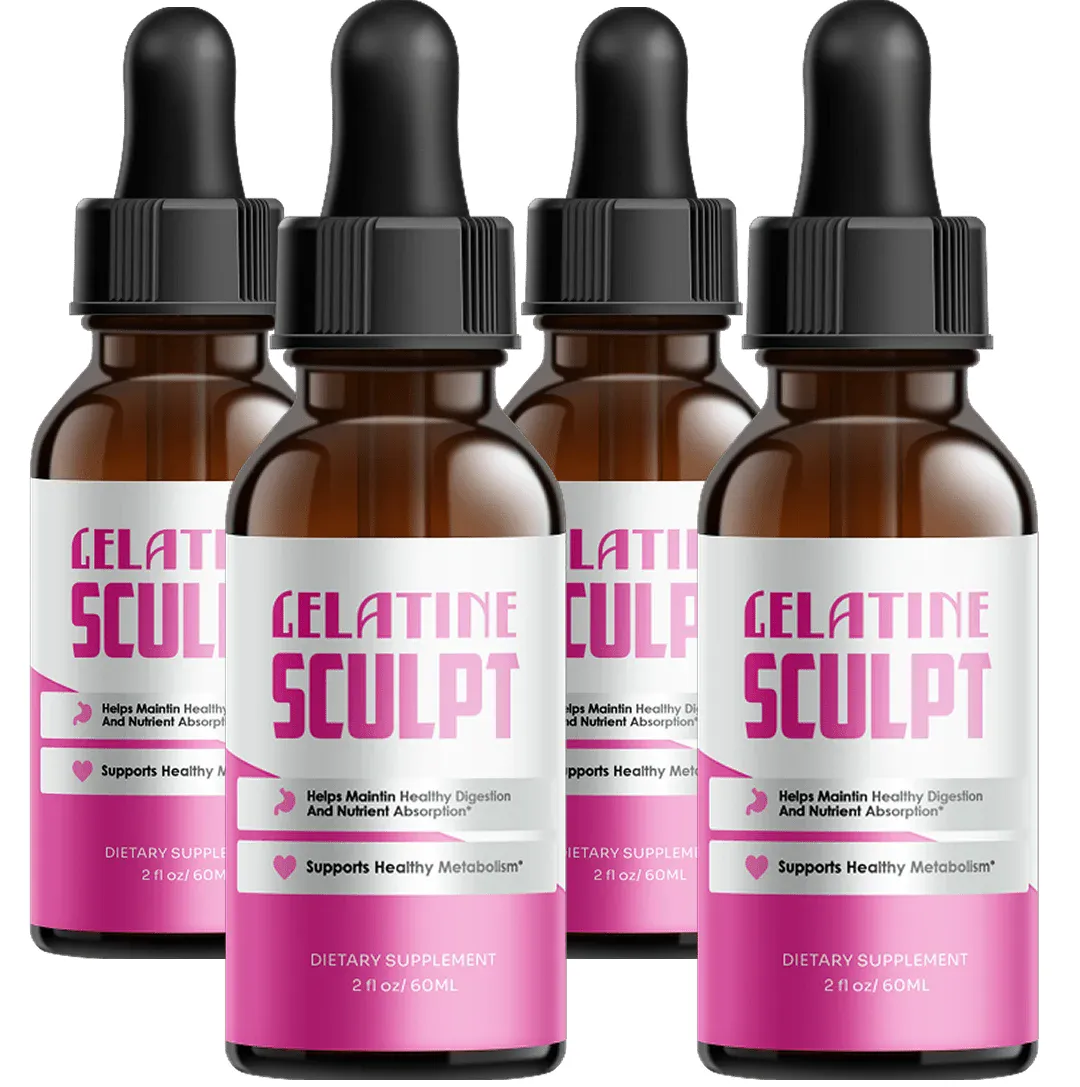
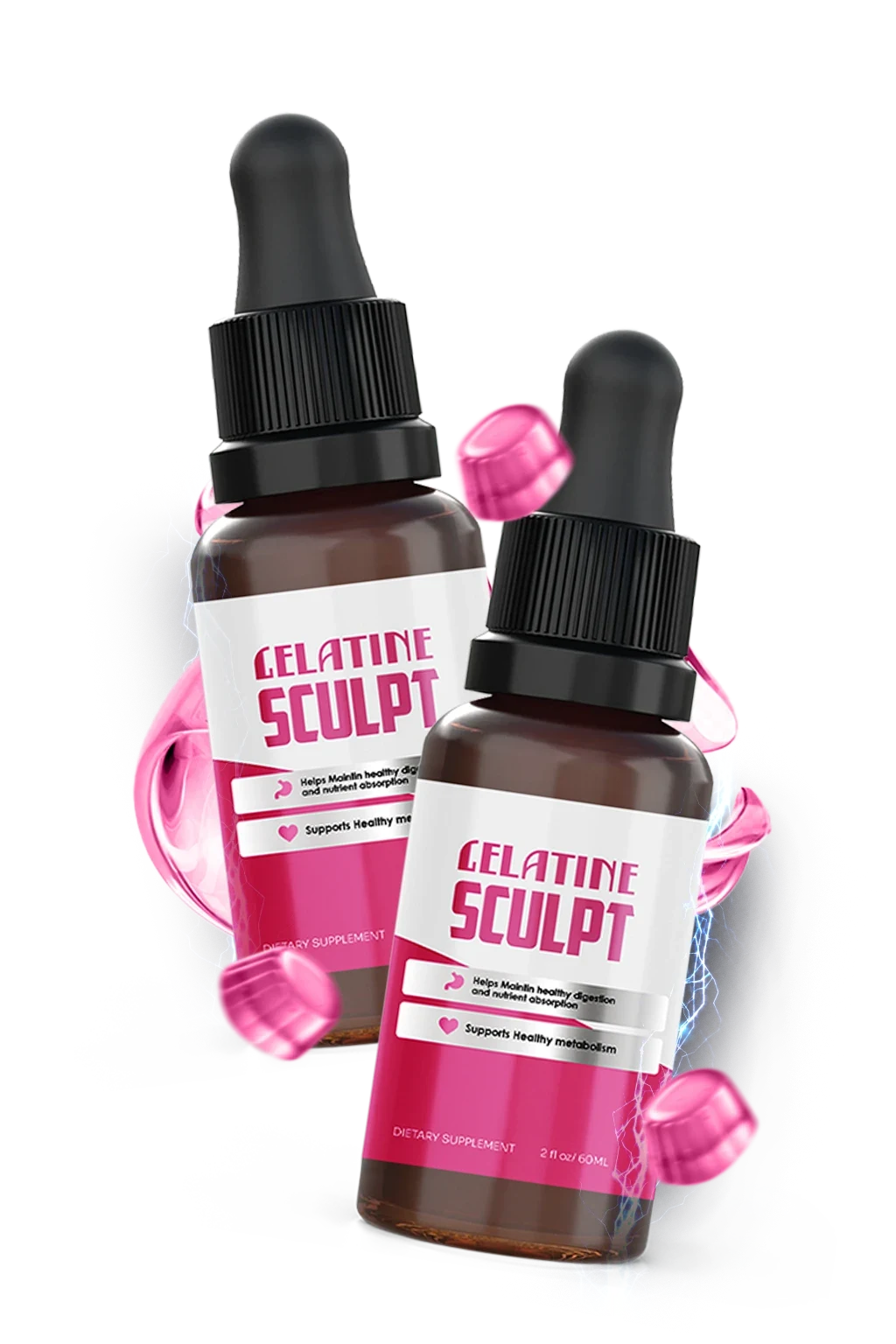
For some, meeting high protein targets solely through whole foods can be challenging. This is where protein supplements can play a valuable role. Whey and casein proteins are popular dairy-based options, while pea, rice, and hemp proteins offer plant-based alternatives. Additionally, specialized proteins like gelatin or collagen, found in products like Gelatine Sculpt, provide unique amino acid profiles that support not only muscle but also joint, skin, and gut health, complementing a comprehensive high protein diet. To understand more about how such specific proteins can aid your journey, you might find our article on The Gelatin "Trick": How This Unique Protein Supports Weight Loss & Appetite Control particularly insightful.
Beyond Protein: Holistic Approaches to Weight Loss and Body Composition
Resistance Training
While diet is crucial, combining a high protein intake with regular resistance training is the ultimate strategy for muscle preservation and growth during weight loss. Lifting weights signals your body to maintain or build muscle, ensuring that fat is preferentially burned. Aim for 2-3 sessions per week, targeting all major muscle groups.
Fiber and Healthy Fats
Don't neglect other essential macronutrients. Dietary fiber, found in fruits, vegetables, and whole grains, enhances satiety, aids digestion, and supports gut health. Healthy fats from avocados, nuts, seeds, and olive oil are vital for hormone production, nutrient absorption, and also contribute to fullness, balancing your high protein approach.
Sleep and Stress Management
Poor sleep and chronic stress can sabotage even the best diet and exercise plans. They disrupt hormones like cortisol, ghrelin, and leptin, leading to increased cravings, fat storage, and muscle breakdown. Prioritizing 7-9 hours of quality sleep and employing stress-reduction techniques are non-negotiable for successful body composition changes. Learn more about this connection in our article on The Hidden Link: How Stress Leads to Fat Storage and Weight Gain.
Hydration and Micronutrients
Adequate water intake is crucial for metabolism, satiety, and overall bodily functions. Additionally, don't overlook the importance of vitamins and minerals. These micronutrients act as cofactors in countless metabolic processes, supporting energy production, fat burning, and muscle function. Ensure a diverse diet or consider supplementation to cover any gaps. For further reading, check out Essential Vitamins and Minerals for Weight Loss & Body Composition.
Gelatine Sculpt: Enhancing Your High Protein Journey
While whole foods should always be the foundation of your diet, targeted supplementation can provide an extra edge. Gelatine Sculpt offers a unique blend of ingredients designed to complement your high protein diet for optimal weight loss and muscle preservation.

Hydrolyzed Collagen Peptides
Role: A highly bioavailable form of protein, collagen is rich in specific amino acids like glycine, proline, and hydroxyproline, which are crucial for connective tissue, skin elasticity, and joint health. It also contributes to satiety and supports lean muscle mass, making it an excellent complement to traditional protein sources.
5-10g per serving
Berberine HCl
Role: A powerful plant alkaloid known for its role in metabolism. Berberine helps regulate blood sugar levels, improve insulin sensitivity, and can activate AMPK, a master metabolic switch that promotes fat burning and reduces fat storage. This makes it a valuable addition for body composition improvement.
500-1500mg daily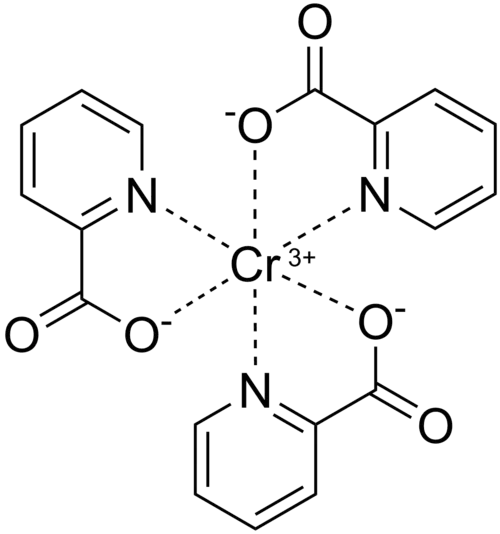
Chromium Picolinate
Role: An essential trace mineral that plays a key role in carbohydrate and lipid metabolism. Chromium enhances the action of insulin, which can improve glucose uptake by cells, stabilize blood sugar, and reduce cravings for sugary foods. This supports appetite control and fat loss.
200-1000mcg daily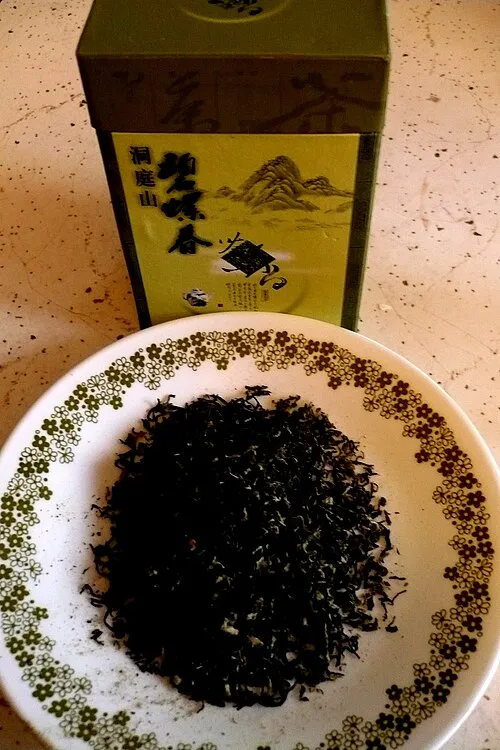
Green Tea Extract
Role: Rich in antioxidants and catechins, particularly EGCG, Green Tea Extract is well-known for its thermogenic properties. It can boost metabolism and enhance fat oxidation, aiding in weight loss. It also provides a gentle energy lift without the jitters, supporting sustained activity and focus.
250-500mg daily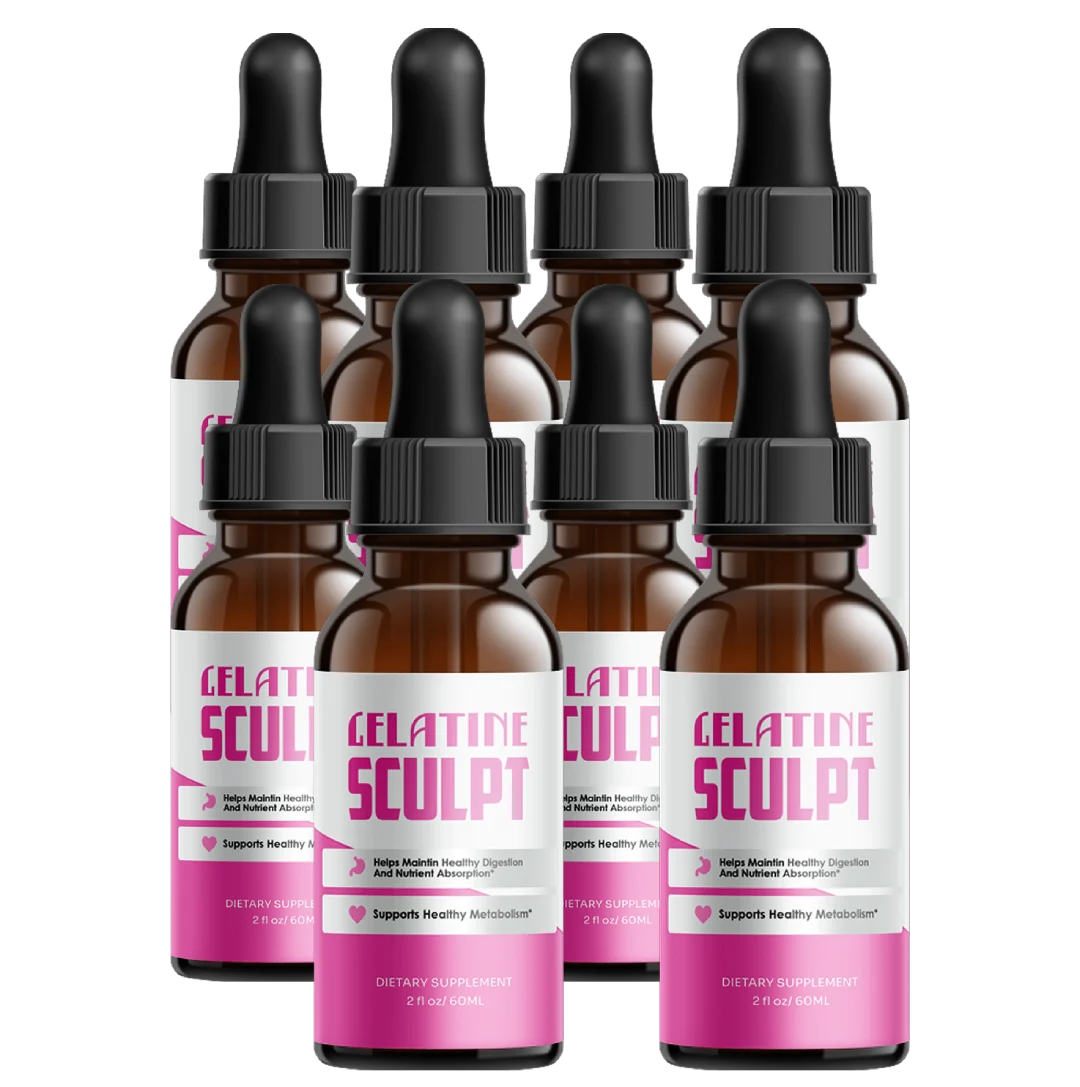
Ready to Sculpt Your Best Body with Targeted Protein?
Gelatine Sculpt offers a unique, high-quality gelatin protein source designed to complement your weight loss and muscle preservation goals. It's an easy and effective way to boost your daily protein intake, enhance satiety, and support lean muscle.
- Supports muscle preservation during weight loss
- Enhances feelings of fullness to reduce cravings
- Contributes to healthy metabolism and fat burning
- Promotes gut health, skin elasticity, and joint comfort
- Easy-to-take capsules for convenient daily protein boost

What Our Customers Are Saying
"I've tried so many diets, but this is the first time I've genuinely felt full and seen my body change for the better. My muscles are more defined, and the weight is actually coming off my waist, not just everywhere. Gelatine Sculpt has been a game-changer for my high protein approach."
"As someone who struggled with cravings, integrating more protein into my diet, especially with Gelatine Sculpt, has been incredible. I no longer feel the need to snack constantly. My energy levels are stable, and I'm finally seeing consistent fat loss without feeling hungry all the time."
"My doctor recommended a higher protein intake for my body composition goals, and Gelatine Sculpt made it so much easier to hit my targets. I've noticed better skin, stronger nails, and most importantly, I'm losing fat while keeping my strength in the gym. Highly recommend for anyone serious about transforming their body."
Frequently Asked Questions
Why is protein intake so critical for weight loss?
+Protein plays a crucial role in weight loss by enhancing satiety, boosting metabolism through a higher thermic effect, and preserving lean muscle mass. It helps you feel fuller for longer, reducing overall calorie intake, and ensures that the weight you lose is primarily fat, not muscle.
How much protein should I aim for daily to lose weight and preserve muscle?
+For effective weight loss and muscle preservation, current research suggests aiming for a protein intake between 1.6 to 2.2 grams per kilogram of body weight per day (0.7 to 1 gram per pound). This can vary based on activity level and individual needs, so consulting a healthcare professional is always recommended.
Can a high protein diet negatively impact my kidneys?
+For healthy individuals with normal kidney function, a high protein diet is generally safe and does not cause kidney damage. However, if you have pre-existing kidney disease, a high protein intake can be detrimental. Always consult your doctor before making significant dietary changes, especially if you have underlying health conditions.
What are the best sources of protein for weight loss?
+Excellent protein sources include lean meats (chicken, turkey, lean beef), fish (salmon, tuna, cod), eggs, dairy products (Greek yogurt, cottage cheese), legumes (lentils, beans), tofu, tempeh, and protein supplements like whey, casein, or gelatin. A diverse intake from both animal and plant sources is ideal.
How does Gelatine Sculpt fit into a high protein weight loss diet?
+Gelatine Sculpt provides a unique, highly bioavailable form of gelatin protein. It can supplement your daily protein intake, contributing to satiety and muscle preservation, while also supporting gut health, skin elasticity, and joint function. It's an excellent way to diversify your protein sources and enhance overall well-being during your weight loss journey.
Is resistance training necessary when following a high protein diet for weight loss?
+While a high protein diet is highly effective on its own, combining it with resistance training creates a synergistic effect. Resistance training signals your body to retain and build muscle, which, when coupled with adequate protein, maximizes fat loss and muscle preservation, leading to a more toned and metabolically active physique.
Related Articles