Are you carrying extra weight that just won't budge, despite your best efforts?
In our fast-paced modern world, stress has become an unwelcome constant. From demanding jobs to family responsibilities and global uncertainties, the pressures can feel relentless. While we often associate stress with mental fatigue or emotional strain, its impact extends far beyond our minds, profoundly affecting our physical health, particularly our body weight and composition.
Many people struggle with unexplained weight gain, especially around the midsection, without realizing that the root cause might not be just diet or lack of exercise, but an often-overlooked culprit: chronic psychological and physiological stress. Understanding this intricate connection is the first step towards reclaiming control over your health and achieving a healthier body composition.
The Stress Response: A Survival Mechanism Gone Awry
To understand how stress impacts weight, we must first grasp the body's fundamental stress response, often called "fight or flight." This ancient mechanism was designed to help our ancestors survive immediate physical threats.
When faced with a perceived danger, your brain signals your adrenal glands to release a cascade of hormones, primarily cortisol and adrenaline. Adrenaline provides an immediate burst of energy, while cortisol plays a longer-term role in managing energy resources. In short bursts, this system is vital. However, in modern life, stressors are rarely life-threatening but are instead chronic and psychological – traffic jams, work deadlines, financial worries. Our bodies, unfortunately, react the same way.
When stress becomes chronic, your body is constantly bathed in high levels of cortisol, leading to a host of metabolic disturbances that directly contribute to fat storage and weight gain. It's a survival mechanism that, in the absence of actual predators, starts to work against us, particularly when it comes to maintaining a healthy body composition.
💡 Key Takeaway
The body's stress response, while essential for survival, can become detrimental when chronic, leading to sustained high cortisol levels that disrupt metabolism and promote fat storage.
Cortisol: The Master Hormone of Stress and Belly Fat
Cortisol is often dubbed the "stress hormone," and for good reason. Its primary role during stress is to increase glucose (sugar) in the bloodstream, providing quick energy for the perceived threat. While useful for escaping a tiger, this constant glucose surge has significant implications for weight management.
Increased Blood Sugar & Insulin Resistance
Chronic cortisol elevation keeps blood sugar levels consistently high. To counter this, your pancreas releases more insulin. Over time, cells can become resistant to insulin's signals, meaning they don't absorb glucose effectively. This forces the pancreas to pump out even more insulin, a hormone known to be a powerful fat-storage agent.
Preferential Fat Storage in the Abdomen
One of cortisol's most notorious effects is its tendency to redistribute fat stores, directing them specifically to the abdominal area. This type of fat, known as visceral fat, is metabolically active and far more dangerous than subcutaneous fat. It surrounds vital organs and is strongly linked to an increased risk of heart disease, type 2 diabetes, and other metabolic syndromes. This explains why many stressed individuals notice an expanding waistline even if other areas of their body remain relatively slim.
Increased Appetite and Cravings
Cortisol doesn't just store fat; it also stimulates appetite, particularly for high-calorie, sugary, and fatty "comfort foods." These foods provide a temporary sense of relief and pleasure, creating a vicious cycle where stress leads to unhealthy eating, which then contributes to weight gain and potentially more stress about one's body. This phenomenon is often referred to as "stress eating" or "emotional eating."
Disrupted Sleep Patterns
Stress and elevated cortisol levels often interfere with sleep quality. Cortisol is naturally higher in the morning to wake us up and lower at night to allow for restful sleep. Chronic stress can disrupt this circadian rhythm, leading to sleepless nights. Poor sleep, in turn, further increases cortisol, disrupts hunger hormones (ghrelin and leptin), and reduces metabolic rate, making weight management even more challenging.
Beyond Cortisol: The Broader Hormonal Impact of Stress
While cortisol is a major player, chronic stress orchestrates a symphony of hormonal imbalances that collectively conspire against your weight management efforts and overall body composition.
Ghrelin and Leptin Dysregulation: Ghrelin, the "hunger hormone," increases appetite, while leptin, the "satiety hormone," signals fullness. Chronic stress can increase ghrelin levels and lead to leptin resistance, meaning your body doesn't register that it's full. This double whammy results in persistent hunger and overeating.
Thyroid Dysfunction: The thyroid gland plays a crucial role in regulating metabolism. Prolonged stress can suppress thyroid function, leading to a slower metabolism and making it harder to burn calories efficiently. This can manifest as fatigue, weight gain, and difficulty losing weight.
Sex Hormone Imbalance: Stress can also affect sex hormones like estrogen and testosterone. In women, chronic stress can lead to estrogen dominance, which is associated with increased fat storage, particularly around the hips and thighs. In men, stress can lower testosterone, a hormone vital for muscle mass and fat regulation, leading to increased body fat.
Inflammation: Stress is a known trigger for chronic low-grade inflammation throughout the body. This inflammation can disrupt cellular function, contribute to insulin resistance, and further exacerbate fat storage, creating a vicious cycle that contributes to conditions like obesity and poor body composition.
Understanding these interconnected mechanisms highlights why simply "eating less and moving more" isn't always enough when chronic stress is at play. It's a complex physiological challenge that requires a multi-faceted approach.
💡 Key Takeaway
Chronic stress creates a complex hormonal imbalance extending beyond cortisol, affecting ghrelin, leptin, thyroid function, sex hormones, and promoting systemic inflammation, all of which contribute significantly to stubborn weight gain and metabolic dysfunction.
Behavioral Impacts: How Stress Changes Our Habits
Stress Eating & Poor Food Choices
Beyond hormonal cravings, stress often leads to comfort eating, seeking out high-sugar, high-fat foods that provide temporary relief. This isn't just about hunger; it's a psychological coping mechanism that quickly undermines dietary goals.
Reduced Physical Activity
When stressed, energy levels plummet, and motivation to exercise often disappears. Physical activity is a powerful stress reliever and calorie burner, so its reduction due to stress further compounds the problem of weight gain.
Sleep Deprivation
Stress makes it hard to fall asleep and stay asleep. Lack of quality sleep not only impacts hormones but also increases daytime fatigue, making healthy choices less likely and cravings for quick energy (sugar) more prevalent.
Decreased Self-Control
Chronic stress depletes willpower and cognitive resources, making it harder to resist temptations, stick to a healthy eating plan, or maintain a consistent exercise routine. This often leads to feelings of guilt and further stress.
Breaking the Cycle: Strategies for Managing Stress and Weight
Recognizing the profound link between stress and weight is the first step. The good news is that by actively managing stress, you can significantly improve your body's ability to regulate weight and improve overall body composition.
1. Prioritize Stress Reduction Techniques: Incorporate daily practices that calm your nervous system. This could include mindfulness meditation, deep breathing exercises, yoga, spending time in nature, or engaging in hobbies you enjoy. Even 10-15 minutes a day can make a significant difference. For more ideas, you might find valuable insights in our article on how to improve weight management naturally.
2. Embrace Regular Physical Activity: Exercise is a powerful antidote to stress, releasing endorphins that act as natural mood elevators. It also helps regulate cortisol levels, improves insulin sensitivity, and burns calories. Aim for a combination of cardiovascular exercise and strength training. Even a brisk walk can be incredibly beneficial.
3. Optimize Sleep: Make sleep a non-negotiable priority. Aim for 7-9 hours of quality sleep per night. Create a relaxing bedtime routine, ensure your bedroom is dark and cool, and limit screen time before bed. Adequate sleep is crucial for hormone balance and metabolic health.
4. Adopt a Nutrient-Dense Diet: Focus on whole, unprocessed foods. Include plenty of fruits, vegetables, lean proteins, and healthy fats. These foods provide the nutrients your body needs to cope with stress and support a healthy metabolism. Limit processed sugars, refined carbohydrates, and excessive caffeine, which can exacerbate stress and blood sugar imbalances.
5. Consider Targeted Nutritional Support: While diet and lifestyle are foundational, certain nutrients and botanicals can offer additional support for a healthy stress response and optimal body composition. Ingredients like adaptogens, minerals (magnesium, chromium), and specific amino acids can play a role in balancing the body's systems. You can learn more about these in our post on herbs and natural supplements for weight loss and sculpting.
6. Build a Strong Support System: Don't try to go it alone. Connect with friends, family, or a therapist. Sharing your feelings and getting support can significantly reduce the burden of stress.
💡 Key Takeaway
Effectively managing stress through lifestyle adjustments like mindfulness, exercise, sleep optimization, and a nutrient-rich diet is critical for breaking the cycle of stress-induced weight gain and improving body composition.
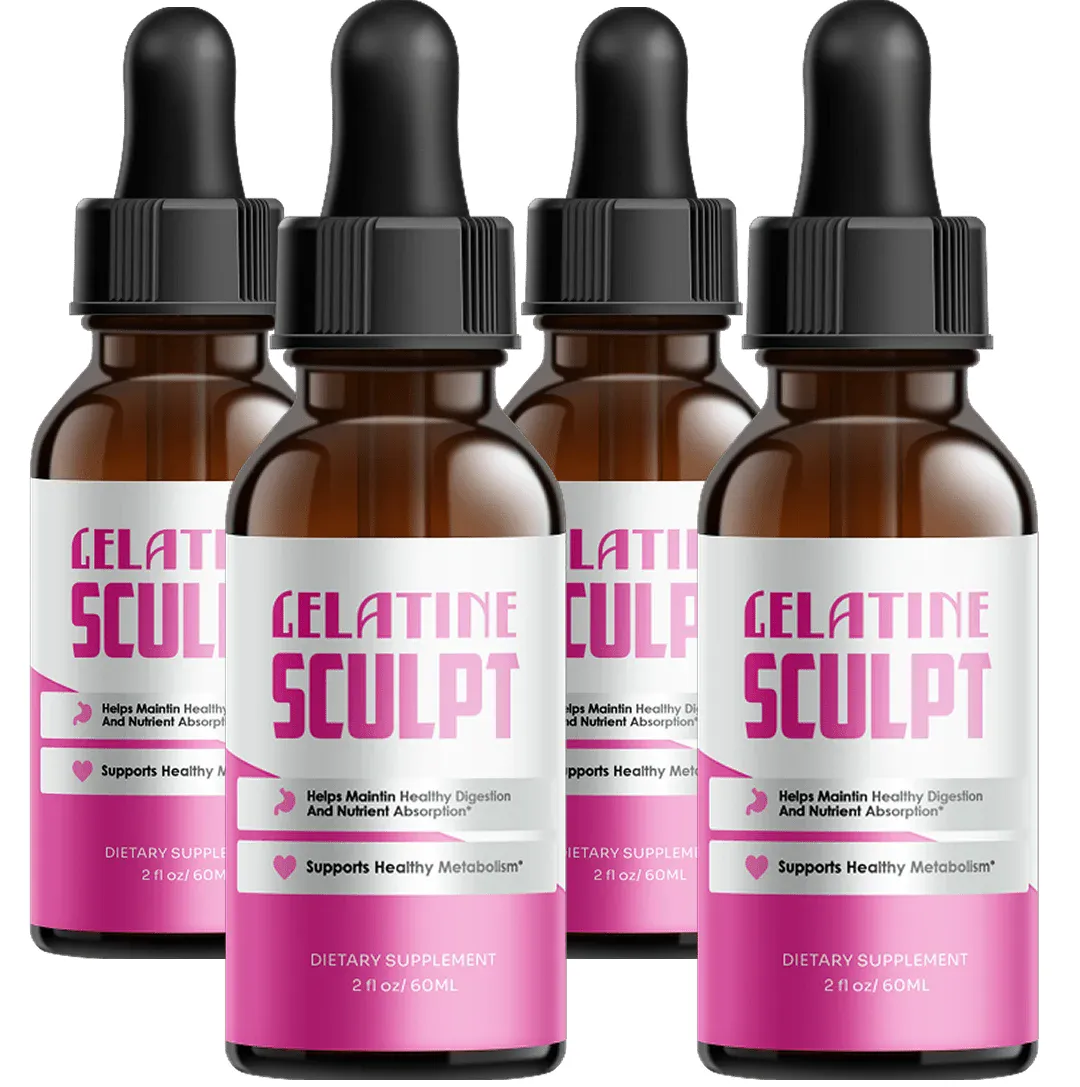
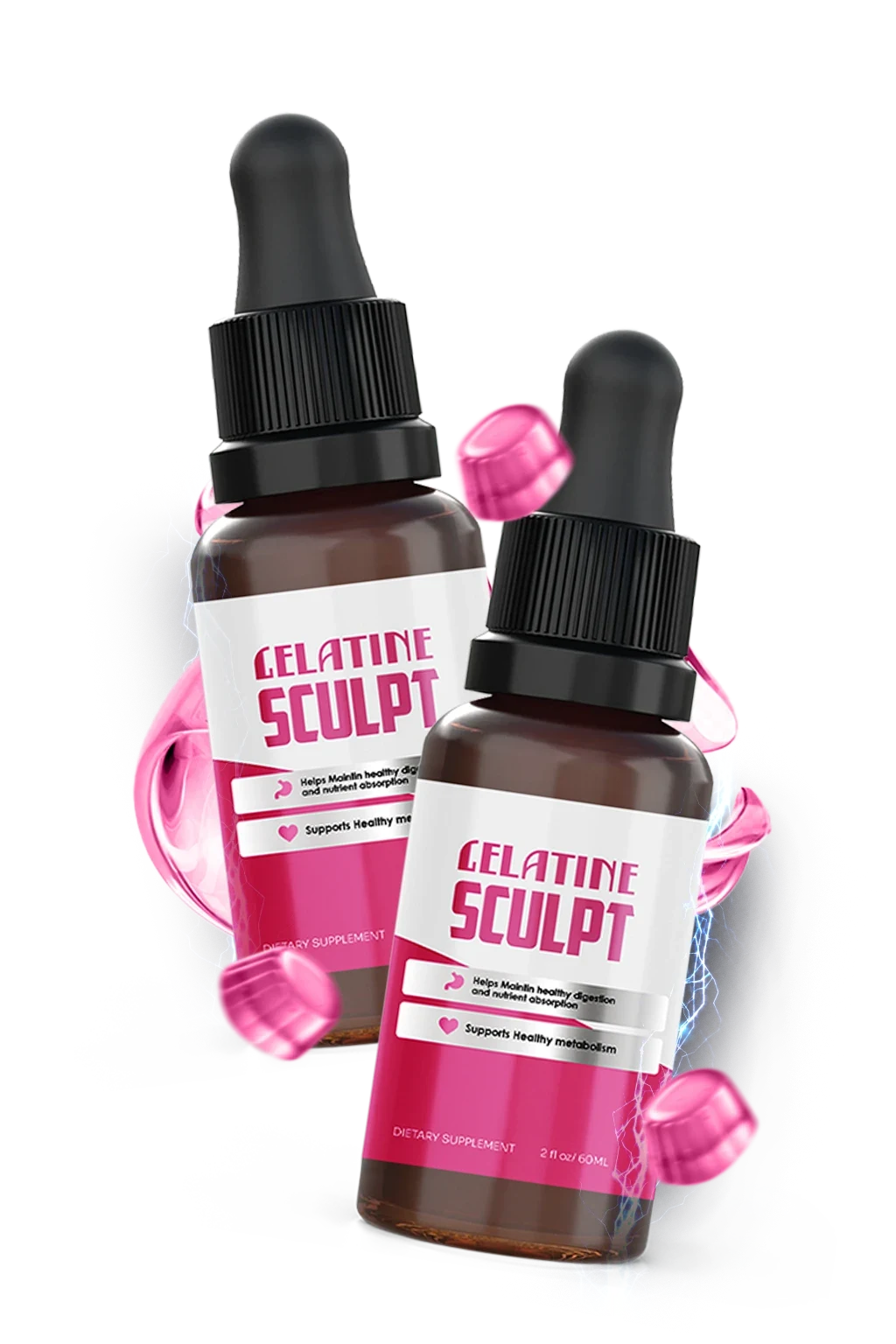
Supporting Your Body's Resilience: The Role of Gelatine Sculpt
While Gelatine Sculpt is not a stress-relief product, it is designed to support a healthy metabolism and body composition, which can be profoundly impacted by chronic stress. By focusing on ingredients that promote metabolic balance, healthy inflammatory responses, and overall vitality, Gelatine Sculpt can be a valuable addition to your holistic strategy for managing weight and improving your overall well-being. It's about giving your body the foundational support it needs to function optimally, even when faced with life's inevitable stressors. Furthermore, some of its ingredients are known to have indirect benefits on energy and mood, which can contribute to better stress coping mechanisms.

Hydrolyzed Collagen Peptides
Role: Supports gut health, which is closely linked to mood and stress response. Provides amino acids for muscle repair and satiety, contributing to healthy body composition. It also helps with skin elasticity, which can be affected by rapid weight changes.
Typical Dose: 5-15g daily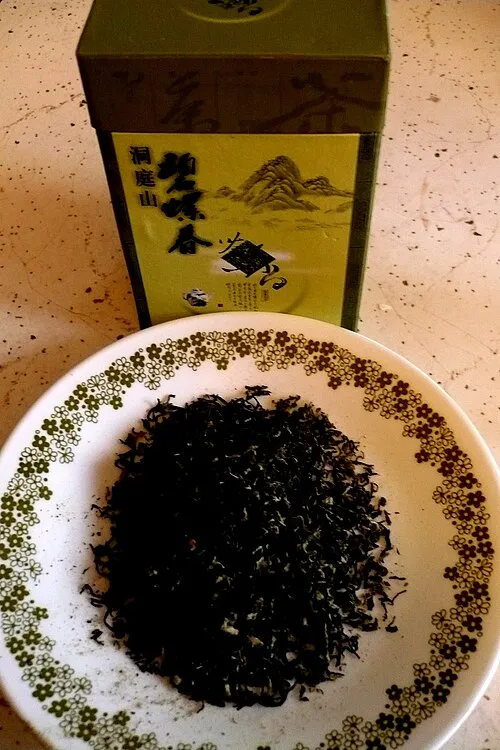
Green Tea Extract (EGCG)
Role: Contains catechins, particularly EGCG, which are powerful antioxidants. EGCG is known to boost metabolism, enhance fat oxidation, and may help reduce visceral fat accumulation. It also contains L-Theanine, which can promote a calm focus.
Typical Dose: 200-500mg daily
Berberine HCl
Role: A powerful compound known for its ability to activate AMPK, an enzyme that regulates metabolism. It helps improve insulin sensitivity, reduce blood sugar levels, and may prevent fat accumulation, especially in the liver and abdomen. This can directly counteract some effects of cortisol.
Typical Dose: 500-1500mg daily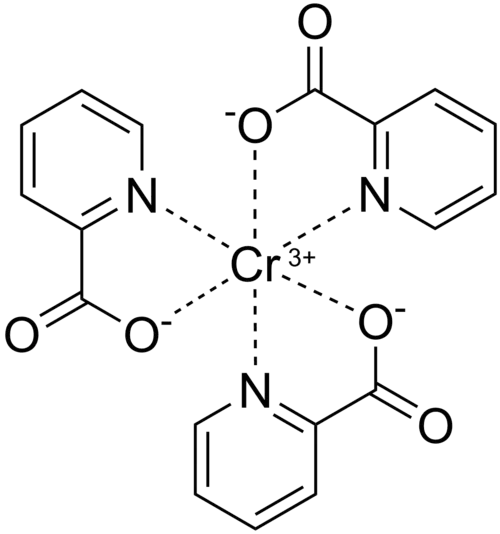
Chromium Picolinate
Role: Enhances insulin sensitivity and helps regulate blood sugar levels, reducing cravings for carbohydrates and sweets. This can be particularly beneficial for those experiencing stress-induced sugar cravings and insulin resistance.
Typical Dose: 200-1000mcg daily
Maca Root Powder
Role: An adaptogenic herb that helps the body adapt to stress and maintain hormonal balance. It can improve energy levels, mood, and stamina, indirectly supporting consistent exercise and better stress coping mechanisms.
Typical Dose: 1500-3000mg daily
Turmeric Extract (Curcumin)
Role: Contains curcumin, a potent anti-inflammatory compound. Chronic inflammation is often exacerbated by stress and contributes to metabolic dysfunction and weight gain. Turmeric helps mitigate this inflammation, supporting overall metabolic health.
Typical Dose: 500-1000mg dailyBy incorporating supplements like Gelatine Sculpt alongside comprehensive lifestyle changes, individuals can provide their bodies with targeted support to counteract the metabolic disruptions caused by chronic stress and work towards a healthier, more balanced body composition. For more detailed information on the benefits of gelatin and collagen for body sculpting, consider reading our article Gelatine Benefits for Body Sculpting.
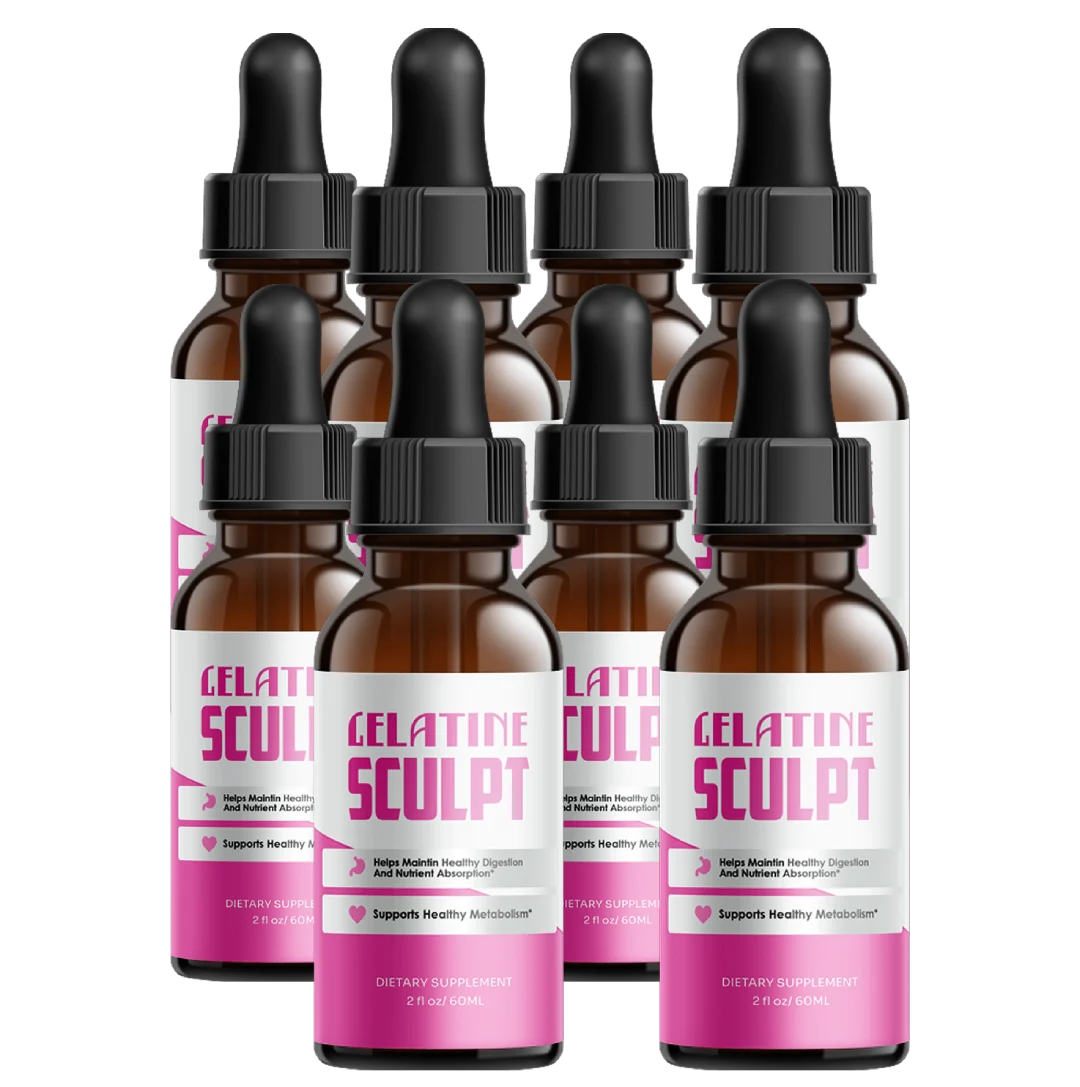
Ready to Take Control of Your Body Composition?
Gelatine Sculpt offers a unique blend of natural ingredients designed to support your body's metabolic health and help you achieve your desired body composition. Don't let chronic stress dictate your health journey any longer.
- ✓ Supports healthy metabolism and fat burning
- ✓ Helps reduce cravings and manage appetite
- ✓ Promotes healthy blood sugar levels
- ✓ Contributes to improved gut health and nutrient absorption
- ✓ Formulated with clinically studied natural ingredients



Hear From Our Satisfied Customers
"I was so frustrated with my weight, especially around my belly. I tried everything. After incorporating Gelatine Sculpt, combined with better stress management, I've seen a noticeable difference in my midsection and my energy levels. It feels like my body is finally responding!"
"My doctor mentioned my cortisol levels were high, and I knew stress was taking a toll. Gelatine Sculpt was recommended as part of a holistic approach. I'm feeling less bloated, my cravings are more manageable, and I'm slowly but surely getting back to a healthier weight."
"I've struggled with my weight for years, often feeling like my body was working against me. Gelatine Sculpt has been a game-changer. It's helped me feel more balanced and supported in my efforts to reduce stress and improve my body composition. Highly recommend!"
Frequently Asked Questions
How does stress directly lead to fat storage?
+Chronic stress triggers the release of cortisol, a hormone that signals the body to store fat, especially around the abdomen. Cortisol also increases appetite and cravings for high-calorie foods, contributing to weight gain.
What is the role of cortisol in stress-induced weight gain?
+Cortisol is the primary stress hormone. Elevated levels for prolonged periods promote glucose production, which can lead to insulin resistance. This makes it harder for cells to absorb glucose, leading to more fat storage and a higher likelihood of developing belly fat.
Can managing stress help improve body composition?
+Absolutely. By reducing chronic stress, you can lower cortisol levels, which in turn can decrease fat storage, especially visceral fat. Stress management techniques like mindfulness, exercise, and adequate sleep are crucial for improving overall body composition and metabolic health.
Are there specific nutrients that can help mitigate stress-related weight gain?
+Yes, certain nutrients and botanicals can support a healthy stress response and metabolism. Ingredients like collagen, green tea extract, berberine, and maca root are often studied for their potential roles in balancing hormones, reducing inflammation, and supporting fat metabolism.
How does Gelatine Sculpt fit into a strategy for managing stress and weight?
+Gelatine Sculpt is formulated with natural ingredients known to support metabolic health, healthy inflammatory responses, and overall body composition. While not a stress reliever itself, by optimizing metabolic functions, it can complement a holistic approach to managing stress-related weight concerns.
What are some immediate steps I can take to reduce stress and improve my weight?
+Start by incorporating daily mindfulness practices like meditation or deep breathing. Prioritize 7-9 hours of sleep, engage in regular physical activity, and maintain a balanced diet rich in whole foods. Consider consulting a healthcare professional for personalized advice and exploring natural supplements for added support.
Related Articles