Are Your Emotions Driving Your Eating Habits and Leading to Unwanted Weight Gain?
In a world that often feels overwhelming, it's easy to find ourselves turning to food for comfort, distraction, or even as a reward. This phenomenon, known as emotional eating, is a deeply ingrained pattern for many, leading to a frustrating cycle of overconsumption, weight gain, and diminished self-esteem. It's not just about willpower; it's about understanding the intricate link between our psychological state and our physical health.
For individuals struggling with obesity and poor body composition, emotional eating can be a significant barrier to achieving sustainable health goals. It perpetuates a cycle where stress or sadness triggers eating, leading to guilt, which then triggers more eating. Breaking this cycle is crucial not only for managing weight but for achieving overall metabolic wellness and improved body composition that truly reflects a healthy lifestyle.

The Vicious Cycle of Emotional Eating and Weight Gain
Emotional eating isn't just a bad habit; it's a complex interplay between our minds, bodies, and external environment. Understanding its mechanisms is the first step towards dismantling its grip.
At its core, emotional eating is the consumption of food for reasons other than physical hunger. It's a coping mechanism, a way to numb uncomfortable feelings, alleviate stress, or even celebrate. While occasional indulgence is normal, chronic emotional eating can lead to significant health challenges, particularly concerning weight gain and poor body composition. The foods typically chosen during emotional eating episodes are often high in sugar, fat, and salt – think comfort foods like ice cream, chips, or fast food. These provide a temporary rush of pleasure, triggering dopamine release in the brain, which can be highly addictive.
The physiological response to stress plays a crucial role here. When we experience stress, our bodies release hormones like cortisol. Elevated cortisol levels can increase appetite, particularly for sugary and fatty foods, and promote fat storage, especially around the abdomen. This creates a direct link between stress and weight gain. Furthermore, chronic stress can disrupt the delicate balance of hunger-regulating hormones like ghrelin (which stimulates appetite) and leptin (which signals satiety). When these hormones are out of whack, our bodies send confusing signals, making it harder to recognize true hunger or fullness cues.
This cycle becomes particularly vicious. You feel stressed, anxious, or sad. You eat to feel better. The temporary comfort is quickly replaced by guilt, shame, or frustration over your eating choices and their impact on your weight. These negative emotions then fuel the next emotional eating episode, trapping you in a self-perpetuating loop. Over time, this consistent overconsumption of calorie-dense foods leads to an accumulation of excess body fat, contributing directly to obesity and an unhealthy body composition where the ratio of fat to lean muscle mass is disproportionately high. This isn't just an aesthetic concern; it has profound implications for your metabolic health.
Poor body composition, characterized by high visceral fat (fat around organs) and low muscle mass, significantly increases the risk of metabolic syndrome, type 2 diabetes, heart disease, and chronic inflammation. Emotional eating exacerbates this by favoring fat storage over muscle growth, making it harder to burn calories efficiently. The psychological toll is equally heavy, as the constant battle with food and weight can lead to feelings of helplessness, depression, and a further erosion of self-worth, making it even more challenging to adopt healthier habits. Breaking this entrenched pattern requires a multi-faceted approach that addresses both the emotional roots and the physiological consequences of this detrimental cycle.
💡 Key Takeaway
Emotional eating is a powerful cycle driven by stress and negative emotions, leading to reliance on comfort foods. This pattern not only causes weight gain and poor body composition by disrupting hormones and promoting fat storage but also creates a psychological trap of guilt and further emotional eating, severely impacting overall health and well-being.
Identifying Your Emotional Eating Triggers
Before you can break the cycle, you must first understand what sets it in motion. Self-awareness is your most powerful tool in this battle.
Pinpointing your specific emotional eating triggers is a critical step in regaining control over your eating habits. These triggers can be as varied as human emotions themselves, but some common culprits emerge repeatedly. Stress and anxiety are perhaps the most prevalent. The demands of work, financial worries, relationship issues, or even global events can create a constant state of tension, prompting many to seek solace in food. This isn't just psychological; as mentioned, stress hormones like cortisol directly influence appetite and cravings.
Another powerful trigger is boredom. When life feels monotonous or you have unstructured time, food can become a readily available source of entertainment or stimulation. You might find yourself wandering to the pantry not because you're hungry, but because you're restless and looking for something to do. Similarly, loneliness or sadness can trigger eating as a form of self-comfort or companionship. Food can momentarily fill an emotional void, providing a sense of warmth or security that is lacking in other areas of life.
Even positive emotions can be triggers. Celebration or happiness can lead to overeating, especially in social settings where food is central to the occasion. This isn't necessarily negative, but it can become problematic if it consistently leads to excessive consumption and reinforces the idea that food is the primary way to experience or enhance joy. Other triggers include fatigue, where a lack of sleep can impair judgment and increase cravings for quick energy sources, and anger or frustration, where eating can serve as a way to vent or suppress intense feelings.
To effectively identify your triggers, consider keeping a detailed food and mood journal. For a week or two, record everything you eat, the time, your level of physical hunger (on a scale of 1-10), and crucially, your emotions before, during, and after eating. Note any specific events or thoughts that occurred. Over time, patterns will begin to emerge, revealing the specific emotions, situations, or even times of day that most often lead you to eat emotionally. This conscious tracking helps create a crucial pause between the trigger and the response, giving you an opportunity to choose a different path. Understanding these patterns is not about judgment, but about gaining insight and empowering yourself to make healthier choices that support your journey towards improved body composition and overall well-being.
Strategies to Break Free from Emotional Eating
Breaking the cycle of emotional eating requires conscious effort, patience, and the adoption of new, healthier coping mechanisms.
Practice Mindful Eating
Mindful eating involves paying full attention to your food, your body's signals, and the entire eating experience. Before you eat, ask yourself: "Am I truly hungry, or is this an emotional craving?" Eat slowly, savor each bite, notice the flavors and textures, and put your fork down between mouthfuls. This practice helps you distinguish between physical and emotional hunger, allowing your body to register fullness and preventing overeating.
Develop Healthy Stress Management Techniques
Since stress is a primary trigger for emotional eating, finding alternative ways to cope is essential. Incorporate stress-reducing activities into your daily routine, such as meditation, deep breathing exercises, yoga, spending time in nature, or listening to calming music. Regular physical activity, even a brisk walk, is also incredibly effective at reducing stress hormones and improving mood, offering a constructive outlet for pent-up emotions.
Build a Strong Support System
You don't have to tackle emotional eating alone. Seek support from trusted friends, family, a therapist, or a support group. Talking about your feelings and struggles can provide immense relief and offer new perspectives. A therapist specializing in eating behaviors can provide personalized strategies, help you uncover underlying emotional issues, and develop healthier coping mechanisms for long-term success.
Find Non-Food Related Pleasure and Rewards
If you use food to celebrate or reward yourself, find other ways to experience joy and acknowledge your achievements. This could be anything from pursuing a hobby, reading a good book, taking a relaxing bath, enjoying a massage, or spending quality time with loved ones. Detaching pleasure from food helps break the psychological link that reinforces emotional eating patterns.
Prioritize Quality Sleep
Lack of sleep can wreak havoc on your hunger and satiety hormones, namely ghrelin and leptin, leading to increased appetite and cravings for unhealthy foods. Aim for 7-9 hours of quality sleep per night to regulate these hormones, improve mood, and enhance your ability to make conscious food choices. A consistent sleep schedule is a powerful tool in managing emotional eating and supporting overall health.
Stay Adequately Hydrated
Often, what we perceive as hunger is actually thirst. Drinking enough water throughout the day can help manage appetite and prevent unnecessary snacking. Keep a water bottle handy and make it a habit to drink a glass of water before reaching for a snack. Proper hydration also supports metabolic functions crucial for weight management and optimal body composition.
Strategic Meal Planning and Nutrient Intake
Eating regular, balanced meals that are rich in protein, fiber, and healthy fats can help stabilize blood sugar and prevent extreme hunger, which often triggers emotional eating. Plan your meals and snacks in advance to ensure you have nutritious options readily available, reducing the temptation to reach for quick comfort foods. Focus on whole, unprocessed foods to provide sustained energy and satiety.

The Link Between Poor Body Composition, Obesity, and Emotional Eating
Beyond the Scale: Understanding Body Composition
Body composition refers to the proportion of fat and non-fat mass in your body. It's a far more accurate indicator of health than weight alone. A high percentage of body fat, especially visceral fat (around organs), coupled with low muscle mass, signifies poor body composition. Emotional eating directly contributes to this imbalance by promoting the consumption of calorie-dense, nutrient-poor foods that are readily converted into fat, while often neglecting protein intake necessary for muscle maintenance and growth. This shift in body composition increases health risks significantly, even if your overall weight seems "normal."
Metabolic Disruption and Chronic Inflammation
The consistent overeating associated with emotional eating, particularly of processed and sugary foods, leads to frequent spikes in blood sugar and insulin levels. Over time, this can result in insulin resistance, a precursor to type 2 diabetes and metabolic syndrome. Moreover, excess body fat, particularly visceral fat, is metabolically active and releases inflammatory compounds. This chronic low-grade inflammation further impairs metabolic function, making weight loss more challenging and exacerbating conditions like joint pain, fatigue, and even certain mood disorders. Breaking the emotional eating cycle is crucial for restoring metabolic balance and reducing inflammation.
Hormonal Imbalance and Appetite Regulation
Emotional eating, often driven by stress, disrupts the delicate balance of hormones that regulate appetite and metabolism. Elevated cortisol levels, as discussed, increase cravings and fat storage. Furthermore, the constant influx of processed foods can impair the signaling pathways of leptin (satiety hormone) and ghrelin (hunger hormone), leading to a dysregulated appetite. This means your body struggles to accurately communicate hunger and fullness, making it incredibly difficult to eat intuitively and maintain a healthy body composition. Addressing emotional eating helps to normalize these crucial hormonal signals.
The Psychological Impact on Body Image and Self-Worth
The physical consequences of emotional eating — weight gain and poor body composition — often lead to significant psychological distress. Negative body image, low self-esteem, and feelings of guilt or shame are common. This psychological burden can create a vicious cycle, where these negative emotions further fuel emotional eating. Breaking free from this pattern is not just about physical health; it's about reclaiming your mental well-being, fostering a healthier relationship with food and your body, and building the confidence to sustain positive lifestyle changes. For more insights on preventing such conditions, consider reading our article on prevention tips for obesity and poor body composition.
Nutritional Support for Balanced Mood and Metabolism
While addressing the emotional roots of eating is paramount, providing your body with optimal nutrition can significantly support your journey toward breaking the cycle and improving body composition.
A balanced diet rich in whole foods, lean proteins, healthy fats, and complex carbohydrates forms the foundation of metabolic health and mood stability. However, even with the best intentions, modern diets can sometimes lack certain micronutrients, or specific physiological needs may require targeted support. This is where scientifically backed nutritional supplements can play a supportive role, working in conjunction with mindful eating and stress management strategies. The goal is to create an internal environment that minimizes cravings, stabilizes blood sugar, supports lean muscle, and promotes a sense of well-being, making it easier to resist the urge to eat emotionally.
For example, certain ingredients are known for their ability to influence glucose metabolism, which directly impacts energy levels and the intensity of cravings. Others can contribute to satiety, helping you feel fuller for longer and reducing the likelihood of reaching for unhealthy snacks between meals. Ingredients that support gut health are also vital, as the gut-brain axis plays a significant role in mood regulation and appetite. When your body receives consistent, high-quality nutritional support, it becomes more resilient to stress and less prone to the rapid blood sugar fluctuations that often precede emotional eating episodes. This holistic approach empowers you to make conscious food choices based on genuine hunger and nutritional needs, rather than emotional impulses. Furthermore, ensuring adequate protein and specific amino acids can aid in maintaining and building muscle mass, which is critical for a healthy body composition and a robust metabolism. For a deeper dive into how specific nutrients can help, explore our article on natural collagen foods and supplements for body composition.
Gelatine Sculpt is one such solution designed to complement your efforts. It combines several key ingredients known for their synergistic effects on metabolism, blood sugar regulation, and satiety, which can be invaluable in managing emotional eating triggers and supporting a healthier body composition. By providing comprehensive support, Gelatine Sculpt aims to help you feel more balanced, energetic, and in control of your eating habits.
Key Ingredients in Gelatine Sculpt for Holistic Support

Hydrolyzed Collagen
Role: Supports satiety, gut health, and lean muscle mass. Collagen is a vital protein that helps you feel fuller for longer, reducing the urge for emotional snacking. It also aids in maintaining muscle, which is crucial for a healthy metabolism and body composition, while supporting digestive wellness for overall balance. Discover more about the benefits of gelatine for body sculpting.
Typical Dose: 5-10g
Berberine HCl
Role: Helps regulate blood sugar and metabolism. Berberine is a powerful compound known for its ability to improve insulin sensitivity and glucose uptake, helping to stabilize blood sugar levels. This can significantly reduce cravings for sugary foods, a common trigger for emotional eating, and support a healthy metabolic rate.
Typical Dose: 500-1500mg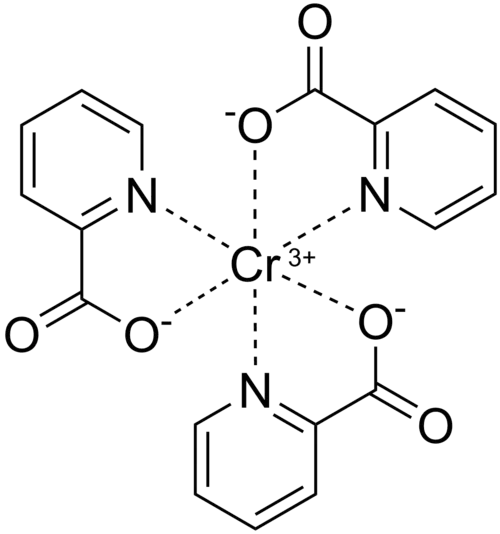
Chromium Picolinate
Role: Enhances insulin action and reduces carbohydrate cravings. Chromium is an essential trace mineral that plays a key role in carbohydrate and lipid metabolism. It helps insulin work more effectively, which can lead to more stable blood sugar levels and a noticeable reduction in cravings for refined carbohydrates, making it easier to adhere to a balanced diet.
Typical Dose: 200-1000mcg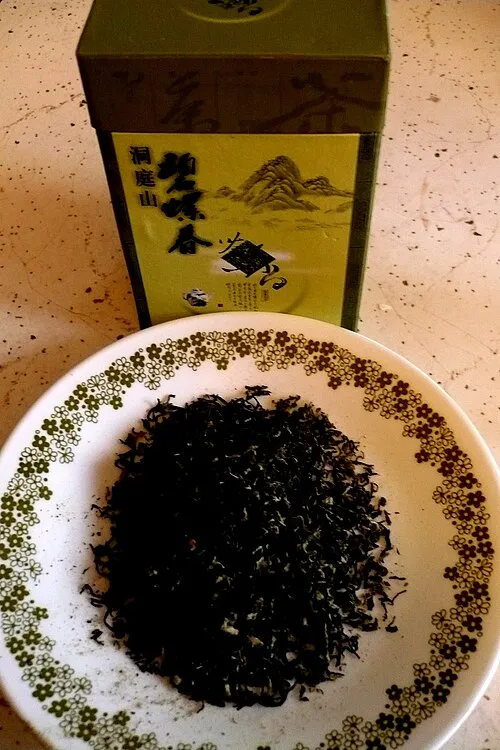
Green Tea Extract (EGCG)
Role: Boosts metabolism and provides antioxidant support. Rich in catechins, particularly EGCG, green tea extract is celebrated for its thermogenic properties, which can gently enhance fat burning and metabolic rate. It also offers powerful antioxidant benefits, protecting cells from oxidative stress and supporting overall cellular health.
Typical Dose: 250-500mg
Maca Root Powder
Role: Supports energy, mood balance, and hormonal health. An adaptogenic herb, Maca root helps the body adapt to stress, potentially reducing one of the key triggers for emotional eating. It is also known to support energy levels without jitters and contribute to hormonal balance, which can positively influence mood and overall well-being.
Typical Dose: 1000-3000mg
Turmeric (Curcumin)
Role: Provides powerful anti-inflammatory and antioxidant effects. Curcumin, the active compound in turmeric, is renowned for its anti-inflammatory properties, which can help combat the chronic low-grade inflammation associated with obesity and stress. By reducing inflammation, it supports overall metabolic health and can indirectly contribute to better mood regulation.
Typical Dose: 500-1500mg💡 Key Takeaway
Beyond emotional strategies, targeted nutritional support can significantly aid in breaking the cycle of emotional eating. Ingredients like collagen for satiety, berberine and chromium for blood sugar control, green tea for metabolism, and maca/turmeric for mood and inflammation, work synergistically to create a more balanced internal environment, reducing cravings and supporting healthy body composition.

Ready to Reclaim Control? Discover Gelatine Sculpt.
If you're tired of the emotional eating cycle dictating your health and body composition, it's time to explore a supportive solution. Gelatine Sculpt offers a blend of natural ingredients designed to complement your efforts in achieving sustainable weight management and a healthier body.
- ✓ Supports stable blood sugar and reduced cravings
- ✓ Enhances satiety for better portion control
- ✓ Boosts metabolism and promotes fat burning
- ✓ Aids in maintaining lean muscle mass for improved body composition
- ✓ Contributes to overall well-being and energy levels




What Our Customers Are Saying
"I used to struggle so much with stress eating after a long day. Gelatine Sculpt has been a game-changer! I feel more balanced, my cravings are under control, and I've finally started seeing positive changes in my body composition. It's truly helped me break that emotional cycle."
"For years, boredom led me straight to the snack cabinet. Since starting Gelatine Sculpt, I've noticed a significant reduction in those impulsive urges. I feel fuller, more energetic, and less reliant on food for comfort. My metabolism feels healthier, and my clothes fit better than ever before!"
"I was skeptical at first, but Gelatine Sculpt has truly helped me manage my emotional eating. The biggest difference is my stable energy levels and fewer sugar cravings. It's made mindful eating so much easier, and I'm finally on the path to a healthier weight and better muscle tone. Highly recommend it!"
Frequently Asked Questions
What exactly is emotional eating?
+Emotional eating is the practice of consuming food, often in excess, as a way to cope with or suppress negative emotions rather than in response to physical hunger. It's a common coping mechanism for feelings like stress, boredom, sadness, anger, or loneliness, leading to a temporary sense of comfort but often followed by guilt and further distress.
How does emotional eating contribute to weight gain and poor body composition?
+Emotional eating typically involves consuming calorie-dense, nutrient-poor comfort foods, which leads to an excess calorie intake beyond the body's needs. This surplus is stored as fat, contributing to weight gain and an unfavorable body composition (higher fat, lower muscle). Over time, this can lead to chronic inflammation, insulin resistance, and a higher risk of obesity and related health issues.
What are common triggers for emotional eating?
+Common triggers include chronic stress, anxiety, sadness, boredom, loneliness, anger, and even positive emotions like excitement or celebration. External cues such as seeing tempting food, social pressure, or specific times of day can also act as triggers, often linked to underlying emotional states.
What are effective strategies to break the cycle of emotional eating?
+Breaking the cycle involves several key strategies: developing self-awareness through journaling, practicing mindful eating to distinguish physical hunger from emotional hunger, implementing stress management techniques (like meditation or exercise), building a strong support system, finding non-food coping mechanisms, and ensuring adequate sleep and hydration. Professional guidance from a therapist or nutritionist can also be highly beneficial.
How can Gelatine Sculpt help with weight management and body composition?
+Gelatine Sculpt is formulated with natural ingredients like collagen, berberine, and chromium picolinate, which are designed to support a healthy metabolism, stabilize blood sugar levels, reduce cravings, and promote satiety. By addressing key physiological factors, it helps reduce the likelihood of impulsive, emotionally-driven eating and supports the maintenance of lean muscle mass for improved body composition.
Is Gelatine Sculpt safe to use and what are its main benefits?
+Gelatine Sculpt is made with 100% natural, GMP-certified ingredients in an FDA-registered facility in the USA. It is generally considered safe for most adults when used as directed. Its main benefits include supporting metabolic health, helping to regulate blood sugar, reducing cravings, promoting satiety, aiding in lean muscle maintenance, and contributing to overall better body composition. As with any supplement, consulting with a healthcare professional before use is recommended.
Related Articles