Are you carrying a hidden health risk without even knowing it?
Many people focus on the fat they can see – the kind that jiggles under the skin. However, there's a far more insidious type of fat that poses a significant threat to your health: visceral fat. This deep abdominal fat isn't just a cosmetic concern; it's a metabolically active tissue that can silently wreak havoc on your internal systems.
Understanding visceral fat is the first step towards safeguarding your future. Its presence is strongly linked to a cluster of conditions known as metabolic syndrome, a precursor to serious chronic diseases. Join us as we explore what you need to know about this silent enemy and discover actionable strategies to mitigate its risks.
What Exactly is Visceral Fat? The Hidden Threat Within
Beyond the fat you can pinch, there's a more dangerous kind of fat lurking deep inside your body. Understanding its nature is crucial for your long-term health.
When we talk about body fat, it's important to distinguish between different types. Most commonly, people think of subcutaneous fat, which is the soft, pinchable fat located just beneath the skin. While excessive subcutaneous fat can also pose health risks and contribute to obesity, it's generally considered less dangerous than its deeper counterpart: visceral fat.
Visceral fat, often referred to as "active fat," is stored within the abdominal cavity, surrounding crucial internal organs like the liver, pancreas, kidneys, and intestines. It's not just inert storage; rather, it's a metabolically active tissue that produces inflammatory molecules and hormones. These substances are released directly into the portal vein, which carries blood to the liver, impacting liver function and contributing to a cascade of negative health effects throughout the body. Imagine it as a small, internal factory constantly pumping out harmful chemicals.
The accumulation of visceral fat is a hallmark of an unhealthy lifestyle, often linked to diets high in refined sugars and unhealthy fats, lack of physical activity, chronic stress, and insufficient sleep. Its presence is often indicated by a larger waist circumference, even in individuals who might not appear overtly obese. This "apple-shaped" body type is a classic sign of higher visceral fat levels and a significant warning sign for potential health complications.
Unlike subcutaneous fat, which provides insulation and energy storage, visceral fat is particularly problematic because of its proximity to vital organs and its endocrine activity. It doesn't just sit there; it actively participates in disrupting normal bodily functions, making it a critical target for health interventions.
💡 Key Takeaway
Visceral fat is deep abdominal fat surrounding organs, unlike subcutaneous fat. It's metabolically active, releasing inflammatory compounds that significantly increase the risk of chronic diseases, making it a critical health concern.
The Dangerous Connection: Visceral Fat and Metabolic Syndrome
Visceral fat isn't just a standalone issue; it's a central player in the development of metabolic syndrome, a cluster of conditions that dramatically elevate your disease risk.
Metabolic syndrome isn't a single disease but rather a group of five risk factors that, when present together, significantly increase your chances of developing heart disease, stroke, and type 2 diabetes. These factors include: large waistline (due to visceral fat), high blood pressure, high blood sugar, high triglycerides, and low HDL ("good") cholesterol. Having at least three of these conditions qualifies you for a diagnosis of metabolic syndrome.
The link between visceral fat and metabolic syndrome is profound. Visceral fat cells are highly active, releasing a steady stream of free fatty acids and inflammatory cytokines (such as IL-6, TNF-alpha, and CRP) into the bloodstream. These substances interfere with the body's ability to respond to insulin, leading to insulin resistance. When your cells become resistant to insulin, your pancreas works harder to produce more insulin, eventually leading to elevated blood sugar levels and, over time, type 2 diabetes.
Moreover, the inflammatory compounds released by visceral fat contribute to systemic inflammation, which damages blood vessel walls, raising blood pressure and promoting atherosclerosis (hardening of the arteries). This creates a fertile ground for cardiovascular disease. The altered lipid metabolism caused by visceral fat also leads to the characteristic unhealthy cholesterol profile seen in metabolic syndrome: high triglycerides and low HDL cholesterol.
Essentially, visceral fat acts as a central hub for metabolic dysfunction. It doesn't just sit there passively; it actively drives the pathological processes that define metabolic syndrome, making it a critical target for anyone aiming to improve their long-term health and prevent chronic disease. Addressing visceral fat is not merely about weight loss; it's about fundamentally rebalancing your metabolic health.
Beyond the Belly: The Far-Reaching Health Risks of Visceral Fat
The dangers of visceral fat extend far beyond metabolic syndrome, impacting almost every major system in your body and increasing your susceptibility to a host of debilitating conditions.
Type 2 Diabetes
As discussed, visceral fat is a primary driver of insulin resistance. This constant struggle for your body to regulate blood sugar eventually exhausts the pancreas, leading to consistently high blood glucose levels characteristic of type 2 diabetes. This condition, if left unmanaged, can result in severe complications like nerve damage, kidney failure, and blindness.
Cardiovascular Disease
The inflammatory substances and altered lipid profiles associated with visceral fat contribute directly to the development of atherosclerosis. This hardening and narrowing of the arteries can lead to heart attacks, strokes, and peripheral artery disease. High blood pressure, another component of metabolic syndrome fueled by visceral fat, further strains the cardiovascular system.
Non-Alcoholic Fatty Liver Disease (NAFLD)
Visceral fat releases free fatty acids directly into the liver via the portal vein. This influx of fat can accumulate in liver cells, leading to NAFLD, a condition that can progress to non-alcoholic steatohepatitis (NASH), cirrhosis, and even liver failure if not addressed. NAFLD is becoming increasingly prevalent and is a serious public health concern.
Certain Cancers
Emerging research indicates a strong link between excess visceral fat and an increased risk of several cancers, including colorectal, breast (postmenopausal), pancreatic, and esophageal cancers. The chronic inflammation, altered hormone levels (like estrogen and insulin-like growth factors), and increased cell proliferation promoted by visceral fat create an environment conducive to tumor growth.
Sleep Apnea
Excess fat around the neck and abdomen can exacerbate sleep apnea, a condition where breathing repeatedly stops and starts during sleep. Visceral fat can contribute to inflammation that affects respiratory pathways and metabolic changes that disrupt sleep architecture, creating a dangerous cycle that further impacts metabolic health.
Dementia and Cognitive Decline
Chronic inflammation and metabolic dysfunction driven by visceral fat have been implicated in brain health. Studies suggest a link between higher visceral fat levels and an increased risk of cognitive decline, including Alzheimer's disease. The systemic effects of visceral fat can negatively impact brain structure and function over time.

Identifying Your Visceral Fat: More Than Just a Number on the Scale
Knowing if you have excessive visceral fat is crucial. While precise measurement requires medical imaging, simple methods can offer strong indicators.
Because visceral fat is hidden deep within the body, it's not as simple to measure as subcutaneous fat. However, there are several ways to estimate your visceral fat levels and understand your risk:
- Waist Circumference: This is the simplest and most accessible indicator. Measure your waist at the narrowest point, usually just above your belly button. For women, a waist circumference over 35 inches (88 cm) indicates a high risk. For men, it's over 40 inches (102 cm). This measurement is a strong proxy for visceral fat accumulation.
- Waist-to-Hip Ratio: Divide your waist measurement by your hip measurement (measured at the widest part of your hips). A ratio above 0.85 for women and 0.90 for men suggests increased visceral fat and associated health risks.
- Body Mass Index (BMI): While BMI (a measure of weight relative to height) can indicate overall obesity, it doesn't differentiate between fat types. A high BMI (over 25 for overweight, over 30 for obese) often correlates with higher visceral fat, but it's not a direct measure. Some individuals with a "normal" BMI can still carry dangerous levels of visceral fat, a phenomenon known as "TOFI" (Thin Outside, Fat Inside).
- Advanced Imaging: The most accurate way to measure visceral fat is through medical imaging techniques like CT scans or MRI. These methods provide precise images of your internal organs and fat distribution but are typically reserved for research or specific clinical situations due to cost and radiation exposure (for CT).
- Bioelectrical Impedance Analysis (BIA): Some advanced scales and devices use BIA to estimate body composition, including visceral fat levels. While more accessible than imaging, the accuracy can vary depending on the device and proper usage.
Regularly monitoring your waist circumference can be a powerful tool for tracking your progress in reducing visceral fat. Remember, even a small reduction in waist size can translate to significant health benefits. It’s a more telling indicator of internal health than just your total weight.
The Root Causes: Why Visceral Fat Accumulates
Poor Diet Choices
Diets high in refined sugars, processed foods, trans fats, and excessive calories are primary culprits. These foods promote inflammation, insulin resistance, and readily convert excess energy into visceral fat storage. Sugary drinks, in particular, are strongly linked to increased abdominal fat.
Sedentary Lifestyle
Lack of physical activity directly contributes to visceral fat accumulation. When you don't burn enough calories, and your muscles aren't regularly engaged, your body becomes more prone to storing fat, especially in the abdominal region. Exercise is crucial for both burning calories and improving insulin sensitivity.
Chronic Stress & Poor Sleep
High levels of stress elevate cortisol, a hormone that encourages fat storage, particularly visceral fat. Similarly, insufficient or poor-quality sleep disrupts hormones that regulate appetite and metabolism (ghrelin and leptin), leading to increased cravings and fat accumulation. Both factors create a perfect storm for visceral fat gain.
Hormonal Imbalances
Age-related hormonal changes, such as decreased estrogen in women during menopause or declining testosterone in men, can shift fat distribution towards the abdomen. Conditions like Polycystic Ovary Syndrome (PCOS) can also contribute to increased visceral fat due to insulin resistance and hormonal dysregulation.
Genetics
While lifestyle is paramount, genetics can play a role in predispositions to fat storage patterns. Some individuals may be more genetically inclined to store fat viscerally than others. However, genetics are rarely the sole determinant; lifestyle choices significantly influence whether this genetic predisposition is expressed.
Holistic Strategies to Combat Visceral Fat and Restore Metabolic Health
Tackling visceral fat requires a comprehensive approach that integrates sustainable lifestyle changes. There's no single magic bullet, but consistent effort across multiple areas yields powerful results.
The good news is that visceral fat is highly responsive to lifestyle interventions. Even modest changes can lead to significant reductions and improvements in metabolic markers. Here are the core strategies:
1. Prioritize a Nutrient-Dense Diet
Your diet is perhaps the most critical factor. Focus on whole, unprocessed foods. Emphasize:
- Lean Protein: Helps with satiety and muscle maintenance, crucial for metabolism. Examples: chicken, fish, beans, lentils, tofu.
- High Fiber Foods: Soluble fiber, found in oats, beans, apples, and flaxseed, can help reduce visceral fat by promoting satiety and regulating blood sugar. Insoluble fiber aids digestion.
- Healthy Fats: Monounsaturated and polyunsaturated fats (avocado, nuts, seeds, olive oil) are anti-inflammatory and support heart health. Limit saturated and avoid trans fats.
- Plenty of Vegetables and Fruits: Rich in vitamins, minerals, and antioxidants, these are essential for overall health and inflammation reduction.
Crucially, minimize refined sugars and processed carbohydrates. These are rapidly converted to glucose and, if not used, stored as fat, particularly visceral fat. Cutting back on sugary drinks, white bread, pastries, and highly processed snacks is a powerful first step. For more on natural weight management, read our article on natural weight management and relief remedies.
2. Embrace Regular Physical Activity
Exercise is paramount for burning calories, improving insulin sensitivity, and directly targeting visceral fat. Aim for a combination of:
- Aerobic Exercise: At least 150 minutes of moderate-intensity (brisk walking, jogging, cycling) or 75 minutes of vigorous-intensity activity per week. This helps burn overall body fat, including visceral fat.
- Strength Training: Incorporate muscle-building exercises 2-3 times a week. Increased muscle mass boosts your metabolic rate, helping you burn more calories even at rest.
Even short bursts of activity throughout the day can make a difference. Break up long periods of sitting with walks or stretches.
3. Manage Stress Effectively
Chronic stress elevates cortisol, which signals the body to store fat around the abdomen. Implement stress-reduction techniques into your daily routine:
- Mindfulness and Meditation: Even 10-15 minutes a day can significantly lower stress levels.
- Yoga or Tai Chi: Combine physical movement with deep breathing and relaxation.
- Hobbies and Social Connection: Engage in activities you enjoy and maintain strong social ties.
4. Prioritize Quality Sleep
Lack of sleep disrupts hormones that control appetite and metabolism. Aim for 7-9 hours of quality sleep per night. Establish a consistent sleep schedule, create a dark and cool sleep environment, and avoid screens before bed.
5. Stay Hydrated
Drinking plenty of water supports all metabolic functions, aids digestion, and can help you feel full, reducing overall calorie intake. Replace sugary drinks with water.
6. Consider Targeted Nutritional Support
While lifestyle changes are foundational, certain natural ingredients can provide additional support for metabolic health and body composition, especially when integrated into a healthy regimen. For instance, ingredients like collagen peptides have been linked to satiety and body composition improvements. You can learn more about this in our article: Collagen Peptides for Weight Management and Skin Health. It's important to remember that supplements are meant to complement, not replace, a healthy diet and active lifestyle. They can act as powerful allies in your journey towards better health.
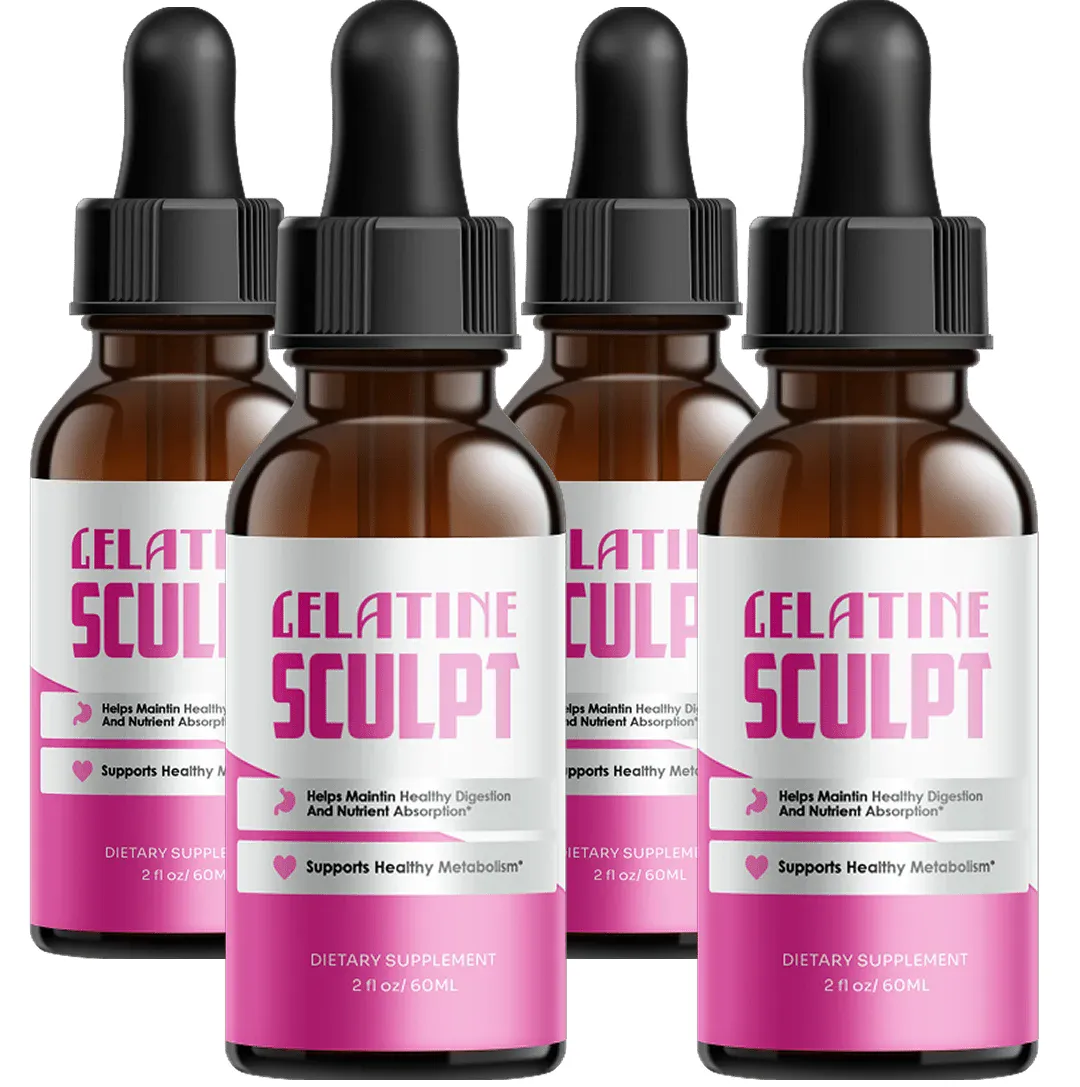
Gelatine Sculpt: Supporting Your Journey Towards Better Metabolic Health
Gelatine Sculpt is a natural supplement designed to complement your efforts in managing body composition and supporting metabolic wellness. It features a blend of ingredients known for their roles in metabolism, inflammation, and energy.

Hydrolyzed Collagen Peptides
Role: Supports gut health, which is vital for metabolism. Collagen can also promote satiety, helping to reduce calorie intake and support lean muscle mass, contributing to improved body composition. It's a key protein for connective tissues throughout the body.
Typical Dose: 5-15g
Berberine HCl
Role: A powerful plant alkaloid renowned for its ability to activate AMPK, an enzyme that regulates metabolism. Berberine helps improve insulin sensitivity, reduce blood sugar levels, and may assist in lowering cholesterol and triglyceride levels, directly addressing aspects of metabolic syndrome.
Typical Dose: 500-1500mg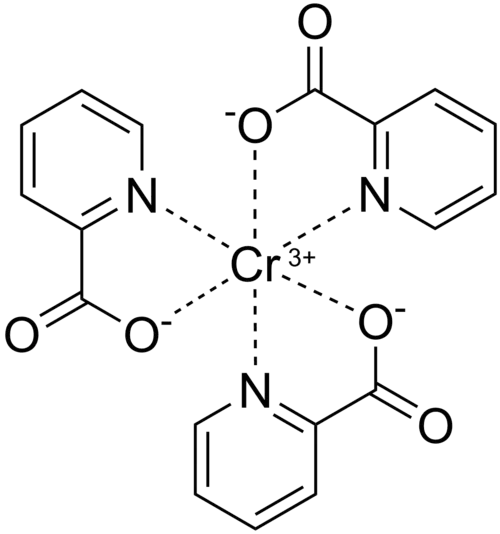
Chromium Picolinate
Role: An essential trace mineral that enhances the action of insulin, helping your body metabolize carbohydrates, fats, and proteins more effectively. It can aid in stabilizing blood sugar levels and may reduce cravings, contributing to better weight management.
Typical Dose: 200-1000mcg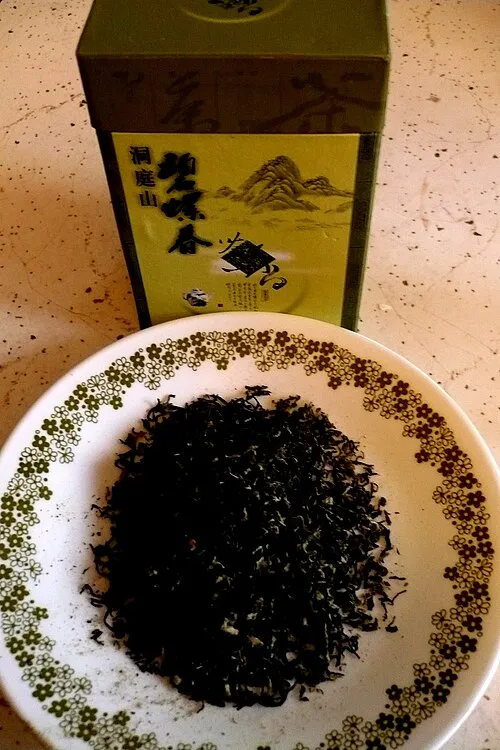
Green Tea Extract
Role: Rich in catechins, particularly EGCG, which are potent antioxidants. Green tea extract is known to boost metabolism and enhance fat oxidation, supporting energy expenditure and potentially aiding in the reduction of body fat, including visceral fat. It also offers anti-inflammatory benefits.
Typical Dose: 250-500mg
Maca Root Powder
Role: An adaptogen that helps the body adapt to stress and supports hormonal balance. While not a direct fat burner, balanced hormones and reduced stress can indirectly contribute to better metabolic function and help prevent stress-induced visceral fat accumulation, enhancing energy and mood.
Typical Dose: 1-3g
Turmeric (Curcumin)
Role: Contains curcumin, a powerful anti-inflammatory compound. Chronic inflammation is a key factor in metabolic dysfunction and visceral fat accumulation. Turmeric can help reduce systemic inflammation, improving insulin sensitivity and supporting overall metabolic health.
Typical Dose: 500-1500mgBy synergistically combining these ingredients, Gelatine Sculpt aims to provide comprehensive support for individuals looking to improve their body composition and metabolic markers. This approach aligns with the understanding that a multifaceted strategy is most effective in addressing complex health challenges like visceral fat and metabolic syndrome. For a detailed comparison, you may also be interested in Gelatine Sculpt vs. Other Weight Loss Drops.
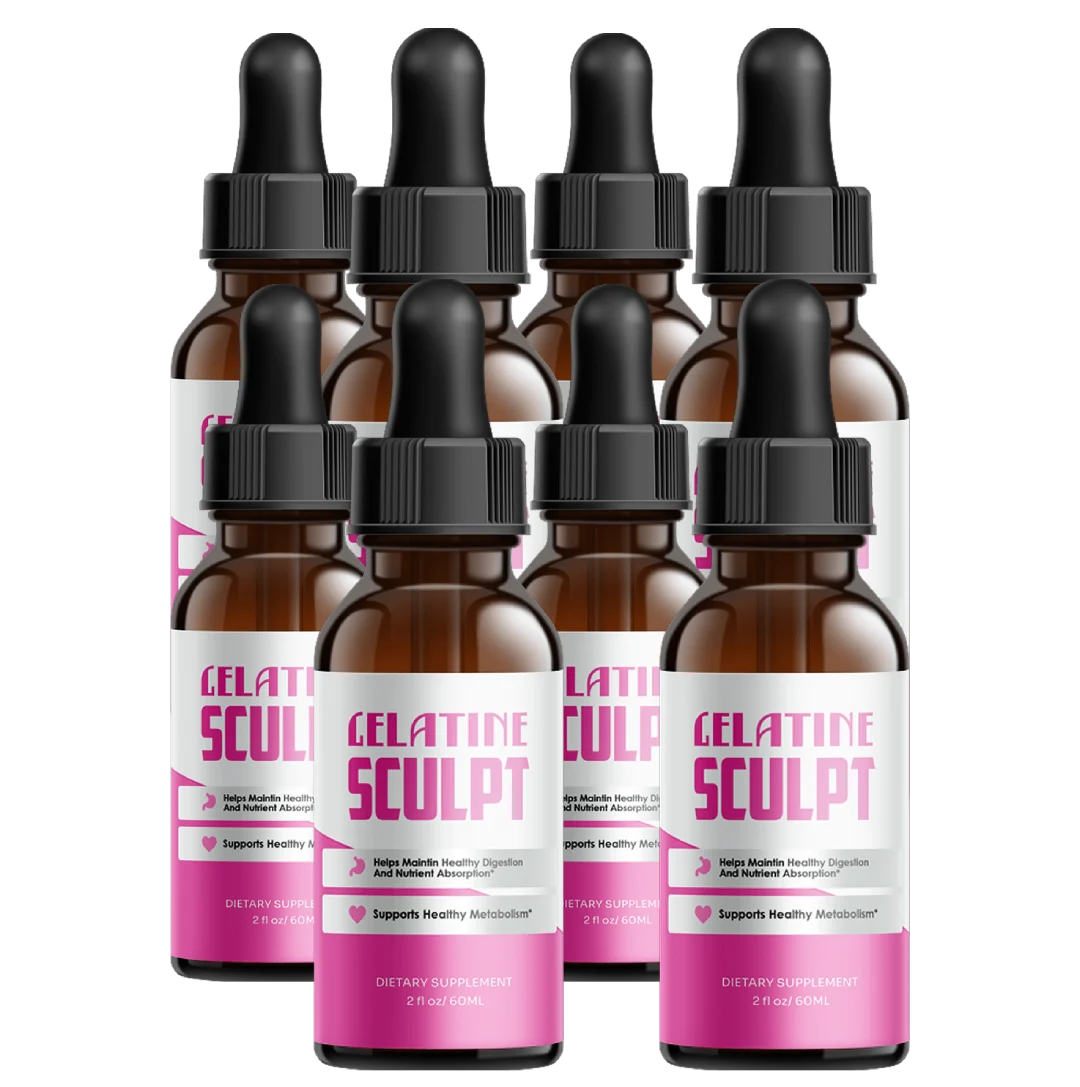
Take the First Step Towards a Healthier Metabolism Today!
Don't let visceral fat and metabolic syndrome silently undermine your health. Gelatine Sculpt offers a scientifically formulated blend of natural ingredients designed to support your body's metabolic functions, help manage blood sugar, and reduce inflammation.
- ✓ Supports Healthy Blood Sugar Levels
- ✓ Aids in Fat Metabolism and Energy
- ✓ Promotes Reduced Inflammation
- ✓ Enhances Overall Body Composition
- ✓ Made with 100% Natural Ingredients




What Our Customers Are Saying About Their Health Journey
"I was struggling with my energy levels and a stubborn belly fat that just wouldn't budge. After incorporating Gelatine Sculpt into my routine, combined with diet and exercise, I've noticed a real difference in my waistline and overall vitality. It's truly helped me feel more in control."
"My doctor warned me about my metabolic markers, and I knew I needed to make changes. Gelatine Sculpt was recommended by a friend, and I'm so glad I tried it. My latest check-up showed significant improvements, and I feel much lighter and healthier. This supplement has been a fantastic support."
"I've tried many supplements before, but Gelatine Sculpt stands out. The natural ingredients gave me confidence, and the results speak for themselves. My digestion feels better, I have more sustained energy, and I'm finally seeing progress in reducing that stubborn abdominal fat. Highly recommend!"
Frequently Asked Questions
What exactly is visceral fat, and why is it dangerous?
+Visceral fat is a type of body fat stored deep within the abdominal cavity, surrounding vital organs like the liver, pancreas, and intestines. Unlike subcutaneous fat (which lies just under the skin), visceral fat is metabolically active, releasing inflammatory compounds and hormones that significantly increase the risk of chronic diseases such as type 2 diabetes, heart disease, and certain cancers.
How does visceral fat contribute to metabolic syndrome?
+Visceral fat is a key driver of metabolic syndrome. It actively releases free fatty acids and inflammatory cytokines into the bloodstream, leading to insulin resistance, elevated blood sugar, high blood pressure, and unhealthy cholesterol levels – the primary components of metabolic syndrome. This creates a vicious cycle that exacerbates health risks.
What are the most effective ways to reduce visceral fat?
+Effective strategies include a balanced diet rich in whole foods, lean proteins, and fiber, while limiting refined sugars and unhealthy fats. Regular physical activity combining aerobic exercise and strength training is crucial. Additionally, managing stress, prioritizing adequate sleep, and staying hydrated play significant roles in reducing visceral fat and improving overall metabolic health.
Can supplements like Gelatine Sculpt genuinely help with visceral fat?
+While no supplement is a magic bullet, certain natural ingredients found in products like Gelatine Sculpt can support a healthy metabolism and body composition when combined with diet and exercise. Ingredients such as Berberine, Chromium Picolinate, and Green Tea Extract are known for their potential roles in supporting blood sugar regulation, fat metabolism, and reducing inflammation, which are all beneficial for managing visceral fat.
How long does it take to see results from lifestyle changes targeting visceral fat?
+The timeline for seeing results can vary greatly depending on individual factors, consistency of effort, and starting point. However, with consistent adherence to a healthy diet, regular exercise, and stress management, many individuals can begin to see noticeable improvements in waist circumference and overall well-being within a few weeks to a few months. Long-term commitment yields the best and most sustainable results.
Is Gelatine Sculpt suitable for everyone looking to improve their body composition?
+Gelatine Sculpt is formulated with natural ingredients generally recognized as safe for most adults. However, as with any supplement, it's always recommended to consult with a healthcare professional before starting, especially if you have pre-existing medical conditions, are pregnant or nursing, or are taking other medications. This ensures it's the right choice for your individual health needs.
Related Articles